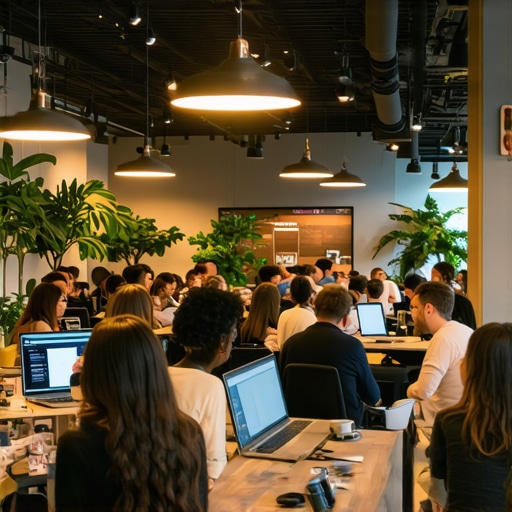
Coworking Spaces for Startups: Boost Productivity & Collaboration

It was a Monday morning, and I sat in a cramped conference room, surrounded by noisy coffee machines and a constant stream of interruptions. Despite the state-of-the-art equipment, our team struggled to stay focused, collaborate effectively, and push our project forward. That was the lightbulb moment for me—realizing that the environment we work in has a profound impact on our startup’s success. If you’ve ever felt that your workspace is more of a hindrance than a help, you’re not alone. Today, we’re diving into how choosing the right coworking space can revolutionize your startup’s productivity and collaboration.

Why Your Workspace Could Make or Break Your Startup’s Growth

In the early days of a startup, every minute counts. Your environment isn’t just about a desk and a chair; it’s about creating a fertile ground for innovation, teamwork, and decisive action. But here’s the catch—many founders underestimate the power of the right coworking space. A study published by Deskmag highlights that entrepreneurs working in coworking spaces report a 15% higher level of collaboration than those working in traditional office settings. That’s not just a statistic; it’s a game-changer.

When I first ventured into coworking spaces, I made a critical mistake—picking a place that was convenient but lacked the vibe and facilities to energize my team. It wasn’t until I experienced a well-designed coworking environment, full of creative meeting rooms and collaborative hubs, that I saw real results. This change didn’t just boost morale; it accelerated our project timelines and opened doors to partnerships.

If you’re still debating whether a coworking space is worth the investment, ask yourself: Are your current work environments fostering genuine collaboration and innovation? Or are they just a place to get your laptop out? If you’ve faced the frustration of unproductive meetings or limited networking opportunities in traditional offices, it’s time to reconsider. The right space can turn those morning frustrations into a distant memory.

To learn more about making the most of your coworking environment, check out [how to maximize productivity in your startup’s conference rooms](https://coworkingcentral.com/how-to-maximize-productivity-in-your-startups-conference-rooms-by-0245-pm) and discover strategies that turn ordinary meeting rooms into innovation hubs.

In the following sections, we’ll explore practical steps to select a coworking space that propels your startup toward success, along with insider tips to optimize every inch of your new environment. Ready to elevate your startup journey? Let’s get started.

Identify Your Startup’s Core Needs

Begin by pinpointing what your team requires from a coworking space. Is it high-speed internet, private meeting rooms, or collaborative zones? Think of it like choosing a toolset—each feature should align with your workflow. I once visited a space that boasted trendy decor but lacked reliable Wi-Fi, which hampered our weekly sprints. Ensure essentials are met before anything else.

Assess the Space’s Flexibility and Layout

Consider how adaptable the environment is for your team’s growth. A flexible layout, much like a modular furniture system, allows you to reconfigure as your needs evolve. I recall renting a conference room that was initially spacious for our team but shrank as we expanded. Choosing a space with movable partitions or multi-use rooms lets you scale seamlessly.

Evaluate Acoustic and Privacy Features

Noise levels can make or break focus, akin to trying to think in a crowded marketplace. Prioritize spaces with soundproofing or designated quiet zones. When I needed a confidential client call, I used a soundproof booth that turned a noisy coworking area into a private sanctuary—proof that acoustics matter. For sensitive discussions, dedicated private rooms are non-negotiable.

Test the Technology Infrastructure

Reliable tech is the backbone of a productive startup environment. Check for high-speed Wi-Fi, ample power outlets, and presentation equipment. I once booked a room with promising amenities, only to find the overhead projector non-functional minutes before a pitch. Always run a quick tech check to avoid such pitfalls—visit [how to maximize productivity in your startup’s conference rooms](https://coworkingcentral.com/how-to-maximize-productivity-in-your-startups-conference-rooms-by-0245-pm) for tips.

Consider Location and Accessibility

The right location can save your team hours each week. Think of it as choosing a hub that connects all your routes efficiently. I once moved our team to a coworking space near transit to reduce commute times, which increased overall productivity. Opt for spaces with easy access for clients and team members alike; secure parking or public transport options are pluses.

Explore Community and Networking Opportunities

Being part of a vibrant community fuels innovation—like plugging into a power grid of ideas. Some coworking spaces host events, workshops, and mixers. I participated in a startup meetup hosted by my space, which led to a valuable partnership. Investigate what networking perks are available and how they can accelerate your growth.

Prototype and Iterate

Test a space before committing long-term. Job shadow your team during a day there, much like trying on clothes before buying. I once booked a short-term desk trial; the initial setup was great, but the environment was too noisy for detailed work. Use trial periods to assess comfort, productivity, and fit—then refine your choice accordingly.

Leverage Optimized Conference Room Strategies

Once settled, transform your conference rooms into hubs of innovation. Use strategies from [effective conference room strategies](https://coworkingcentral.com/best-conference-rooms-coworking-spaces-for-startup-growth-in-2024) to ensure every meeting drives results. Incorporate technology, plan agendas, and design layouts that promote interaction. Remember, a well-utilized conference space can amplify your startup’s success.

Many entrepreneurs assume that all coworking spaces are created equal, but this is a dangerous oversimplification. A common myth is that modern amenities alone guarantee productivity. In reality, the **nuances matter more than flashy features**. For example, a space with elegant design but poor acoustics can hinder focus, leading startups to overlook something crucial—soundproofing. As research from the Journal of Environmental Psychology shows, noise disturbances can decrease concentration by up to 40%, which directly impacts innovative thinking and decision-making.

What advanced factors do startups often ignore when selecting conference rooms?

Often, startups focus solely on capacity or tech specs, but overlook **the importance of room layout and flexibility**. A room that’s too rigid can stifle spontaneous collaboration, while an adaptable space encourages dynamic interactions. For instance, a movable wall system allows your team to create breakout zones on the fly, fostering creativity during brainstorming sessions. This advantage is supported by case studies published in the Harvard Business Review, indicating that flexible environments directly correlate with increased innovation outputs. Additionally, many startups underestimate the significance of **embodied energy and sustainability** in workspace choices. An eco-friendly space not only aligns with corporate social responsibility but also boosts employee morale and loyalty. According to a report by McKinsey, sustainable workspaces can reduce operational costs by 15%, while also positioning the brand as forward-thinking in the eyes of clients and prospects.

In my experience, a frequent mistake is believing that locations near major transit hubs are necessarily better. While accessibility is vital, overlooking the quality of the local environment can be detrimental. Polluted air, noisy streets, or a lack of nearby amenities can counteract the benefits of a prime location. Striking a balance between accessibility and environment is key—an aspect often missed by startup founders. If your goal is to leverage **conference rooms as innovation hubs**, then the strategic design and acoustics, flexibility, sustainability, and location all play intertwined roles. To truly elevate your startup’s potential, move beyond the surface-level features and consider these hidden nuances. Curious how to turn your conference room into a powerhouse? Check out [effective conference room strategies](https://coworkingcentral.com/effective-conference-room-strategies-to-accelerate-your-startup-in-2024) for actionable insights. Remember, your environment can either be your greatest asset or your biggest obstacle. Have you ever fallen into this trap? Let me know in the comments.Maintaining an efficient coworking environment is crucial for sustained startup growth. Essential tools like high-quality conferencing equipment—such as Bose Noise Cancelling Headphones and Logitech Brio 4K webcams—ensure clear communication during meetings and presentations, even in bustling spaces. I personally rely on them daily to eliminate background noise and capture crisp video, which significantly enhances remote collaboration. Moreover, integrated project management software like Asana or ClickUp helps me track tasks, deadlines, and team responsibilities seamlessly, preventing overlooked details that can stall progress. Regular checks and updates to these tools keep the workflow smooth and reliable.

Predicting the future, I believe automation and AI will increasingly play a role in workspace management. Smart scheduling assistants or AI-driven maintenance alerts can proactively identify issues before they disrupt productivity, making long-term space upkeep more manageable.

### How do I maintain this level of efficiency over time?

Establishing routines is key. Schedule weekly tech audits to ensure all equipment functions correctly and software is up-to-date. Also, build relationships with your space’s support team—many coworking providers, such as Coworking Central, offer dedicated assistance to troubleshoot and optimize your environment. For instance, they can recommend hardware upgrades or new tools tailored to your specific needs.

Investing in reliable tools and establishing consistent maintenance practices minimizes downtime and keeps your startup environment primed for success. For advanced strategies, I recommend exploring [effective conference room strategies](https://coworkingcentral.com/effective-conference-room-strategies-to-accelerate-your-startup-in-2024) that optimize tech and space utilization. Don’t wait—try implementing a bi-weekly tech check and see how it transforms your productivity. Need tailored advice? Reach out through [Coworking Central’s contact page](https://coworkingcentral.com/contact-us) and start elevating your workspace today.

The Hardest Lesson I Learned About coworking,conference room,startup,meeting rooms

One of the most profound insights I gained was realizing that not all coworking spaces are created equal, and many founders fall into the trap of valuing aesthetics over functionality. A beautifully designed environment may attract, but if it hampers productivity due to poor acoustics or inflexible layouts, it’s a misstep. The lightbulb moment was understanding that adaptability and sound management often matter more than surface-level features.

3 Myths About coworking,conference room,startup,meeting rooms That Held Me Back

Myth one: Location alone determines success. I learned that proximity is important, but the quality of the space, including amenities and community, truly fuels growth. Myth two: Fancy tech equals productivity. Reliable, well-integrated technology is better than just the latest gadgets. Myth three: A bigger space is always better. Sometimes, smaller, thoughtfully designed rooms foster better collaboration and focus.

What Experts Won’t Tell You About coworking,conference room,startup,meeting rooms

Few emphasize the importance of room flexibility and sustainability. I discovered that environments supporting dynamic reconfiguration and eco-conscious practices not only reduce costs but also boost morale and innovation. Incorporating these elements, often overlooked, can be the game-changer for a startup aiming for sustainable growth.

My Essential Toolkit for coworking,conference room,startup,meeting rooms

Reliability in tech tools is my top priority. I trust high-quality conferencing equipment like Bose Noise Cancelling Headphones and Logitech Brio webcams because they minimize disruptions. Project management platforms such as Asana streamline workflows, keeping everyone aligned. For strategic reading, I recommend books like The Lean Startup and Effective Conference Room Strategies—they’ve enriched my approach profoundly.

Your Turn to Try

Remember, choosing the right coworking and conference environments isn’t just about convenience; it’s about strategic empowerment. The environment you create can serve as your strongest ally or your silent obstacle. If you’re ready tolevel up your startup’s workspace, I encourage you to assess your current environment critically and implement the nuanced changes discussed here. Have you ever faced challenges with your coworking space that held back your startup’s growth? Share your experiences below — your story might just inspire someone else to make a crucial change.

Leave a Reply

Your email address will not be published. Required fields are marked *