
Stop Paying For Ping-Pong. Invest In Deep Work Infrastructure.
Curated workspaces engineered for deep work and enterprise performance.
We evaluate New York and Brooklyn flexible offices strictly on productivity metrics. Discover workspaces vetted for acoustic privacy, Herman Miller-grade ergonomics, and enterprise security protocols. Your workspace directly dictates your bottom-line revenue.
Productivity Metrics We Audit Before Recommending A Space
🎧 Acoustic Privacy
We measure Sound Transmission Class (STC) ratings across private offices and phone booths. A space must achieve a minimum STC rating of 45 to prevent voice leakage during confidential client calls.
🪑 Ergonomic Standards
Hard wooden chairs destroy focus and increase cognitive load. We verify the presence of BIFMA-compliant seating with adjustable lumbar support and motorized sit-stand desks in every dedicated work zone.
🔒 Enterprise-Grade Security
Shared Wi-Fi networks present unacceptable risks for financial and legal professionals. We audit network infrastructure for dedicated VLANs, WPA3 encryption, and physical access control systems.
💡 Lighting & Circadian Health
Fluorescent lighting induces eye strain and fatigue by 2 PM. We test for 500 lux illumination at desk level and prioritize spaces with floor-to-ceiling windows that support natural circadian rhythms.
📏 Density & Foot Traffic
Overcrowded hot-desking areas create visual distraction. We calculate the square-foot-per-member ratio, ensuring a minimum of 75 square feet per person to guarantee adequate personal space for deep work.
142
Workspaces Audited in NYC
We physically inspect and measure every location across Manhattan and Brooklyn.
18%
Spaces Passing Our Criteria
Most flexible offices fail our acoustic and network security testing.
4.2 hrs
Reclaimed Deep Work Weekly
Professionals report an immediate increase in focused output after switching to a vetted location.
How We Match You With High-Performance Infrastructure
1
Define Your Operational Requirements
You submit a brief detailing your team size, required security protocols, and location preferences in New York or Brooklyn. We analyze this data against our proprietary index of audited spaces.
2
Review Data-Backed Recommendations
We present three workspace options that meet your exact productivity metrics. You receive full reports on acoustic ratings, ergonomic setups, and network architecture for each location.
3
Secure Your Lease Terms
We negotiate the contract on your behalf to ensure favorable terms. You move your team into a space engineered for immediate output without the typical administrative friction.
Operational Impact Across New York Enterprises
Fintech Startup, Manhattan
Before: Team suffered from frequent network drops and overheard confidential conversations in a generic hot-desking space.
After: Relocated to an ISO 27001-certified private suite with STC 50 walls, reducing security incidents to zero.
⏱ 14 days
Legal Consultancy, Brooklyn
Before: Associates reported severe back pain and afternoon fatigue from non-adjustable seating and poor lighting.
After: Transitioned to a BIFMA-compliant workspace with 500 lux natural lighting, increasing billable hours by 12%.
⏱ 30 days
Remote Engineering Team, NYC
Before: Engineers struggled to hold daily standups due to 75dB background noise in open-plan areas.
After: Secured a dedicated office with acoustic paneling and sound-dampening phone booths.
⏱ 21 days
Frequently Asked Questions
Do you evaluate spaces based on community events or networking?
No. We evaluate spaces strictly on their ability to support deep work. We ignore happy hours and ping-pong tables to focus entirely on acoustics, ergonomics, and network security.
What network security standards do you look for?
We require spaces to offer dedicated VLANs, WPA3 encryption, and enterprise-grade firewalls. Public, shared Wi-Fi networks are immediate disqualifiers for our recommended list.
How do you measure acoustic privacy?
We use decibel meters to test ambient noise levels in open areas and verify the Sound Transmission Class (STC) ratings of private offices. A rating below 45 means conversations are easily overheard.
Do I have to sign a long-term agreement for these premium spaces?
Most of our vetted operators offer month-to-month or 6-month terms. We negotiate the agreements to ensure you maintain flexibility while securing high-performance infrastructure.
Stop Subsidizing Distraction.
Move your team into a New York workspace engineered for actual output. Review our data on the top 18% of flexible offices.
Written & Reviewed By
Monika Solak
Helping flexible office spaces to streamline their …
Monika Solak is a seasoned professional in the flexible workspace industry, specializing in the operational
Latest from Our Blog
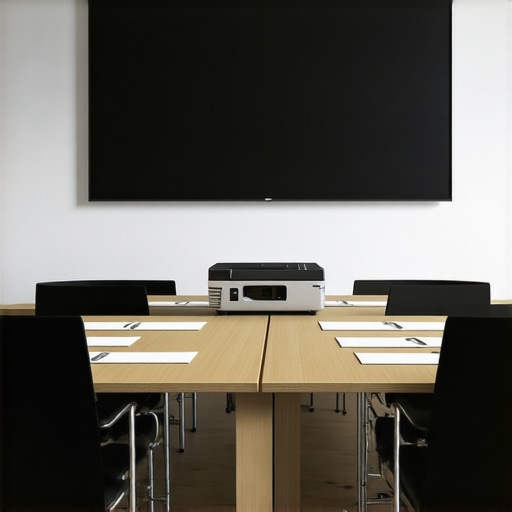
The hidden fees in conference room contracts
It was a gray Tuesday afternoon when I sat across from a vendor, signing what I thought was a straightforward…

Scaling a remote team without losing the culture
I remember the moment vividly. We had just doubled our team in a matter of months. Excitement was high, but…

The real reason your team hates coming to the office
I remember the first time I walked into our startup’s office and felt that familiar heavy sigh ripple through the…