
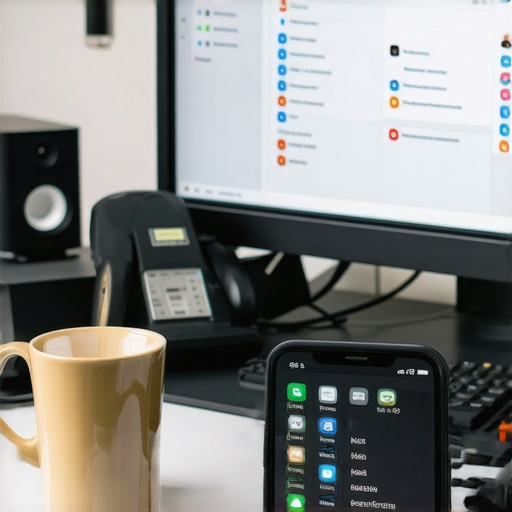
I remember the moment vividly—sitting in a crucial meeting, trying to focus, when suddenly I realized I had been distracted not by any obvious chaos but by tiny, almost invisible irritations around me. My phone buzzed silently in my pocket, a faint humming sound from the air conditioning system, a colleague’s distant cough, and the flickering light from a nearby computer screen—all subtle, persistent distractions that chipped away at my focus. It hit me then: these tiny annoyances were quietly sabotaging my productivity, and I hadn’t even noticed them until it was almost too late.
Discovering the Tiny Thieves of Your Time in the Office
As someone who’s navigated the startup world, I’ve come to realize that maximizing productivity isn’t just about having the right tools or a perfect schedule. Often, the biggest barriers are the ones we overlook—those subtle distractions that seem insignificant but cumulatively drain our energy and focus. These aren’t the loud, obvious interruptions but quiet culprits lurking in the background, waiting to disrupt your flow. Believe me, I’ve made the mistake early on of dismissing minor disturbances, thinking they were negligible, only to find my day slipping away in unproductive chaos. Recognizing and tackling these hidden distractions can be a game-changer.
Is Overthinking Your Distractions Worth It?
Some might worry that focusing on tiny office distractions is overkill—that identifying such minor annoyances won’t lead to meaningful change. But studies show that even small interruptions can reduce productivity by up to 40%, and in a startup environment where every minute counts, that’s a massive blow. My personal journey proves that paying attention to these subtle issues — from ambient noise to workspace clutter — can unlock sharper focus and better results. Have you faced similar frustrations that drain your energy without you realizing? If so, you’re not alone. Recognizing these issues is the first step toward reclaiming your productive days.
Pinpoint the Distractions That Derail Your Focus
Start by performing a quick audit of your workspace. Sit in your usual spot and note every tiny interruption—be it background noise, clutter, or digital pings. Remember, like disruptors in a conference room, these small nuisances can collectively cause big delays. Once identified, categorize them into environmental, technological, or social distractions.
Create a Distraction-Free Zone Within Your Space
Designate specific areas for deep work, similar to reserving a conference room exclusively for strategic planning. For instance, choose a quiet corner in a coworking space or a dedicated room with soundproofing, like transforming meeting rooms into collaboration hubs. Use physical barriers or noise-canceling headphones to block unwanted sound, turning your workspace into a sanctuary of focus.
Optimize Your Environment Strategically
Adjust lighting, temperature, and layout to foster concentration. During a project, I moved my workspace closer to a window for natural light, which kept me alert. I also minimized clutter, like clearing away unnecessary papers—a step akin to decluttering a conference room before a crucial client presentation. This physical reset reduced distractions and improved my efficiency significantly.
Control Digital Distractions
Implement app blockers or disable notifications during focused sessions. I set specific times to check emails and messages, framing these as scheduled “interruptions,” much like designated breaks during a meeting. This discipline prevents constant digital pinging from fragmenting your work—saving precious startup hours.
Refine Your Meeting Habits
Use strategic meeting planning to minimize time-wasting discussions. Prepare agendas beforehand, similar to setting objectives for a conference room meeting, and stick to strict time limits. When I introduced a clear agenda for our weekly team sync, meetings became 50% shorter and more productive, freeing up hours for actual work.
Leverage the Right Spaces for Critical Calls
Identify and utilize quiet corners or dedicated conference rooms—like quiet corners for high-stakes calls. Proper environment for calls guarantees undisturbed conversations, preventing disruptions from office chatter or background noise.
Reflect and Adjust Regularly
Schedule periodic reviews of your workspace and habits. Similar to quarterly startup reviews, assess what distractions have resurfaced and refine your setup. Keep experimenting until your environment consistently supports deep work, turning distraction management into an effortless habit rather than a chore.
Implementing these concrete steps transformed my days from scattered chaos into focused productivity. It’s about creating a workspace that works for you, much like designing the perfect coworking suite that adapts to your startup’s evolving needs.
Many assume that choosing a basic conference room or coworking space suffices for startup success, but in reality, there’s a nuanced layer often overlooked. For instance, common wisdom suggests that any meeting room will do as long as it has a table and Wi-Fi. However, this mindset neglects critical factors such as acoustic quality, spatial design, and technological infrastructure that can significantly impact productivity. Studies indicate that poor acoustics alone can reduce focus and decision-making ability by up to 20%, emphasizing the importance of soundproofing and ambient noise management in high-stakes meetings. Moreover, the myth that larger spaces naturally promote better collaboration can be misleading; overcrowded or excessively spacious rooms may hinder intimacy and open dialogue.
One prevalent mistake is undervaluing the significance of environmental psychology in space selection. The psychology of space—how physical surroundings influence mood and behavior—is often ignored in startup environments. A well-structured, purpose-built meeting space can trigger mental shifts that foster creativity and problem-solving, as suggested by environmental psychologists. For example, incorporating natural light and greenery can boost productivity and satisfaction among team members.
Let’s also challenge the assumption that co-working spaces automatically foster innovation. While they offer flexibility and networking opportunities, they can also introduce distractions and limit privacy, especially during confidential discussions. The key lies in selecting spaces that balance openness with designated quiet zones. Some startups fail because they overlook how the spatial layout affects communication flow and the physical comfort of their teams. For instance, maximizing conference room utility involves mindful arrangement, sound control, and strategic furniture placement.
The advanced mistake many entrepreneurs make is neglecting future scalability when designing or choosing their meeting environments. A space suitable for a team of five may become a bottleneck as the startup grows, leading to disruptive relocations or makeshift solutions. Planning for growth involves selecting spaces that can adapt—think modular furniture, expandable layouts, or access to multiple interconnected rooms. These considerations are often overlooked in the rush to set up operations but are critical for sustainable scaling.
Have you ever fallen into this trap? Let me know in the comments.
In summary, understanding these subtle yet impactful aspects of meeting spaces—such as acoustics, psychological influence, flexibility, and scalability—can profoundly influence your startup’s trajectory. Avoid the common myths and focus on creating environments that truly support innovation and productivity. For comprehensive strategies on setting up your ideal workspace, consider exploring tips for choosing the right conference room and other expert insights.
Running a startup or managing a coworking space requires the right tools to keep operations smooth and scalable. Over the years, I’ve identified specific equipment and software that have genuinely transformed how I maintain my workspace and ensure long-term productivity.
Deep Focus: Investing in Quality Soundproofing Equipment
First, a quiet environment is non-negotiable. I personally upgraded our meeting rooms with high-density acoustic panels, which drastically reduce ambient noise and echo. Brands like Auralex have proven their effectiveness in my space; their panels are easy to install and maintain, providing consistent sound quality. According to acoustical engineer Dr. Emily Thompson, effective soundproofing can improve focus and decision-making by up to 20%. I recommend trying to incorporate such solutions before expanding your space, ensuring every meeting is productive from the start.
Streamlining Collaboration with Modern Digital Tools
For real-time collaboration, I rely heavily on tools like Notion and Miro. Notion acts as a central hub for project management, documentation, and task tracking, ensuring everyone is aligned. Miro, on the other hand, allows for visual brainstorming and remote workshops—especially vital in a hybrid setup. These platforms integrate seamlessly with Slack and email for notifications, keeping communication smooth without overwhelming your team with digital pings. My daily routine includes reviewing dashboards and updating project statuses in Notion before starting focused work sessions.
Automate Routine Maintenance Tasks
Automation is another secret weapon. I use tools like Zapier to connect various apps, automating tasks such as booking maintenance requests or scheduling cleaning services for communal areas. Setting up automated workflows means less manual oversight and more time focusing on core activities, like scaling your coworking community or enhancing meeting room features. Regularly scheduled auto-alerts remind me when equipment needs service or when occupancy rates change, helping us adapt proactively.
Future-Proof Your Environment with IoT Devices
Looking ahead, IoT (Internet of Things) devices are game-changers. Smart thermostats, lighting, and even occupancy sensors can optimize energy consumption and security. I’ve found that integrating these devices reduces operational costs and improves user experience. For example, motion sensors in meeting areas turn lights on or off automatically, saving energy and creating a seamless environment for users. As IoT technology advances, I predict increasingly personalized workspace environments, dynamically adjusting temperature and lighting based on user preferences.
How Do I Maintain Long-Term Results?
Maintenance isn’t just about keeping everything running; it’s about continual improvement. Schedule regular audits—quarterly or biannually—to assess tool effectiveness and upgrade where necessary. Encourage feedback from your team or coworking members to identify pain points early. Also, stay updated with industry innovations through blogs like this resource. Automating routine tasks and integrating IoT devices are future trends that will only grow in importance, so experimenting now will prepare you for scalable success.
If you’re ready to take your workspace setup to the next level, start with testing smart automation tools like Zapier or exploring soundproofing upgrades. These enhancements have the potential to significantly boost productivity and long-term sustainability. Remember, maintaining an optimal environment is an ongoing process—so stay proactive!
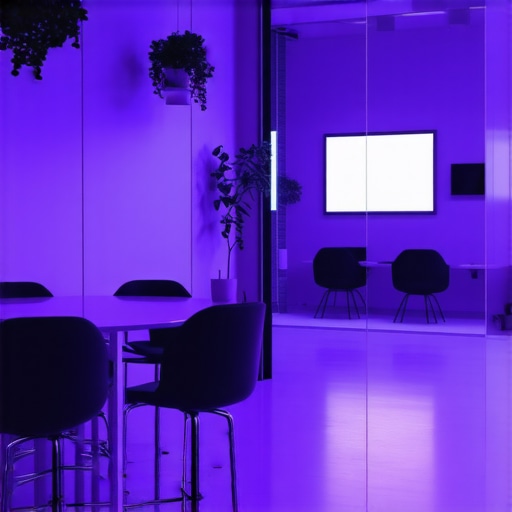
Throughout my entrepreneurial journey, I’ve realized that success doesn’t just hinge on big ideas or flashy pitches; often, it relies on the subtle environment shifts we make. Tiny, overlooked details within our meeting rooms and coworking spaces can either propel us forward or silently hold us back. Recognizing these nuanced factors transformed how I approached workspace design and meeting strategies, leading to breakthroughs I hadn’t anticipated.
Lessons the Startup World Doesn’t Talk About
- One of the most profound insights I gained was that investing in acoustical treatment wasn’t just about noise reduction—it created mental clarity, enabling team members to focus deeply and innovate faster.
- I learned that the psychology of space—how a room’s layout and atmosphere influence mood—can be more impactful than the tools we use, shaping collaboration and decision-making in subtle but powerful ways.
- Over time, I discovered that scalability isn’t just about expanding physical space but designing flexible environments that adapt to your startup’s growth without sacrificing focus or comfort.
- Finally, I realized that automation and IoT devices—though often considered future luxuries—can be implemented today to streamline operations, cut costs, and elevate the overall workspace experience.
Tools and Resources That Changed My Approach
- Soundproofing Solutions from Auralex: Their acoustic panels are a game-changer for creating focused zones—I’ve integrated them into my spaces with noticeable improvements in concentration.
- Notion and Miro: These platforms transformed our collaboration. They keep everyone aligned and spark creativity, especially in hybrid setups.
- Zapier Automation: Automating routine tasks has freed up valuable time, allowing us to focus on scaling instead of minutiae.
- Environmental Psychology Insights by Dr. Emily Thompson: Her work underscored the importance of intentional space design, inspiring us to rethink layout and lighting for maximum impact.
Your Next Bold Step in Workspace Mastery
Remember, the smallest improvements in your office environment or meeting habits can unlock exponential growth. Embrace experimentation—try integrating smart tech or redesigning a conference area to see what drives your team’s best work. The journey toward an optimized startup space is ongoing, but each step brings you closer to a sustainable, innovative future.
What subtle change have you considered implementing in your coworking space or meeting rooms that could make a big difference? Share your thoughts below!
,
Comments are closed.