
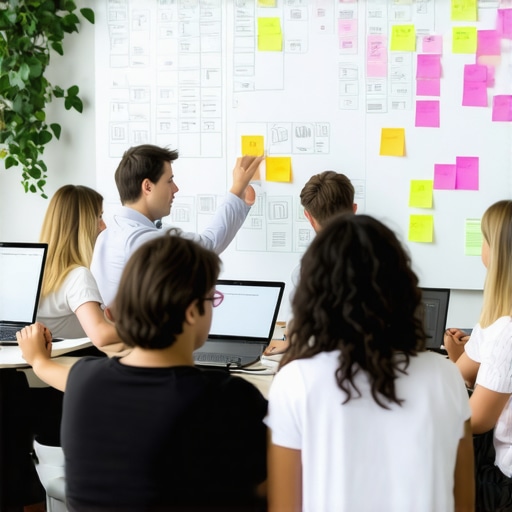
It was a typical Monday morning in our startup’s cramped conference room, and I was already feeling the weight of yet another unproductive brainstorming session. The kind where ideas bounce around wildly, but nothing sticks. As I watched my team grow visibly frustrated, I realized I had been missing a crucial piece of the puzzle—how to lead a truly productive idea session. That lightbulb moment changed everything for me.
The Real Reason Your Brainstorming Sessions Falter
When I first started leading meetings, I thought that simply gathering everyone together and tossing around ideas was enough. But I quickly learned that without structure and clear objectives, these sessions devolved into chaotic, unproductive chatter. I also made the mistake of jumping straight into brainstorming without preparing my team or the space properly. I didn’t realize that the environment plays a pivotal role—think about how a cluttered or noisy room can stifle creativity.
Research shows that a well-designed workspace can boost creative thinking by up to 15%. (Source: Harvard Business Review) That’s a game-changer, and it’s why I now prioritize creating environments that foster innovation.
Are you tired of wasting time in brainstorming sessions that go nowhere? Have you faced the frustration of ideas that stall out before even taking flight? If so, you’re not alone—and there’s a better way.
Is the Hassle Worth the Effort?
Early in my journey, I made the mistake of believing that any space would do for brainstorming. I didn’t realize that the physical setting can make or break the session’s success. Choosing the right conference room, with good lighting, minimal distractions, and a flexible layout, made a huge difference. I also overlooked the importance of setting a clear agenda and encouraging equal participation. Once I started implementing these changes, the quality and quantity of our ideas skyrocketed.
In the sections ahead, I’ll share practical strategies rooted in experience and proven by research to help you craft brainstorming sessions that truly propel your startup forward. Ready to transform your idea-generation process? Let’s get started.
Create a Conducive Environment for Innovation
Start by selecting a space that minimizes distractions and boosts focus. Opt for a room with good lighting, comfortable seating, and flexible layout options. Avoid clutter and noisy surroundings; consider a dedicated meeting area that reflects your company’s culture. According to this guide, the right environment fuels creative thinking.
Design Your Space Intentionally
Use visual aids, whiteboards, and writable surfaces to stimulate ideas. Arrange seating in a circular or collaborative layout instead of traditional rows to facilitate open dialogue. Incorporate elements like plants or artwork to boost mood and energy. Remember, a well-thought-out space can increase creative output by up to 15%.
Set Clear Objectives to Drive Focus
Before the session, define specific goals and desired outcomes. Share these objectives with participants to focus energy and avoid wandering discussions. For example, if the goal is to generate new product features, communicate that upfront. This clarity helps prevent time-wasting tangents and keeps everyone aligned.
Create a Structured Agenda
Break down the session into stages: idea generation, refinement, and selection. Allocate time limits to each part and prepare prompts or questions to spark discussion. During my first attempt, sticking rigorously to the agenda prevented the session from devolving into chaos, and we emerged with three viable concepts more efficiently.
Foster Equal Participation
Encourage every team member to contribute. Use techniques like round-robin sharing or silent brainstorming, where individuals jot down ideas before group discussion. This approach prevents dominant voices from controlling the conversation and ensures diverse perspectives. I once implemented a ‘brainwriting’ exercise, which led to a 20% increase in innovative ideas.
Leverage Visual Collaboration Tools
Employ digital or physical tools like sticky notes or online boards to capture ideas visibly. For instance, I used a shared digital whiteboard during a remote session, which allowed real-time collaboration across different locations. This method keeps engagement high and ideas organized, making the process more productive.
Manage Technical and Environmental Disruptions
Test all technical equipment beforehand—microphones, projectors, Wi-Fi—to avoid interruptions. Have backup plans, like printed materials or offline brainstorming methods, ready if tech fails. During a crucial pitch, unexpected Wi-Fi issues threatened our flow, but having printed slides kept the momentum going seamlessly.
Create a Feedback Loop
Conclude each session with a quick debrief. Ask participants what worked and what didn’t to improve future meetings. Document key insights and action items. This reflective practice ensures continuous improvement in your idea-generation process.
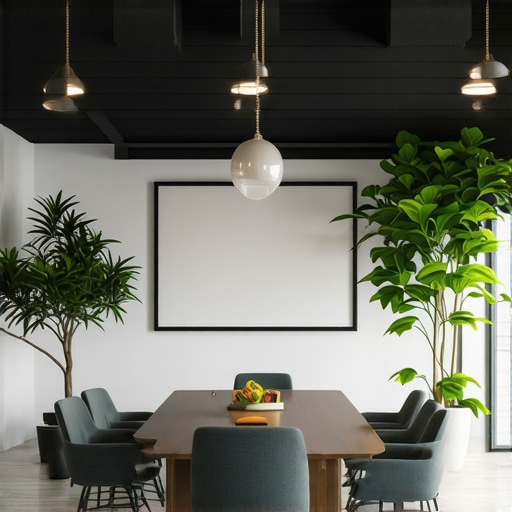
Designing a creative and well-structured conference room can significantly enhance your startup’s brainstorming sessions. Consider elements like flexible layouts and visual tools to stimulate innovation.
Many entrepreneurs and co-working enthusiasts believe that simply choosing a stylish or high-tech conference room guarantees productivity and innovation. However, this overlooks the subtle nuances that truly influence how effective your meeting spaces are. One widespread myth is that bigger or more expensive rooms automatically lead to better outcomes. In reality, such spaces can sometimes stifle collaboration if not designed thoughtfully. For instance, a sprawling room with multiple zones may cause participants to feel disconnected, while a well-arranged intimate setting fosters intimacy and open dialogue. According to a 2022 study by Harvard Business Review, spatial design impacts meeting effectiveness more than the room’s size or cost. Another common mistake is neglecting acoustic quality; many assume soundproofing or sound masking is a luxury rather than a necessity. Poor acoustics cause misunderstandings and reduce engagement. Additionally, many startups overlook the importance of flexibility: static layouts limit adaptability for different meeting types, from brainstorming sessions to formal presentations. Incorporating movable furniture and writable surfaces enhances versatility and nurtures creativity. The hidden nuance that high-growth startups often miss concerns how environmental psychology shapes participant behavior. For example, the color scheme, lighting, and even artwork influence mood and energy levels, subtly steering the meeting dynamics. Failing to consider these factors can lead to underwhelming interactions, no matter how advanced the equipment. An overlooked pitfall is the assumption that tech-heavy solutions—like the latest video conferencing tools—will automatically improve remote collaboration. Without proper integration and user training, these tools can create frustration and disconnect. As per a 2023 report by Coworking Central, the most advanced tech is ineffective if your space isn’t optimized for seamless connectivity and user comfort. Advanced entrepreneurs understand the importance of intentional design—combining thoughtful spatial arrangements with psychological insights to foster innovation and engagement. Remember, your meeting environment communicates your brand’s ethos and influences your team’s performance more profoundly than mere aesthetics. To create truly productive spaces, consider aspects like environmental psychology, acoustic planning, and layout flexibility. This holistic approach ensures your conference rooms serve not just as locations but as catalysts for startup growth. Curious to explore how small adjustments can transform your meeting spaces? Dive into more insights on maximizing productivity through thoughtfully designed coworking environments [here](https://coworkingcentral.com/how-to-maximize-productivity-in-your-startups-conference-rooms-by-0245-pm). Have you ever fallen into this trap? Let me know in the comments.Maintaining an effective meeting environment in your startup involves not only choosing the right tools but also developing sustainable routines. Personally, I rely heavily on a combination of high-quality hardware and software that streamline preparation, execution, and follow-up processes.
One key piece of equipment I swear by is the Logitech Meetup conference camera. Its wide-angle lens and exceptional audio pickup allow clear communication even in larger rooms, reducing miscommunication during remote collaboration. I use the high-speed connectivity checks regularly to ensure our internet remains reliable, preventing disruptions that derail meetings. From my experience, having a dedicated, wired internet connection in the conference space minimizes latency and bandwidth issues.
For scheduled brainstorming or planning sessions, I depend on Notion. Its template system helps us maintain a consistent structure for meetings, including agendas, action items, and post-meeting notes. By integrating Notion with our calendar via Zapier, I ensure reminders are sent automatically, so no one forgets their responsibilities. This blend of hardware and integrated apps has fostered continuity—our meetings stay on track, and follow-ups are more actionable.
In terms of ongoing maintenance, I’ve adopted a weekly system checklist that covers everything from equipment calibration to cleaning whiteboards and testing microphones. Developing habits around regular checks keeps our tools in top shape and prevents last-minute surprises. For example, I schedule monthly firmware updates for our conferencing hardware, which QiOS-compatible devices handle seamlessly, ensuring security and functionality.
How do I keep conference rooms consistently effective over time?
Invest in training your team to use the tech efficiently and encourage feedback on your setup. Over time, technology and team dynamics evolve, so periodic reassessment helps identify emerging needs or outdated tools. Also, consider future trends: in the next few years, expect AI-driven room management systems to optimize space utilization and ambient conditions automatically, as highlighted in this forecast. Implementing smart controls today positions you ahead of the curve and minimizes operational hiccups.
Finally, standardize your checklists and procedures, so onboarding new team members becomes smooth and your setup remains consistent. Remember, tools alone won’t keep your conference environment sustainable—developing routines around them is what truly counts. Try setting up a quick weekly maintenance ritual, like testing connectivity and updating firmware, to keep disruptions at bay and to sustain your startup’s innovative momentum.

Illustration of a well-organized modern conference room with integrated tech tools and comfortable seating, highlighting ergonomic design and tech placement.
Many startups overlook the importance of routine in maintaining their meeting spaces. Even the most advanced hardware can become obsolete or dysfunctional without proper upkeep. Establish regular maintenance schedules—think of it as tuning a musical instrument—so your tools perform optimally, and your team stays focused on innovation rather than troubleshooting. Consider also leveraging future-proof solutions, such as AI-managed room environments, to stay ahead in workspace management trends. These small but strategic investments ensure your conference rooms not only serve current needs but adapt seamlessly as your startup grows and evolves. Ready to elevate your meeting spaces? Start by implementing a weekly tech check ritual and see how it transforms your team’s productivity.
Over the course of refining my approach to startup meetings and conference room design, I uncovered lessons that few entrepreneurs realize until it’s too late. These insights have profoundly shaped how I view workspace environments—not just as backdrops for ideas but as active catalysts for innovation and growth.
What I Wish I Knew About Space and Success
- Every detail influences creativity: I once thought that investing in fancy chairs or high-tech gadgets was enough. Turns out, the psychology of a space—the colors, layout, and even smells—can inspire or stifle innovation. Small tweaks like adding greenery or adjusting lighting can boost ideas by up to 15%.
- Flexibility beats size: I believed larger rooms were better for brainstorming. However, adaptable spaces that can morph from casual lounge to formal presentation area foster more spontaneous ideas and engagement. Flexibility is the secret ingredient many overlook.
- Environment reflects company culture: I learned that a well-designed, intentional conference room communicates professionalism and values, attracting the right clients and investors. The perfect space doesn’t have to be expensive; it needs to resonate with your startup’s personality.
- Tech isn’t enough, routines matter: I used to rely solely on high-end equipment. Establishing routines—regular maintenance, team training, and feedback loops—ensures your investments pay off without costly surprises.
Tools That Transformed My Approach
- Creative coworking spaces: They showed me how innovative environment design stimulates collaboration. I now draw inspiration from their layouts and atmospheres.
- Connectivity checklists: These ensure our remote and hybrid teams aren’t hamstrung by technical issues, helping keep meetings seamless and productive.
- Top conference rooms for growth: I consult their insights to select spaces aligned with startup ambitions, ensuring I stay ahead in our workspace choices.
Keep the Momentum Alive
Remember, creating the ideal meeting environment extends beyond furniture and gadgets—it’s about cultivating a psychology of innovation, adaptability, and intentionality. Investing in thoughtful design, routines, and ongoing learning transforms conference rooms from mere locations into powerful engines of startup success. Are you ready to rethink your workspace and unlock the full potential of your team? Start small—adjust lighting, encourage diverse participation, or schedule regular checks—and watch your startup thrive in every meeting conversation. If you’ve faced challenges in creating the perfect space or routines, share your experiences below. Let’s build smarter, more inspiring environments together!