
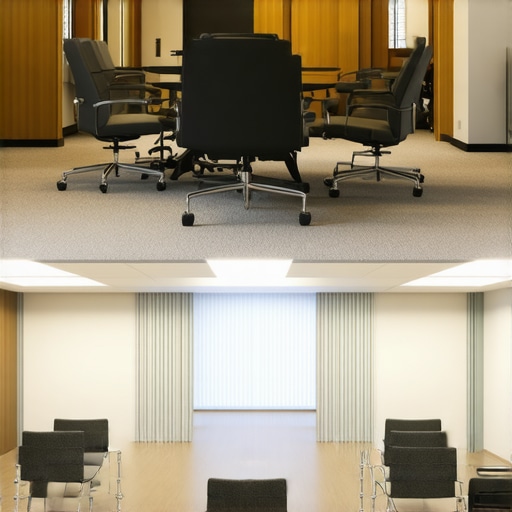
I remember the moment it hit me like a ton of bricks—sending out invites for a cheap conference room, only to watch potential clients back away, their eyes darting elsewhere. That cheap hire wasn’t just a deal; it was a missed opportunity, a subtle signal that we didn’t value professionalism. The realization dawned: the cost of cutting corners on a meeting space can quietly erode trust and credibility.
Why the Right Meeting Space Can Make or Break Your Startup’s Reputation
Imagine walking into a room with peeling paint, generic furniture, and flickering lights. Now, compare that with a sleek, well-designed conference room that screams, “We mean business.” Which one do you think leaves a better impression on a client? The answer is obvious. But it’s not just about aesthetics. The environment you choose has a direct impact on how your clients perceive your startup’s seriousness and professionalism.
Snatching a cheap meeting room might seem like a money-saver, but evidence suggests it could be a false economy. According to a study by Harvard Business Review, the environment in which you conduct negotiations can significantly influence the outcome—often in your favor when it’s high-quality and thoughtfully designed. When clients step into a space that signifies stability and professionalism, they unconsciously assign more value to your brand. On the flip side, a subpar setting might communicate indifference or lack of capability.
Have you ever booked a meeting in a noisy, cramped space just to save a few bucks, only to find your conversation drowned out by distractions? I’ve been there. Early on, I fell into the trap of choosing the cheapest option, thinking I was smart with money. But I overlooked the subtle cues—poor lighting, uncomfortable chairs—that understated the importance of environment in shaping perceptions. From that mistake, I learned that investing in a better space isn’t just about comfort; it’s a strategic move to boost your credibility.
Are you currently facing struggles with impressing clients or securing that next round of funding? If so, the meeting environment could be a silent obstacle undermining your efforts. Stick with me, because next, I’ll show you how to choose the perfect conference room that aligns with your startup’s image and goals.
For more insights, check out [this guide on selecting the right conference space for business success](https://coworkingcentral.com/how-to-choose-the-perfect-conference-room-for-business-success). Now, let’s explore how you can avoid costly mistakes and make every meeting a step toward growth.
Identify Your Core Meeting Needs Quickly
Start by listing the types of meetings you hold—pitch sessions, team check-ins, client presentations. Like a chef selecting the right skillet for different dishes, knowing your needs shapes your choice. Once I realized my team needed a space for high-stakes investor pitches, I focused on rooms with good lighting, soundproofing, and a professional ambiance, which immediately improved our perception during key meetings. Check out this guide for more on aligning your space with your startup goals.
Scope Out Suitable Locations Methodically
Instead of hit-or-miss, create a checklist—accessibility, tech support, privacy, and aesthetics. When I visited a coworking space, I tested its Wi-Fi, assessed noise levels, and examined furniture comfort. These concrete steps revealed the room’s real suitability, helping me avoid costly surprises. Use this quick vetting tip to save time and ensure quality.
Evaluate the Environment as a Reflection of Your Brand
Remember, your meeting space is a silent ambassador. Think of it as the storefront window—what it shows influences perceptions. I once booked a sleek, modern room with stylish furniture and natural light, which immediately elevated our credibility. To get inspired, explore how professional spaces impact funding.
Test Connectivity and Tech Supports Under Real Conditions
Don’t assume the Wi-Fi is fine—measures matter. Conduct a live test during your preferred hours. I once experienced lag during a video call because the room’s Wi-Fi couldn’t handle high traffic. This concrete step prevented future embarrassment and interruptions. For tips on tech reliability, see tech vetting methods.
Negotiate to Fit Your Budget and Scope
Once you’ve narrowed down choices, don’t settle—negotiate. Ask about discounts for recurring bookings or off-peak hours. I negotiated a better rate for a bi-weekly meeting, freeing up funds for other essentials. Remember, clear communication about your needs leads to better deals, much like a startup pitching a compelling story. Learn negotiation hacks at negotiation strategies.
Prioritize Flexibility for Growth
Your startup’s needs will evolve. Opt for spaces that offer scalable options—hot desks, private rooms, or dedicated suites. My team transitioned smoothly from a small shared desk to a private office as we grew, without switching venues. This choice minimized disruption and kept our momentum. Discover upcoming trends in future-proof workspaces.
Many entrepreneurs believe that simply securing a budget-friendly conference room will automatically boost their startup’s credibility. However, this oversimplification often leads to overlooked nuances that can undermine your professional image. One common misconception is assuming that all meeting spaces are created equal; in reality, subtle details like acoustics, lighting, and privacy significantly impact client perception and team productivity. For example, cheap, poorly equipped rooms may save costs initially but can cause distractions and hinder effective communication, ultimately hurting your startup’s reputation. Additionally, many founders underestimate the importance of designing spaces that promote collaboration versus isolation, which affects creativity and innovation. A study published by Harvard Business Review emphasizes how environment influences decision-making and team dynamics, highlighting that investing in well-curated spaces yields tangible benefits beyond mere aesthetics. Beware of the trap where startups focus solely on location or cost-cutting, neglecting the environment’s role in branding and functional performance. Are you aware of how these overlooked aspects could be subtly sabotaging your growth?
How can startups balance cost-efficiency with creating environments that foster trust and innovation?
The answer lies in understanding that your meeting rooms and coworking spaces serve as extensions of your brand narrative. Strategic selection of these environments not only impresses clients but also enhances internal culture. For instance, innovative meeting rooms with adaptable layouts, quality tech, and soundproofing help maintain confidentiality and promote focus, which is crucial during sensitive negotiations or brainstorming sessions. To dive deeper into selecting spaces that truly support your startup’s ambitions, check out this guide on choosing the right conference space. Remember, the goal isn’t just to rent a space but to craft an environment that embodies professionalism and supports your team’s dynamics. Don’t fall prey to the assumption that cheaper options suffice; instead, evaluate how the environment aligns with your brand image and operational needs. As you plan your next setup, consider how these details can turn a simple meeting into a powerful impression. Have you ever fallen into this trap? Let me know in the comments. Also, exploring innovative meeting rooms can unlock untapped potential for your startup’s growth. Remember, every detail counts when shaping perceptions and fostering productivity in the dynamic world of startups.Maintaining an efficient and professional meeting environment is crucial for startups aiming to impress clients and foster collaboration. Over the years, I’ve distilled a set of specific tools and methods that ensure our meeting spaces stay functional, secure, and conducive to productivity. One device I swear by is the **Logitech Rally Plus** camera system. Its ultra-HD quality, combined with robotic PTZ control, allows me to remotely manage camera angles during virtual meetings effortlessly, ensuring everyone feels included. paired with the **Logitech MeetUp** microphone, we’ve eliminated audio issues that previously plagued our conference calls. These tools are invaluable for consistent, high-quality communication, especially when coordinating across multiple locations. Additionally, I rely heavily on **Zoom Rooms** integrated with smart scheduling software, like **Robin**, which automatically updates room availability and reserves spaces based on meeting importance. This automation minimizes double-bookings and reduces the administrative burden. Regular maintenance of these tools involves daily checks—testing connectivity, updating firmware, and calibrating hardware—to prevent unexpected failures during critical meetings. Investing in backup solutions, such as portable Wi-Fi hotspots, has also saved us when our primary internet connection faltered. Looking ahead, I see the trend moving toward AI-powered room management systems that learn from usage patterns, optimizing space allocation and resource deployment automatically. For example, platforms like **Robin** are already embedding AI features to predict demand, further streamlining operations. To keep long-term results consistent, I schedule quarterly audits of all hardware and software, ensuring everything runs smoothly and upgrades are timely. This proactive approach helps prevent costly downtimes and keeps our meetings polished and professional. Curious about how to implement such systems in your startup? Start by integrating high-quality audio-visual hardware like Logitech’s solutions and pair them with smart scheduling tools—it’s a game-changer. For more insights, explore this comprehensive guide on [selecting the right conference room technology](https://coworkingcentral.com/why-professional-meeting-spaces-lead-to-faster-funding). Want to enhance your meeting environment further? Try scheduling a quarterly review of your tech setup and training your team on best practices—that small step can significantly improve your operational flow.
The Hardest Lessons Startup Founders Learn About Meeting Spaces
One of the most impactful lessons I’ve discovered is that the significance of a well-chosen meeting space extends far beyond cost. Initial attempts to save a few dollars by opting for budget-friendly rooms often backfire, leading to distractions, diminished professionalism, and missed opportunities. It took me multiple missteps to realize that environments communicate trustworthiness to clients and stability to investors. Every corner of your meeting space whispers your brand’s story, so investing wisely has a ripple effect on your startup’s reputation.
The Surprising Power of Details Most Skip
I used to overlook the little things—lighting, acoustics, furniture quality—but they can make or break your meeting’s success. For example, a simple upgrade to noise-canceling technology or ergonomic chairs transformed our team’s confidence and client impressions. Such details are like silent ambassadors that can elevate your startup from a fledgling to a formidable presence, reinforcing that professionalism and attention to quality matter in every interaction.
What I Wish I Knew About Tech in Meeting Spaces
Integrating reliable, high-quality technology is not optional; it’s essential. My first few virtual meetings suffered from lag and poor audio due to neglecting the setup. Investing in tools like Logitech’s conference systems and scheduling smartly with platforms like Robin turned our virtual encounters into seamless, impressive experiences. These aren’t just gadgets—they’re strategic assets that keep your team connected, credible, and ready to impress, no matter where you’re working from.