
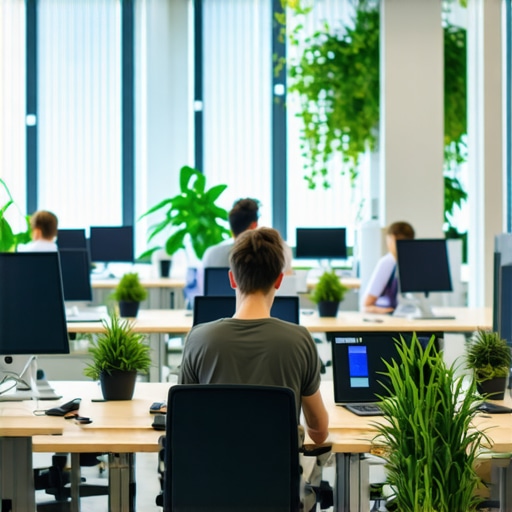
The moment I realized my open-office setup was sabotaging my productivity, I was mid-sentence on a crucial client call when a coworker’s loud coffee machine roared to life nearby. Suddenly, I couldn’t focus. My ideas scattered, and frustration mounted. It hit me then—distractions weren’t just nuisances; they were barriers to my success.
Why Open-Plan Offices Can Feel More Like Chaos Than Collaboration
In my early startup days, I loved the idea of a shared space fostering teamwork and spontaneity. But reality often felt different—constant interruptions, ringing phones, conversations that drifted into my focus zone like rogue waves. It’s a common story among entrepreneurs and remote workers alike. According to a study by Harvard Business Review, 70% of employees admit to struggling with workplace distractions, costing organizations billions annually in lost productivity. Clearly, there’s a disconnect between intention and execution in open environments.
Recognizing the problem was just the beginning. I made the mistake early on of neglecting the power of dedicated zones within my workspace. I thought I could control my environment by sheer willpower—spoiler: I couldn’t. That led me down a long road of trial, error, and finally, strategic space management. Today, I want to share how you can do the same—minimize disruptions and reclaim your focus in bustling open-plan offices.
Is It Worth the Effort to Tackle Distractions?
Before diving into solutions, I know what many skeptics think: “Is all this fuss really necessary? Can’t I just power through?” Trust me, I believed that too—until I realized that constant interruptions drain my energy and creativity, ultimately killing my productivity. Early in my journey, I spent a fortune on noise-canceling headphones only to find they were a band-aid, not a cure. The real breakthrough came when I started implementing intentional workspace zones, learning the importance of dedicated quiet areas, and setting boundaries. For example, I now reserve certain parts of my coworking space explicitly for focus-intensive tasks, which has dramatically improved my efficiency.
If you’ve faced similar struggles, you’re not alone. Let’s explore practical steps to turn your open-office chaos into your competitive advantage—starting with understanding the nuanced causes of distraction and how to combat them effectively.
Create Dedicated Zones for Focused Work
Identify areas within your coworking space that naturally lend themselves to concentration. Clear clutter and set up some quiet corners—think of it as designating a ‘no-distraction zone,’ similar to how a conference room is optimized for high-stakes discussions. I once reconfigured a corner with soundproof panels and a designated ‘do not disturb’ sign, which led to a noticeable increase in my deep work sessions.
Implement Visual Cues to Signal Availability
Use visual signals like signs, lights, or flags to indicate when you’re in ‘focus mode.’ This is akin to using a red light at a racing pit stop—everyone knows to pause. During a stressful project, I hung a simple sign on my door indicating ‘Focus Time’ in bold, which neighbors respected, reducing interruptions.
Leverage Technology to Minimize Interruptions
Utilize apps or device settings to block notifications during critical working periods. Think of it as turning off a noisy TV while reading—necessary for immersion. I used ‘Do Not Disturb’ modes on my devices and blocking software to silence non-essential alerts. This tech trick kept me from checking my phone every five minutes, maintaining momentum throughout lengthy tasks.
Create Strategic Meeting Schedules
Consolidate meetings into specific blocks instead of scattering them throughout the day. Picture this as gathering all your errands into one trip rather than making multiple small stops—more efficient and less disruptive. I experimented with morning-only meetings, freeing up afternoons for undisturbed work, which doubled my output on complex projects.
Optimize Physical Space for Concentration
Arrange furniture to minimize noise and visual distractions. For example, placing your desk away from high-traffic areas like the coffee station or main walkway. I personally moved my workspace to a corner opposite the communal lounge, which drastically cut down background chatter. If your space lacks private rooms, consider booking a conference room in advance for high-focus tasks.
Use Acoustic Solutions to Go Quiet
Incorporate noise-canceling headphones or install sound-absorbing panels. Imagine a headset as a personal soundproof booth—essential in noisy environments. I invested in quality headphones and added soft panels around my desk, which transformed my noisy coworking spot into a concentration haven. Want a peek at some cutting-edge solutions? Check out innovative meeting rooms.
Set Clear Boundaries and Communicate Them
Let colleagues and neighbors know your schedule and availability. This step is like setting boundaries in a shared apartment—everyone benefits from clarity. I started sharing my focus hours explicitly, which reduced unplanned disturbances and fostered respect within the communal environment. For more tips, learn how to maximize productivity in shared spaces.
Practice Consistency and Adjust When Needed
Stick to your established routines but remain flexible to tweak your environment. Think of it like tuning a musical instrument—small adjustments can significantly improve harmony. After a week of experimenting, I found that adjusting my focus blocks slightly earlier in the morning was optimal, allowing me to leverage peak mental energy. Remember, effective workspace management is an ongoing process, not a one-time fix.
While it’s tempting to see startup environments and coworking spaces as straightforward hubs for collaboration and productivity, there’s a nuanced mistake that many founders and managers make: underestimating the importance of spatial psychology and ambient cues in driving team performance. The popular belief is that providing open, shared spaces inherently fosters innovation, but numerous studies, including one published in the Journal of Environmental Psychology, reveal that the physical environment profoundly influences mental states and work outcomes. For instance, an open layout without visual or acoustic boundaries can unintentionally amplify distractions, leading teams to experience cognitive overload rather than creative synergy.
Most entrepreneurs focus on the technical or infrastructural aspects—like high-speed internet or stylish furniture—but overlook how subtle cues like lighting, color schemes, and spatial arrangement impact psychological comfort and focus. This oversight can cause wasted energy as teams struggle with unintentional stressors, which hampers deep work and creativity. For example, a workspace that lacks quiet zones or features overly stimulating environments may inadvertently promote superficial interactions at the expense of meaningful collaboration.
In my experience, truly innovative coworking settings consider neurodiversity and individual differences. Spaces are designed not just for the ‘average user’ but for a spectrum of cognitive needs, facilitating both social engagement and solitude—contrary to one-size-fits-all open plans. Check out how flexible meeting rooms are transforming the way startups work by enabling tailored environments here.
Be cautious of the trap of equating space with productivity alone. It’s equally vital to consider how ambient features subconsciously influence behaviors. For example, using warm lighting and earthy tones can reduce stress, encouraging longer periods of focused work. Conversely, harsh fluorescents or cluttered environments can trigger ‘fight or flight’ responses, decreasing efficiency. Designing with purpose—making space into an active participant in your startup’s success—is a subtle art that often goes unnoticed.
Advanced startups recognize that sensory inputs can increase or hinder creativity. An environment optimized for neurodiverse teams might include contrasting zones—areas for introverts to retreat and social spots for extroverts—creating a balanced ecosystem. This nuanced understanding shifts the focus from merely providing space to deliberately shaping environments for optimal cognitive performance.
Are you paying enough attention to your workspace’s impact on team dynamics? If not, you might be missing out on significant gains. Dive deeper into innovative arrangements that unlock your team’s true potential by exploring top coworking environment strategies or contact us here to tailor your space for success. Remember, a well-designed space isn’t just a backdrop—it’s an active catalyst for startup growth. Have you ever fallen into this trap? Let me know in the comments.Maintaining an efficient workspace is a continual challenge, especially as your startup grows or if you manage shared environments like coworking spaces and conference rooms. One of my top personal strategies is leveraging specifically chosen tools that streamline communication, organization, and long-term sustainability.
For instance, I rely heavily on Asana for project management. Its task tracking and timeline features help me keep everyone aligned without endless email threads. The visual Kanban boards make it easy to see progress at a glance, ensuring nothing falls through the cracks as team sizes expand.
To manage communication effectively, I use Slack integrated with various channels dedicated to different projects or spaces. This setup minimizes interruptions by compartmentalizing conversations, a technique I refined to reduce context switching—a notorious productivity killer in fast-paced startup environments.
For scheduling, Calendly has become indispensable. It automates meeting bookings and syncs with my calendar, avoiding conflicts and back-and-forth emails—especially crucial when coordinating conference room availability or remote calls. I make sure to set clear buffer times between meetings, which helps maintain focus and avoid burnout.
In terms of long-term results, investing in Robin for physical space management has been game-changing. Robin allows me to book coworking zones or conference rooms seamlessly, which is vital as my team scales or as I host external clients. It provides real-time availability, ensuring that high-demand spaces are optimized and well-maintained.
Looking ahead, I predict the trend towards integrated workspace management tools will continue. Future solutions will likely combine physical space booking, environmental controls, and AI-driven analytics to predict usage patterns, helping us optimize layouts and resource allocation proactively.
### How do I keep my workspace tools effective over time?
Regularly reviewing tool performance and team feedback is essential. I schedule quarterly evaluations to see if the tools meet evolving needs, whether that means adding integrations or switching to more scalable options. Additionally, investing in staff training ensures everyone uses these tools to their full potential, preventing your setup from becoming obsolete.
A tip I recommend trying right now is setting automated workflows in project management platforms like Asana to trigger reminders for maintenance checks or space reconfigurations. This small step can keep your physical and digital environments aligned, reducing downtime and enhancing team productivity. If you’re ready to refine your workspace management, consider reaching out via this contact link for tailored advice.
Lessons I Didn’t Expect to Learn About Startup and Coworking Spaces
- One of the toughest realizations was that relentless pursuit of open-plan layouts often overlooked the subtle psychological impacts—ambient cues can quietly influence innovation and focus, sometimes more than the physical layout itself.
- Early on, I believed technology alone could banish distractions, but I learned that deliberate space design and boundaries create an environment where tech tools support productivity rather than hinder it.
- It’s tempting to assume that bigger or more stylish spaces equate to better collaboration, yet I discovered the importance of creating targeted zones—quiet corners for deep work and lively hubs for brainstorming—tailoring the environment to specific team needs.
- Developing a personal system for space management, including visual cues and scheduled focus times, turned out to be the game changer, demonstrating that intentionality in workspace routines yields exponential results.
- Lastly, I realized that continuous adaptation, listening to team feedback, and fine-tuning physical and atmospheric elements are vital—workspace optimization isn’t a one-time setup but an ongoing journey toward harmony between environment and productivity.
My Favorite Tools for a Smarter Workspace
- Robin helps streamline physical space bookings, ensuring my team always has the right environment for high-stakes tasks—it’s a real multiplier of efficiency.
- Asana keeps our project flow transparent and organized, making sure everyone’s focus areas are clear and deadlines are met without the chaos of miscommunication.
- Slack channels tailored to specific workflows cut down distractions and foster quick, purposeful conversations—saving precious time in a busy startup rhythm.
- Calmly maintains a shared awareness of focus blocks, incorporating gentle reminders and cues, making it easier to respect boundaries and support deep work sessions.
Your Space, Your Superpower
“The future of startup and coworking environments depends on intentional design and mindful management of physical and psychological cues. Small changes today can unlock your team’s hidden potential and turn your workspace into a true catalyst for innovation. Don’t wait for the perfect setup—start experimenting and refining now.” Have you ever noticed how your environment influences your creativity or productivity? Share your story below!