
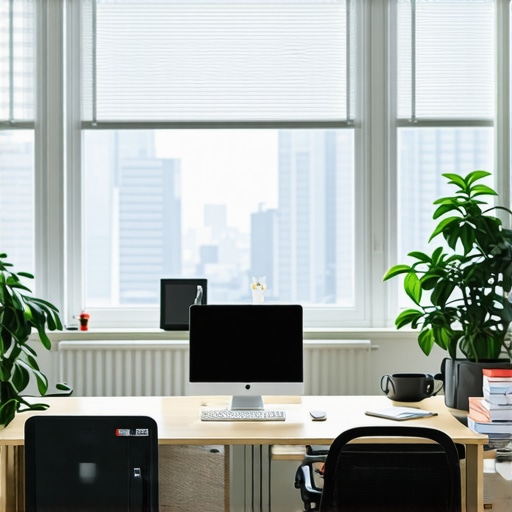
I remember the moment clearly. It was during a crucial investor pitch in a brightly lit coworking space, and I suddenly felt my energy drain. Despite rehearsing for weeks, I stumbled over my words, distracted by the flickering fluorescent light that seemed to mock my nerves. That day, I realized something glaring—literally—that overlooked light could undermine even the most polished presentation.
The Hidden Power of Proper Lighting in Your Workspace
Lighting isn’t just about illuminating a room; it’s about setting the tone, boosting focus, and fostering creativity. Yet, for many startups, it’s the most ignored aspect of their workspace. We invest in sleek furniture, high-end tech, and plush décor, but lighting? Often, we accept whatever comes with the space—harsh fluorescent tubes or dim bulbs. I used to make this mistake too, dismissing lighting as a minor detail. But after struggling through countless long days with headaches and sluggish energy, I started digging. I found studies indicating that natural light can improve productivity by up to 18% and reduce errors—figures that hit home when you’re racing against a tight deadline.
Do you find yourself dragging in meetings or feeling exhausted by midday, despite what should be a motivating environment? If so, you’re not alone—and more importantly, you’re missing a simple yet powerful solution.
Is Lighting Really That Big of a Deal Overseas, or Is It Just a Trend?
Early on, I made the mistake of thinking I could fix lighting with lamps and a few aesthetic touches. Turns out, bad lighting isn’t just about flickering bulbs; it’s about the right balance of natural and artificial light, the layout, and even the color temperature. Neglecting these aspects costs startups millions in lost productivity and creativity. Want to learn how to shift your workspace from drab to inspiring? Stay tuned, because in the next section, I’ll walk you through practical steps to optimize your lighting—steps I wish I had taken earlier. And if you’re curious about how other companies are transforming their work environments, check out [this article](https://coworkingcentral.com/the-future-of-conference-rooms-in-startup-ecosystems) on coworking trends.
Adjust Your Natural Light for Maximum Impact
Begin by evaluating your office’s natural light sources. Open curtains fully during the day to flood the space with sunlight, which boosts alertness and mood. If you lack windows, consider installing skylights or reflective surfaces to mimic daylight. I once added reflective panels in our startup’s conference room, turning a dull, dimly lit space into an energizing hub that increased meeting engagement. Use light-colored walls and furnishings to bounce light around, enhancing brightness without additional energy costs.
Layer Your Artificial Lighting Effectively
Combine ambient, task, and accent lighting. Start with overhead lights that provide even illumination; switch to warm tones (>4000K) to create a welcoming environment. For specific tasks like planning or brainstorming, install adjustable desk lamps or track lighting. Avoid harsh fluorescents that cause headaches; instead, opt for LED bulbs with dimming options. During my own team overhaul, switching to adjustable LED fixtures reduced fatigue and improved focus during long work sessions.
Optimize Light Placement and Control
Arrange light fixtures to minimize glare on screens and work surfaces. Use dimmers to adjust light levels based on activity and time of day, much like a director adjusts stage lights to set a scene. Implement smart lighting controls that schedule brightness alterations aligned with your team’s peak hours. For example, I programmed our office lights to soften at 4 p.m., helping staff transition into a focused afternoon mindset. Remember, controlling light intensity is just as important as the light source itself; it creates a customizable environment that adapts to your startup’s dynamic rhythm.
Address Color Temperature and Color Rendering
Select bulbs with a color temperature around 4000-5000K to emulate natural daylight, which enhances alertness without causing strain. Use high Color Rendering Index (CRI) bulbs (>80) so colors appear vibrant and true on screens and in printed materials. This subtle tweak in our coworking space made a noticeable difference in how team members perceived their workspace, leading to increased satisfaction and productivity. If you’re unsure about choosing bulbs, consult resources like this guide on maximizing workspace efficiency.
Incorporate Flexible Lighting Solutions
Provide options like portable lamps and adjustable fixtures to accommodate individual preferences. Some team members work better under softer lighting, while others require brighter environments for intense concentration. During a recent overhaul, I introduced task lamps with individual controls, which empowered staff to customize their space, fostering autonomy and focus. These adjustments demonstrate that small lighting changes can have a significant impact on overall productivity, creativity, and well-being.Many founders believe that choosing a conference room is as simple as finding a space with enough seats and good Wi-Fi. However, the truth is that most startups overlook critical nuances that can seriously undermine their meeting effectiveness. For instance, a common misconception is that larger rooms are better for team collaboration, but in reality, overly spacious, poorly designed rooms breed disconnect and reduce engagement. Failing to consider acoustics can lead to distracting echo and background noise, which diminishes focus during crucial presentations. Interestingly, experts note that poor room acoustics can decrease meeting productivity by up to 35%, a subtle but powerful drain on startup efficiency.
Why Do We Oversimplify Conference Room Selection, and What Are We Missing?
Across the board, many startups prioritize aesthetics and tech gadgets over function. But the real sneaky mistake involves neglecting ergonomics and ambient factors such as lighting, layout, and even ventilation—elements that subtly trigger stress, fatigue, or distraction. An effective conference room isn’t just about technology; it’s about creating an environment that fosters clear communication and creativity. For example, traditional rectangular rooms often hinder natural eye contact and encourage territoriality, cutting off spontaneous interaction.<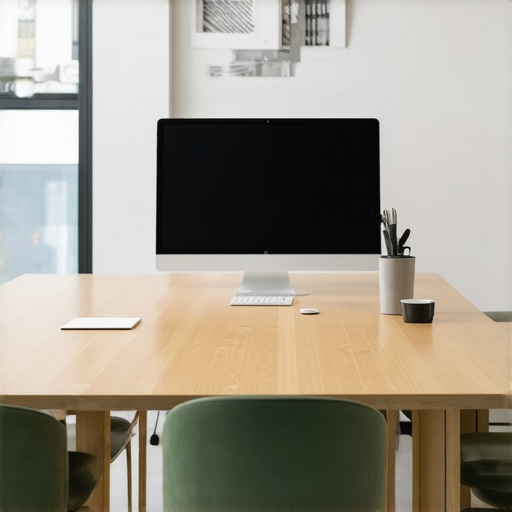 >In my experience, paying attention to these spatial and sensory nuances leads to more dynamic and productive discussions. Moreover, another overlooked aspect is the room’s adaptability. Meeting rooms should be flexible—able to toggle between small huddles and larger presentations without the effort of reconfiguration. Many startups fall into the trap of static spaces, resulting in stalls and frustration during rapid-growth phases. Want to dive deeper? Check out [how to maximize productivity in your startups’ conference rooms](https://coworkingcentral.com/how-to-maximize-productivity-in-your-startups-conference-rooms-by-0245-pm). Not addressing these subtleties can also create hidden costs—like increased stress levels and reduced team cohesion—that quietly erode your startup’s culture over time.
So next time you select a conference room, go beyond the superficial. Assess acoustics, lighting, layout flexibility, and even psychological comfort. Remember, the right environment can transform meetings from tedious chores into catalysts for innovation. Have you ever fallen into this trap? Let me know in the comments and share your experiences.Maintaining an effective workspace is a continuous challenge for startups aiming for long-term success. My personal approach involves leveraging specific tools that ensure consistency, adaptability, and scalability in meeting environments. For instance, I rely heavily on wireless presentation systems like the Barco ClickShare, which seamlessly connect multiple devices to one display without the clutter of cables. This promotes fluid collaboration and reduces setup time, especially vital when hosting unpredictable client meetings or team brainstorming sessions. Additionally, I use smart lighting controls such as Philips Hue, which allow me to adjust ambiance dynamically, ensuring the space is always optimized for focus or relaxation depending on the activity. These tools are not just for immediate improvement; they set a foundation for sustainable workspace management.
To keep meeting rooms functional over time, I prioritize a maintenance routine that includes regular calibration of AV equipment, routine cleaning of high-touch surfaces, and periodic review of lighting settings to adapt to seasonal daylight changes. Scheduling quarterly audits helps identify emerging issues before they escalate, saving costly repairs and downtime. I also recommend adopting cloud-based room booking software like Robin, which integrates with calendar apps and provides real-time availability, preventing double bookings and confusion. As startups grow, scaling these tools up by integrating data analytics can reveal usage patterns, guiding space redesigns or equipment upgrades.
Predictively, the trend points toward AI-powered environment management where rooms self-adjust lighting, temperature, and even acoustics based on occupancy and activity type. Companies like Cisco are already experimenting with intelligent conference rooms that learn and optimize over time, making the maintenance process more automated and less intrusive.
How do I maintain my conference spaces over time? I set a strict schedule for equipment checks, invest in scalable smart systems, and foster a feedback loop with team members to address recurring issues swiftly. Ensuring these tools evolve alongside your startup’s needs is crucial. For example, integrating a platform like Coworking Central’s [how to maximize productivity in your startup’s conference rooms](https://coworkingcentral.com/how-to-maximize-productivity-in-your-startups-conference-rooms-by-0245-pm) offers actionable insights into optimizing your environment.
Ready to upgrade? Start by testing a smart lighting system like Philips Hue in one room and observe the improvements in team focus and mood. Small, targeted upgrades can lead to significant long-term gains—give it a try today!Reflecting on my journey, I realize that the smallest adjustments often yield the biggest breakthroughs. Overhauling our startup’s lighting setup transformed not just productivity but also morale, proving that attention to minor details can elevate an entire business. Embracing a mindset of continuous refinement allows founders to uncover hidden opportunities—like perfecting room acoustics or integrating smart controls—that seem subtle but are profoundly impactful. Remember, the environment you cultivate in your workspace isn’t just aesthetic; it’s a strategic asset that advances your vision daily. By obsessing over these nuances, you create a foundation where innovation thrives naturally. Take this as a call to action: the next time you evaluate your conference room or coworking environment, look beyond the obvious. Tweak, test, and personalize—because those tiny improvements might be the secret edge your startup needs to stand out.