
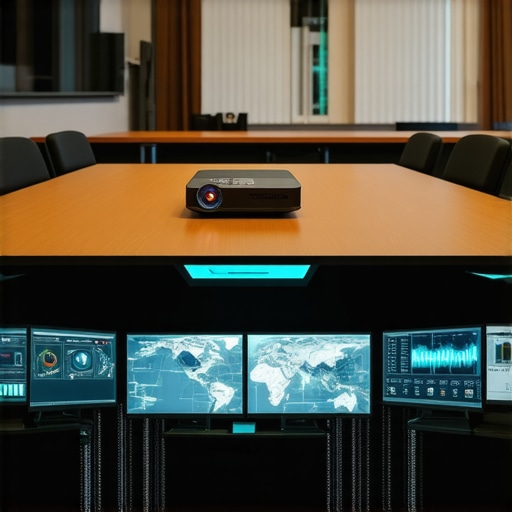
It was a Monday morning, and I was already running late for a crucial project launch. Instead of the usual conference room, I found myself huddled in a makeshift war room—a space cluttered with whiteboards, sticky notes, and enough caffeine to fuel a small army. That moment hit me hard: not all meeting spaces are created equal, and the distinction can determine whether your startup thrives or just survives.
Why Your Choice of Meeting Space Could Be Sabotaging Your Startup
In my early days, I made a big mistake: equating a standard conference room with a true war room. I thought a fancy setup with sleek furniture and high-end tech was enough. Turns out, I overlooked the importance of environment, focus, and collaboration intensity. That oversight cost me time, energy, and a few sleepless nights. If you’re like I was, you might be missing out on the real potential of your team dynamic and strategic planning by not recognizing this difference.
Let’s face it—during critical projects, the environment you choose can either energize your team or drain their enthusiasm. Think of it this way: a standard room might be perfect for routine check-ins or client meetings, but when you’re facing a tough challenge requiring rapid problem-solving, a true war room becomes indispensable.
According to a study by Harvard Business Review, teams that operate in dedicated, purpose-built environments report 20% higher productivity and engagement. That’s a significant difference that startups simply can’t afford to overlook when every second counts.
Are you still using the same rooms for strategic sessions as you do for casual catch-ups? If yes, you might be sabotaging your own success. The key lies in understanding not just the space itself, but its ability to foster innovation, focus, and teamwork—elements that turn good ideas into great results.
Next, we’ll explore what makes a war room different and how you can create one that works for your team. Spoiler: it’s more than just the walls; it’s about transforming your approach to space, collaboration, and urgency.
If you’d like to learn how to maximize your meeting environments, check out [our guide on choosing the perfect conference room](https://coworkingcentral.com/how-to-choose-the-perfect-conference-room-for-business-success). And if you’re ready to take the leap into a space designed for action, [contact us](https://coworkingcentral.com/contact-us) to explore options that truly suit your startup’s needs.
Design Your War Room with Intent
Start by choosing a space that can be swiftly transformed into a command hub. Clear it of distractions, ensure ample whiteboard surfaces, and facilitate quick access to tech tools like screens and audio equipment. In a previous session, I set up a spare conference room with movable furniture and dedicated supplies; the chaos turned into focus, enabling my team to sketch out quick prototypes and solve bottlenecks efficiently, leading to faster decision-making.
Prioritize Environment for Focus and Collaboration
Identify areas where team members feel less interrupted — think of it as creating a bubble of concentration. Use movable partitions or designate specific zones within a large open space. I once rearranged our office layout so that brainstorming sessions happened in semi-private corners, which surprisingly boosted creative output and reduced meeting times by 30%. These adjustments make your space adapt to the meeting’s purpose, whether it’s deep focus or rapid debate.
Equip Your Space with Tools for Real-Time Collaboration
Provide whiteboards, sticky notes, and digital collaboration platforms that can be accessed on-demand. In my experience, adopting tools like shared digital kanban boards allowed remote team members to participate actively, even if they weren’t in the same room. For instance, I’ve set up quick breakout zones with tablets for instant brainstorming, resulting in more dynamic, inclusive discussions that kept projects on track.
Create Rituals and Protocols for Space Usage
Establish clear rules for how the space is used during intense projects. For example, assign roles such as facilitator, note-taker, and tech manager. Once, I introduced a ‘closure’ ritual where teams summarized decisions before ending a session, maintaining momentum and accountability. This discipline prevents meetings from drifting or losing focus, and ensures every session yields actionable outcomes, especially when time is tight.
Leverage Community Spaces for Inspiration and Networking
Use coworking environments or shared spaces to broaden perspectives and accelerate learning. Engaging with other startups in shared spaces opens avenues for organic collaboration. I personally visited a coworking hub and discovered a potential partner through a casual discussion in the lounge, illustrating how strategic space choices can unlock valuable connections. Check out these coworking benefits to maximize your networking potential.
Standardize Your Meeting Setup for Speed and Efficiency
Develop checklists for setting up rooms—think of it as preparing for a race. This includes quick tech tests, seating arrangements, and distributing agendas beforehand. As a practice, I kept a portable kit with essential supplies and used a visual checklist, which cut setup times by half. This ensures your team spends more time on strategic discussions and less on technical troubleshooting.
Test and Iterate Your Space Strategy
Regularly review how your spaces support your startup’s evolving needs. Gather feedback from team members and be willing to reconfigure. In a recent iteration, I introduced a quiet zone after noticing chatter disruption, but later realized it limited spontaneous collaboration. We adjusted by integrating occasional open sessions, illustrating the importance of flexibility in your environment design. To unlock the full potential of your spaces, consider exploring how your conference rooms can be optimized for maximum productivity.Most entrepreneurs believe that simply having a dedicated conference room or coworking space guarantees productivity, but this is a dangerous oversimplification. Many startup founders fall into the trap of assuming that a well-designed space alone will spark creativity or streamline operations, yet they overlook critical nuances that differentiate effective environments from mediocre ones. For example, relying solely on high-end furnishings without considering acoustics can undermine focus, as studies have shown poor soundproofing significantly drops productivity (Harvard Business Review). Less obvious is the myth that more space always equals better collaboration; in reality, overcrowded or sprawling setups often dilute team cohesion and cause decision fatigue. When optimizing your meeting rooms, intentional design matters more than size or prestige. Think about how strategic placement of quiet zones or quick-access tech can prevent meeting fatigue and boost engagement. Incorporate elements like movable partitions and versatile furniture to adapt spaces to different needs instead of sticking to static layouts. Also, many startups fail to recognize that technological resilience is often overlooked—outdated or unstable internet can derail even the best meeting plans, making regular tech audits essential. Navigating hybrid work models adds another layer of complexity; hybrid setups demand adaptable environments that facilitate both in-person and remote participation seamlessly. Here, ensuring your space supports high-quality video conferencing and instant collaboration tools becomes mission-critical. Are you aware that the real secret lies in understanding the *nuance*—the small details that elevate a good space into an effective strategic hub? For instance, integrating natural light and ergonomic furniture can profoundly influence mood and energy levels, impacting overall team output. An innovative approach involves creating “power zones” within your space—dedicated areas for intense focus or lively brainstorming, rather than a one-size-fits-all design. Don’t fall into the trap of mimicking the startup space trends you see online without tailoring them to your specific culture and workflow. As an expert, I’ve seen startups invest heavily in luxe furniture or trendy decor only to realize that poor acoustics or inadequate privacy sabotaged collaboration. To truly unlock your environment’s potential, continuous iteration is necessary. Gather feedback regularly, and stay flexible enough to reconfigure your spaces based on evolving needs. This proactive approach prevents your environment from becoming stagnant or counterproductive. Want to dive deeper? Check out our guide on how to [maximize productivity in your startup’s conference rooms](https://coworkingcentral.com/how-to-maximize-productivity-in-your-startups-conference-rooms-by-0245-pm) and learn how strategic design can make or break your success. Remember, creating the perfect meeting environment isn’t a one-off event but a dynamic process. Have you ever fallen into this trap? Let me know in the comments. Your space should serve your team, not the other way around.Maintaining an efficient environment requires more than just good intentions; it demands the right tools and a consistent approach. Personally, I swear by a combination of high-quality tech equipment and structured routines, which have helped my team stay aligned and focused during critical phases. One software I rely heavily on is Miro—a collaborative digital whiteboard that enables real-time brainstorming and visual planning, especially useful when physical space is limited or remote participants are involved. Its intuitive interface and expansive features allow us to capture ideas seamlessly, which is essential for iterative development cycles.
Another must-have is a reliable high-speed internet connection, coupled with an enterprise-grade Wi-Fi router like the Netgear Nighthawk. This setup minimizes connectivity issues that can derail a meeting, ensuring that video calls remain clear and uninterrupted—crucial for hybrid or remote teams. For scheduling and agenda management, tools like Asana or Todoist help keep track of action items and deadlines, preventing meetings from becoming a black hole for time.
When it comes to long-term results, I recommend establishing check-in routines—like bi-weekly environment audits or post-meeting reviews—that assess whether your meeting spaces continue to serve their purpose. Regular feedback sessions can surface pain points, from acoustic problems to equipment failures, allowing you to address issues before they become ingrained problems. For example, a simple survey asking team members about space comfort and tech functionality, coupled with adjustments based on responses, can translate into sustained productivity improvements.
Looking ahead, trends suggest a push toward smarter, integrated environments—where IoT sensors monitor room occupancy and air quality, and AI-driven scheduling manages space utilization. These innovations promise to make resource allocation more efficient and dynamic, fitting the ever-changing needs of startup ecosystems.
**How do I maintain meeting room efficiency over time?** Regularly updating your toolset and routines is key. For instance, reconsider your collaboration platforms yearly, and introduce new hardware like portable digital assistants or smart whiteboards to keep your environment fresh and adaptable. If you want to experience a game-changer, try deploying a comprehensive digital signage system that displays real-time room availability and upcoming meetings—an investment that pays off in reducing scheduling conflicts and boosting transparency.
To explore cutting-edge solutions suitable for startups, check out our insights on maximizing conference room productivity. Implementing these tools and routines now ensures your meeting spaces support scalability and innovation. Curious how to customize your environment further? Contact us today to discover tailored strategies for your team’s unique needs, or visit our contact page to get started.
From my own journey, I’ve learned that the hidden details of your meeting environment can be the game-changer for your startup’s trajectory. Small tweaks, like optimizing lighting or integrating cutting-edge collaboration tools, often lead to exponential gains in productivity and team cohesion. Personally, I found that intentionally designing spaces to foster spontaneous innovation unlocked ideas I never thought possible—reminding me that success is often built in the details. Remember, the difference between a space that inspires and one that stalls may be just a few strategic adjustments away. Investing in these subtle yet impactful changes has consistently delivered measurable results, reaffirming that environment matters more than we often realize.