

I remember the day I realized our startup had grown beyond our cozy kitchen table. It was a Saturday morning, and instead of the usual buzz of creativity, I found myself pacing in the tiny apartment, trying to squeeze everyone into our makeshift setup. The kitchen, once a hub of brainstorming and caffeine-fueled work, had become an obstacle. The clutter, the distractions, the awkward seating—everything was shouting that we needed more space. That lightbulb moment hit hard: ignoring the signs was holding us back.
Entrepreneurs, I bet you’ve felt this too. Maybe you started with a laptop and a dream, but now your team is expanding, your client meetings demand professionalism, and the kitchen table just can’t cut it anymore. If you’re nodding along, you’re not alone. Many startups hit this inflection point where the cozy workspace begins to stifle growth.
Today, I want to walk you through how to recognize that your startup has outgrown the humble beginnings. Understanding these signs early can save you time, money, and a lot of headaches down the line. Plus, I’ll share insights from years in the trenches to help you navigate this transition smoothly.
Why Sticking to the Kitchen Table Can Hold You Back
Declaring independence from your makeshift workspace isn’t just about having a fancy office; it’s about recognizing the need for an environment that fosters scale, professionalism, and innovation. According to a study by Deskmag, 84% of remote workers believe having dedicated workspace increases productivity. That means staying put at the kitchen table might be costing you more than just space—it could be limiting your growth potential.
Early on, a small team can thrive in a confined space. The intimate setup makes quick decision-making and close collaboration easy. However, as your startup gains momentum, the drawbacks become glaring—lack of privacy, noise distractions, and the inability to host clients or investors confidently.
I made a major mistake early in my journey: I delayed searching for a better space because I thought we’d outgrow it quickly anyway. Trust me, it’s a trap. Waiting too long can diminish your team’s morale and hurt your brand image. Instead, paying attention to the warning signs will empower you to act decisively.
Have you felt this friction in your own startup? If so, recognizing these signs now can make all the difference. The next section will cover seven clear indicators that your startup is ready for the next step—trading the kitchen table for a dedicated workspace that works as hard as you do.Once you’ve identified the signs that your startup outgrows the kitchen table, it’s time to take concrete steps to upgrade your workspace. This process isn’t about finding the fanciest office but about creating an environment that boosts productivity, professionalism, and collaboration.
Assess Your Space Needs and Budget
Map Out Your Growth Trajectory
Start by analyzing your current team size and projected growth over the next 6-12 months. Use this data to determine the minimum space required to comfortably accommodate your team without feeling cramped. Consider shared spaces for flexibility, especially if you anticipate fluctuating headcounts. Make a list of must-have features such as high-speed internet, private meeting rooms, and affordable amenities.
Create a Realistic Budget
Calculate the total monthly cost, including rent, utilities, and additional services like cleaning or reception. Don’t forget to factor in potential costs of remodeling or furnishing the space. Compare options by visiting coworking spaces or leasing traditional offices, weighing the benefits and trade-offs of each.
Scout Ideal Locations and Spaces
Prioritize Accessibility and Environment
Choose a neighborhood that’s convenient for your team and clients, with good transportation links. The ambiance of the area can influence your startup’s image; trendy hubs often attract talent and networking opportunities. For example, some coworking centers offer a community-focused vibe that sparks innovation.
Visit Multiple Options
Schedule tours to get a feel for each space’s atmosphere, cleanliness, and amenities. Pay attention to natural lighting, noise levels, and the layout of common areas. Remember, a great space should inspire collaboration and focus, not frustration.
Design a Setup that Reflects Your Brand and Culture
Optimize Layout for Collaboration and Focus
Think of your office as a living organism—or a well-orchestrated strategy—where different zones serve different purposes. Incorporate open areas for team brainstorming, quiet corners for deep work, and dedicated conference rooms for important meetings. Adjustable furniture allows flexibility, accommodating spontaneous discussions or private calls.
Personalize the Space
Add branding elements like your logo, color schemes, and mission statements to infuse your company culture. This not only boosts team pride but also impresses visitors or potential clients.
Implement Transition Logistics
Plan the Moving Timeline Carefully
Coordinate with moving services or your team to pack, schedule, and execute the move smoothly. Aim for minimal disruption; perhaps plan the transition during a weekend or a slow period.
Set Up Essential Technologies
Prioritize fast, reliable internet and quality conferencing tools. Test all tech setups beforehand to prevent delays. For example, I once set up a new conference room and realized on launch day that the projector was incompatible with our laptops—learning to double-check connections saved us hours of frustration.
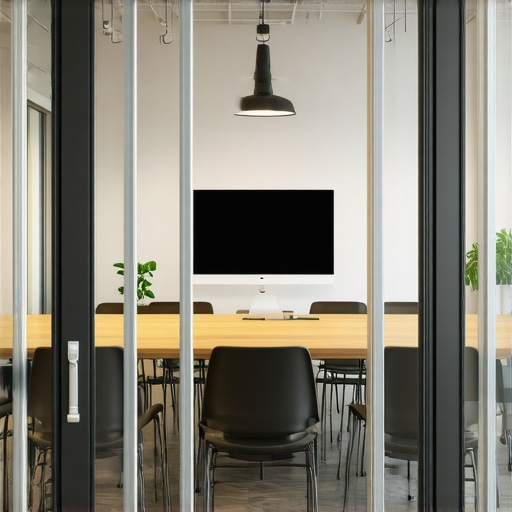
Use this visual guide to understand how a well-designed conference room can elevate your startup’s meetings and impress stakeholders. The right space fosters not just efficiency but a sense of professional identity which resonates in every client interaction.Many entrepreneurs believe that choosing a meeting room or coworking space is a straightforward task—pick a location, sign a lease, and go. However, as an expert in startup workspace strategies, I can tell you that there are nuanced pitfalls many overlook. One common misconception is that bigger or more modern spaces automatically boost productivity. In reality, the wrong environment can hinder focus and collaboration. For example, a flashy conference room with high-end tech may seem impressive but can become a distraction if it’s poorly designed or acoustically problematic. According to a study by Harvard Business Review, the physical layout of your workspace directly impacts team dynamics and innovation—it’s not just about aesthetics but about fostering the right behavior.
Another myth is that shared coworking environments are universally beneficial for startups. While they promote networking, they can introduce noise, interruptions, and a lack of privacy, especially during critical project phases. It’s crucial to assess your specific needs before committing. An advanced mistake many make is neglecting the importance of technological infrastructure—fast internet, soundproofing, and reliable conferencing tools are non-negotiable, especially for remote or hybrid teams. Skimping on these can lead to delays and frustration.
Have you ever fallen into this trap? Let me know in the comments.
### Why the Conference Room’s Design Can Make or Break Your Pitch
Many assume that holding a meeting or pitch is solely about the content presented. However, the environment’s influence on perception is often underestimated. An outdated, cramped, or noisy conference room sends unintended signals to clients and investors, undermining your professionalism. Ensuring your meeting space is equipped with better technology and sound management can elevate your reputation. For insights on how to choose the perfect conference room and maximize its potential, check out resources on https://coworkingcentral.com/how-to-choose-the-perfect-conference-room-for-business-success.
Also, consider the future of conference rooms in startup ecosystems; innovative design elements such as modular furniture and integrated tech can foster better collaboration and creativity, an evolution discussed in https://coworkingcentral.com/the-future-of-conference-rooms-in-startup-ecosystems. Remember, the aim isn’t just to meet, but to impress, inspire, and close deals. Watch out for the common mistake of underestimating the importance of environmental psychology—that subconscious cues often influence outcomes more than the content itself.
### How to Upgrade Your Meeting Environments for Greater Impact
Instead of settling for a standard setup, think of your conference room as a strategic asset. Incorporate elements like natural light, soundproofing, and versatile furniture to adapt to different meeting styles. Prioritize seamless technology integration—wireless presentations, quality microphones, and video conferencing capabilities that work flawlessly. Don’t forget that the environment impacts team morale; a well-designed space can energize your team and signal growth to visitors.
Avoid the trap of choosing spaces based solely on cost; investing in quality infrastructure yields dividends in productivity and reputation. For comprehensive guidance on designing high-impact spaces, explore posts on https://coworkingcentral.com/how-to-maximize-productivity-in-your-startups-conference-rooms-by-0245-pm and https://coworkingcentral.com/how-to-choose-the-right-membership-tier-for-a-growing-team.
Remember, your workspace is more than just a location—it’s a reflection of your startup’s identity and ambitions. Don’t overlook the subtle design nuances that can make a significant difference in your success. Are you ready to rethink your meeting environments and unleash their full potential? Let’s make your spaces work harder for you.Maintaining an optimized workspace over the long term requires the right combination of technology, routines, and strategies. As a seasoned startup founder, I heavily rely on specific tools that ensure our environment stays productive and adaptable. First, I swear by **Notion** for managing space-related planning and documentation because its flexible database and task management features allow us to keep track of workspace needs, renovations, and equipment inventories in one centralized place. It’s not just about organization; it’s about creating a living, adaptable plan that evolves with our growth. Additionally, **Asana** helps us coordinate maintenance schedules, schedule regular cleaning, and ensure equipment updates are timely, preventing issues before they impact operations. Regular check-ins via Asana’s recurring tasks keep maintenance seamless without interruptions.
For communication and troubleshooting, I recommend tools like **Slack** integrated with dedicated channels for facility management. This instant connection allows team members to report space issues immediately—be it broken conference room tech or ergonomic concerns—so they can be addressed proactively. I personally set up alert bots within Slack that notify our admin when equipment requires attention, preventing minor issues from turning into costly repairs.
To preserve long-term results, investing in **security and monitoring systems** is paramount. I use a combination of smart cameras and access control (like Kisi) to oversee entry points and common areas, deterring misuse and facilitating efficient access management. This makes maintaining security effortless and keeps operations smooth without constant manual oversight.
Looking ahead, the trend points toward **integrating AI-driven workspace management tools** that predict maintenance needs and optimize space utilization dynamically. For example, emerging platforms can analyze usage patterns and automatically suggest reconfigurations or schedule preventative maintenance, minimizing downtime.
**How do I maintain my workspace intelligently over time?** Regularly updating your tools, reviewing space usage data, and encouraging open feedback sessions keeps your environment aligned with your evolving needs. For instance, I schedule quarterly reviews of our tech setup and space layouts—fostering continuous improvement.
For those ready to elevate their workspace management, I recommend trying out integrated systems that combine occupancy analytics with maintenance scheduling, like SpaceIQ or Diverse. Implementing such solutions has transformed our ability to keep operations smooth and scalable without extra hassle. If you’re interested, reach out through our contact page to explore tailored solutions for your startup’s growth trajectory.
Looking back, the most crucial lesson I learned about startup growth is that initial comfort zones—like our beloved kitchen table—can inadvertently become cages. When I first started, our cluttered apartment felt like the perfect incubator, but ignoring the signs of outgrowing that space cost us precious momentum. The key is recognizing these cues early: noise levels that hinder focus, client meetings that feel unprofessional, or team members feeling cramped. Embracing a dedicated, intentionally designed workspace isn’t just about aesthetics; it’s about creating an environment where your startup’s potential can truly flourish. Every startup has a unique trajectory, but the insight remains universal—invest in a space that reflects your growth ambitions to propel your success story forward.