
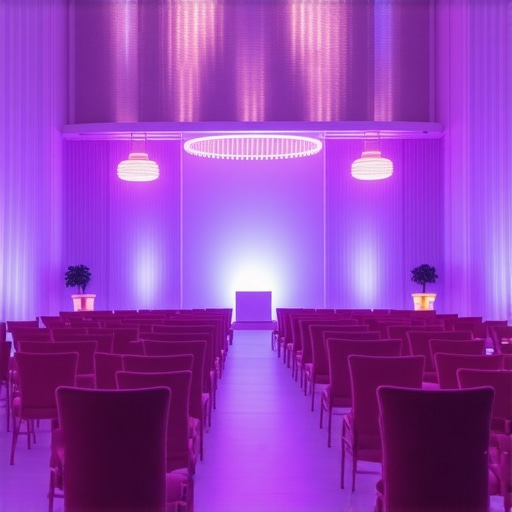
I remember the sinking feeling in my stomach when I booked what was supposed to be the ideal industry mixer venue, only to realize too late that it was completely unsuitable. The noise was deafening, the layout awkward, and worst of all, I was stuck with a space that hindered genuine connection rather than fostering it. That lightbulb moment hit me hard—choosing the right venue isn’t just about availability or price, it’s about creating an environment where ideas flow and relationships thrive.
The Secret Sauce to Picking a Venue That Works
If you’ve ever faced similar frustrations — agonizing over whether a space truly suits your needs or second-guessing whether your choice will impress attendees — you’re not alone. I’ve learned firsthand that the process can feel overwhelming, especially with so many options out there. But here’s the truth: with a strategic approach, you can avoid common pitfalls and find a venue that aligns perfectly with your goals. Today, I’ll share how to sidestep those rookie mistakes and unlock the perfect meeting space for your next event.
Is Booking a Fancy Conference Room Actually Worth the Hype?
I used to think that opting for the most luxurious or trendy venue was the surefire way to impress. Turns out, that’s a mistake I made early on. The costly, “fancy” spaces often came with hidden drawbacks—poor acoustics, inflexible layouts, or extra fees that added up quickly. According to a recent study by the Harvard Business Review, the right environment can significantly enhance networking outcomes, but only if it supports your objectives. It’s better to focus on a space that complements your event’s purpose, rather than just its image.
If you’re wondering how to avoid falling into the trap of selecting a venue based solely on surface appeal, I promise this article will help. We’re going to explore actionable steps to assess spaces critically, ensuring your choice boosts productivity and meaningful connection. And if you’re tired of wasting time and money on subpar locations, stay tuned—because I’ve been there, and I’ve found the way out.
Assess Your Event’s Core Needs
Start by defining what you want to achieve. Is the goal networking, collaboration, or presentation? For example, I once booked a sleek downtown conference room for a team workshop, thinking the modern vibe would inspire creativity. But it turned out the space lacked breakout areas, making group activities awkward. Clearly outlining your objectives helps in selecting a space tailored to those needs.
Evaluate the Space’s Flexibility and Layout
Visualize how your activities will unfold. Will you need round tables, breakout rooms, or open spaces? Think of it like arranging furniture for a dinner party—you wouldn’t set a banquet table for a small brainstorming session. I once chose a venue with fixed seating, which stifled spontaneous discussions. Opt for venues with adaptable furniture and zones that cater to different interaction styles.
Inspect Accessibility and Comfort
Ensure the venue is accessible to all attendees, including those with mobility issues. Check for sufficient lighting, ventilation, and noise control. I made the mistake of booking a space with poor acoustics, leading to constant audio issues during calls. A simple visit or virtual walkthrough can reveal such pitfalls. Consider factors like proximity to public transport and parking availability to minimize attendee hassle.
Test Tech and Connectivity
A reliable tech setup is non-negotiable. Bring your own adapters, Wi-Fi testers, and audio-visual equipment to verify compatibility. For a recent workshop, I arrived early to test the AV system, avoiding the embarrassment of tech failure. Ask the venue if they provide robust Wi-Fi, and request a demonstration of their tech amenities beforehand.
Assess the Environment’s Vibe
The atmosphere influences participant energy. Is the space vibrant and stimulating or calm and focused? I once booked a dimly lit lounge for a strategic planning session, which dampened enthusiasm. Ideally, visit during the same time of day as your event to gauge lighting and noise levels. The right vibe can make or break engagement.
Factor in Cost and Logistics
Balance your budget with the venue’s features. Beware of hidden fees like cleaning charges or overtime rates. During my first booking, I overlooked these costs and faced unexpected expenses. Use a checklist to compare venues and confirm what’s included. Also, consider transportation, nearby amenities, and parking options to streamline logistics for attendees.
Visit and Visualize the Space in Action
Always conduct an in-person visit or virtual tour. Picture your event unfolding: where will speakers stand? How will attendees circulate? I once tried to rent a space based solely on photos, only to find it was too cramped once I visited. Make notes, take photos, and involve key team members in the evaluation to get diverse perspectives.
Leverage Expert Help or Community Insights
If unsure, consult professionals or peer networks. Spaces like co-working communities can offer advice or even host your event. I reached out to a coworking space, which had dedicated event coordinators—saving me time and headaches. Their insights can help you avoid common pitfalls and find environments that foster connection and productivity.
Many entrepreneurs assume that all coworking spaces and meeting rooms are created equal, but this misconception can lead to costly mistakes. A common myth is that booking the most popular or trendy space guarantees productivity and networking success. In reality, these spaces often prioritize aesthetics over functionality, leading to distractions or logistical headaches. For instance, a stylish coworking lounge might look appealing in photos but could be noisy or crowded during peak hours, hampering concentration. According to a survey by Deskmag, 70% of remote workers report that the environment’s ambiance significantly impacts their focus and collaboration. Therefore, choosing a space should go beyond superficial appeal; it requires understanding nuanced factors like acoustics, layout flexibility, and tech readiness.
Another widespread error is neglecting the environmental nuances that influence meeting outcomes. For example, many overlook the importance of natural light or proper ventilation, which can subtly affect mood and engagement. An enclosed, windowless room may seem practical but often drains energy and hampers creativity. Moreover, some underestimate the value of space adaptability. Fixed furniture and rigid layouts stifle spontaneous discussions and limit the room’s versatility. A study from the Harvard Business Review highlights that flexible environments foster innovation by enabling dynamic group formations and ad hoc brainstorms.
What about the misunderstanding surrounding tech infrastructure? Many assume that portable or personal devices suffice for seamless meetings. Still, insufficient Wi-Fi bandwidth, outdated AV equipment, or incompatible cables can cause delays, frustrations, and professionalism to suffer. It’s crucial to verify the space’s tech capabilities beforehand, perhaps by visiting in advance or requesting a demonstration. A recent article on coworking trends stresses that top-tier connectivity remains a top priority for successful collaborations.
Let’s ask an advanced question: How can startups leverage undiscovered or unconventional coworking spaces to boost innovation without sacrificing professionalism?
The answer lies in identifying environments that blend the perks of shared spaces with tailored amenities. Creative coworking hubs designed specifically for startups often feature adaptable zones, quiet corners, and breakout areas that encourage serendipitous encounters. For example, some spaces transform meeting rooms into content studios or innovation labs, fostering immersive collaboration. Exploring options like these can be a game-changer, making your workspace an enabler rather than an obstacle. Check out articles on how to unlock these hidden gems, such as the post on transforming meeting rooms into collaboration hubs.
Ultimately, recognizing these nuanced pitfalls—distractions masked as style, overlooked environmental factors, and tech pitfalls—can save startups time and money while boosting productivity. Think beyond surface impressions and invest in environments that truly support your goals. If you’re interested in discovering innovative coworking spaces tailored for startups, visit [Coworking Central’s top meeting rooms of 2025](https://coworkingcentral.com/coworking-spaces-unlock-innovation-top-meeting-rooms-of-2025-at-1123-am). Have you ever fallen into this trap? Let me know in the comments.
Staying productive in coworking spaces and conference rooms requires more than just choosing the right location; it depends heavily on how you equip and maintain your environment. From reliable tech to strategic routines, having the right tools can make or break your session. One tool I swear by is the Elgato Cam Link 4K. This compact device transforms my DSLR or mirrorless camera into a high-quality webcam, drastically improving Zoom calls or live streaming sessions. It’s a game-changer for professional presentations or remote workshops in shared spaces, ensuring crisp visuals and a polished look without the need for expensive hardware. Investing in good video quality helps project confidence and professionalism, especially when meetings extend into the digital realm.
Beyond hardware, software management tools are critical for maintaining workflow. I rely on Notion for project tracking and note-taking. Its flexible databases and templates allow me to organize agendas, action items, and resources accessible from any device — perfect for on-the-go coworking environments. For scheduling, Calendly minimizes the back-and-forth of booking meetings, which is essential when managing a fluid calendar across multiple venues. These tools are invaluable for keeping meetings purposeful and calendars coordinated, even when working in different spaces or time zones.
Regular maintenance routines also ensure long-term productivity. I set weekly reviews to clean and test tech setups—like checking that my hotspot is functioning well and ensuring my external microphone and camera are updates. Maintaining a
Unspoken Lessons That Changed My Approach
- Don’t assume that a trendy space guarantees productivity; I learned the hard way that functionality trumps flashiness every time.
- Flexibility in layout isn’t just a bonus—it’s essential for adapting to your event’s evolving needs, which I discovered during last-minute changes.
- Tech readiness can make or break your session; testing connectivity and equipment beforehand saved me many headaches.
- The vibe of a space influences energy levels more than aesthetics; choosing environments that match your event’s tone fosters engagement.
- Never underestimate the power of personal visits—photos can be deceiving, and a quick walkthrough revealed issues books couldn’t show.
Tools That Keep Me Ahead of the Crowd
- Elgato Cam Link 4K: Transforms my camera into a professional webcam, elevating virtual meetings—trust me, clarity impresses clients and partners alike.
- Notion: A flexible project management tool that keeps my notes organized across multiple locations, ensuring I stay on top of every detail.
- Calendly: Simplifies scheduling, especially when coordinating with teams and venues, avoiding awkward overlaps.
- Space Auditing Checklist: A personalized guide I developed to quickly assess potential venues, saving time and preventing costly mistakes.
Seize the Moment: Your Work Environment Matters
Remember, the ultimate success of your coworking and meeting experiences depends on more than just booking the right space—it’s about cultivating an environment that inspires innovation and connection. Take these lessons, integrate the right tools, and don’t shy away from exploring unconventional spaces that can unlock new levels of creativity. Your perfect workspace is out there, waiting to elevate your startup journey. Have you ever had a space that unexpectedly boosted your productivity? Share your story below and let’s learn together!