
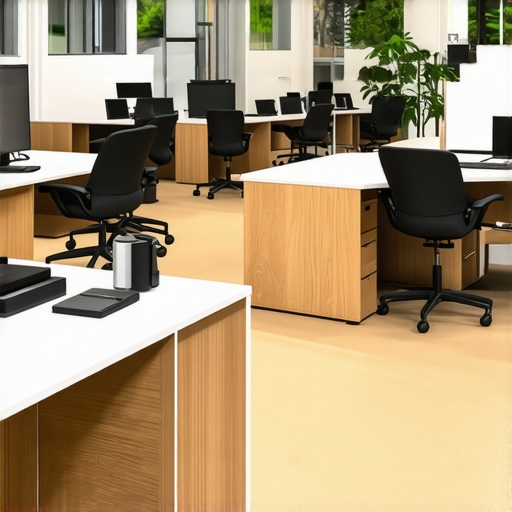
I remember the exact moment I realized my startup was shooting itself in the foot every time we booked the wrong conference room. It was a crucial pitch, the kind that could make or break us. As I waited in a noisy, cramped space, I could see the client’s frustration growing. That moment hit me hard: the environment we chose could derail our entire effort. The realization was simple yet profound—getting the right amenities in our workspace, especially the conference room, isn’t just a luxury; it’s a necessity for success.
Why the Right Workspace Essentials Make or Break Your Startup
Choosing a workspace is more than just finding a desk and a chair. For startups aiming to grow quickly and impress investors, every detail counts. Basic amenities like reliable Wi-Fi, soundproof meeting rooms, and good lighting can significantly impact productivity and professionalism. Fail to prioritize these, and you risk wasting time, damaging your reputation, and losing potential deals. From my experience, the difference between a makeshift spot and a well-equipped conference room can be the catalyst for closing a big deal or missing an opportunity altogether.
But here’s the snag—many founders struggle with figuring out what amenities are truly essential and how to choose spaces that align with their growth. It’s tempting to overlook these details in the rush to launch, but neglecting them can be costly. I learned this the hard way when my team wasted precious hours trying to hold a presentation in a space that wasn’t prepared for high-stakes client meetings. That mistake taught me the importance of understanding what makes a workspace effective.
If you’ve ever faced the embarrassment of an unprofessional meeting environment or the frustration of dealing with unreliable facilities, you’re not alone. The good news is, with a little guidance, you can avoid these pitfalls and create a workspace that propels your startup forward. In the next sections, I’ll share practical insights on selecting the right amenities and spaces to turn your work environment into a growth engine. Want to dive deeper into how top startups choose their meeting spaces? You might find it helpful to explore Top secrets for startup success in conference room selection. Ready to transform your workspace and boost your startup?s potential? Let’s get started.
Pinpoint Your Must-Have Amenities
Start by listing essential features: reliable high-speed Wi-Fi, soundproofing, adjustable lighting, and quality audio-visual equipment. I once booked a conference space without checking the Wi-Fi speed, believing it wasn’t critical. Mid-presentation, the connection dropped, costing us the deal. To avoid this, verify each amenity beforehand by requesting demos or visiting the space in person or through virtual tours. Learn from my mistake—don’t assume; confirm every detail aligns with your startup’s needs. For guidance on what amenities benefit startups most, check out this resource.
Assess the Space’s Flexibility and Layout
Think of your conference room like a stage: the layout influences the flow of your meeting. Opt for spaces with movable furniture, allowing customization for brainstorming sessions or presentations. I recall a time when we reserved a fixed table room, only to realize later that an open layout would have fostered better interaction. When touring potential spaces, test different configurations to ensure adaptability. Also, ensure the room size suits your team and guest count—an overcrowded or underwhelming setting diminishes professionalism. To see how top coworking spaces are transforming their rooms into collaboration hubs, visit this article.
Evaluate Location and Accessibility
The convenience of your meeting spot cannot be overstated. Choose a location easily reachable via public transit or with ample parking. I once scheduled a pitch in a remote spot, and multiple clients struggled to attend, leading to a canceled appointment. When assessing venues, consider nearby amenities: cafes, restaurants, and hotels. A central, accessible location signals professionalism and respects your clients’ time. For insights on selecting locations that impress investors and clients alike, refer to this guide. Ensuring accessibility reduces last-minute hurdles and projects an image of readiness.
Check Technology Support and Backup Plans
Technology failures can derail even the best meetings. Confirm that the space provides dedicated technical support or at least quick access to assistance. It’s wise to test all AV equipment before your meeting—connect your laptop, check the microphones, and verify screen sharing capabilities. I had an experience where a misconfigured projector delayed an important demo; since then, I always bring a backup presentation on a USB and use spaces with reliable tech support. Consider spaces with backup power solutions too. Learn how top startups maximize efficiency in conference rooms by exploring this resource. Preparedness can save you from unexpected glitches.
Prioritize Privacy and Confidentiality
Some meetings handle sensitive information. Opt for spaces that afford privacy—soundproof walls, entry controls, or private floors. I once scheduled a confidential investor discussion in a bustling coworking lounge; the noise was distracting, and I worried about data leaks. To avoid such issues, look for spaces with dedicated, enclosed rooms. If privacy is non-negotiable, consider options within top coworking hubs designed for high-stakes discussions. Ensuring confidentiality enhances your credibility and peace of mind.
Think Long-Term and Budget
While last-minute bookings might be tempting, establishing ongoing relationships with spaces can lead to better rates and preferred availability. Negotiating for flexible memberships or packages—especially if you expect regular meetings—saves money in the long run. I once secured a monthly deal that included free hours and amenities, which proved invaluable during a series of investor roadshows. When negotiating, be clear about your needs and explore options like shared spaces, which provide high-quality facilities at lower costs. For negotiation tips, see this article. Planning ahead ensures your startup’s growth isn’t hampered by workspace limitations.Many entrepreneurs believe that having the fanciest conference room directly translates into startup success. However, in my experience, this is a misconception. The real nuance lies in understanding how meeting environments influence team dynamics and decision-making processes. For example, some founders think that larger rooms with high-end tech automatically foster collaboration, but studies show that cramped or poorly designed spaces can stifle creativity and open dialogue. A 2022 Harvard Business Review article emphasizes that psychological comfort and spatial intimacy often matter more than size or flashy equipment.
One widespread myth is that coworking spaces are inherently less professional or less aligned with startup growth. Yet, innovative coworking hubs are designed specifically to accelerate startups by providing flexible, resource-rich environments that adapt as you scale. The key is selecting spaces that align with your company’s culture and goals instead of relying solely on stereotypes.
An advanced consideration often overlooked involves acoustic privacy. Many assume that soundproofing is unnecessary in open-plan settings, but even minor noise leaks can disrupt focus during critical meetings or negotiations. Investing in spaces with proper acoustic treatment can significantly enhance productivity and confidential discussions, especially as your startup matures.
Now, let’s address a common trap: assuming that tech amenities alone guarantee a successful meeting. While reliable AV equipment is crucial, neglecting the softer elements like territorial comfort, lighting, and room flow can undermine your efforts. For instance, poor lighting can cause fatigue, reducing attention and engagement. Regularly reviewing and adapting your meeting environments ensures they support your team’s evolving needs.
Are you still relying on outdated assumptions about meeting spaces? If so, it’s time to think critically about how to optimize these environments for growth. Remember, the right space isn’t just a backdrop but an active facilitator of your startup’s success.
For deeper insights into designing effective conference rooms, you might want to explore top secrets for startup success in conference room selection. Also, if you’re concerned about optimizing your current spaces, check out this guide on maximizing productivity in your startup’s conference rooms.
Have you ever fallen into this trap? Let me know in the comments.Maintaining a high-functioning conference room or coworking environment requires more than just good furniture and reliable Wi-Fi; it hinges on deploying the right tools and establishing disciplined routines. One of my personal go-to solutions is using dedicated project management software like Asana or Trello to keep track of maintenance schedules, equipment upgrades, and feedback collection from users. These platforms allow me to set recurring tasks—such as checking audio-visual equipment monthly or updating Wi-Fi routers quarterly—ensuring nothing slips through the cracks.
For real-time issues, I depend heavily on Slack channels dedicated to facilities management. This way, any team member can report a problem as soon as it occurs, whether it’s a malfunctioning projector or a broken chair. Prompt responses prevent small issues from escalating into disruptive downtimes, which is critical for startups that rely on frequent meetings to move projects forward.
I also recommend investing in IoT sensors to monitor environmental conditions like temperature, humidity, and air quality, especially if you’re scaling up or moving into new coworking spaces. These sensors provide data that help optimize comfort and productivity, and they alert you to facilities concerns before they impact your team.
Looking ahead, the trend is moving toward integrated smart environments where everything from lighting to booking systems synchronizes seamlessly. According to a 2023 report by TechCrunch, startups that harness IoT and centralized control systems improve space utilization by up to 30%, boosting efficiency and morale.
## How do I maintain consistent workspace performance over time?
Start by establishing routines—schedule regular audits using your project management tools, and keep all team members trained on reporting issues via Slack or a dedicated helpdesk app. Regularly review system data from IoT sensors to identify patterns and preempt problems. Remember, the key to long-term success isn’t just setting up these tools, but fostering a culture of routine care and quick responsiveness.
Don’t hesitate to experiment with new tech solutions. For example, trying out a smart lighting system that adjusts based on occupancy has saved me hours and energy costs. Begin by integrating one advanced tip—like setting up IoT environmental monitors—and see the positive ripple effects. Want to explore more about tech innovations transforming spaces? Check out this resource on innovative coworking solutions. Ready to keep your startup’s environment running smoothly day after day? Dive in and make it happen.In my journey as a startup founder, I discovered that the true power of a meeting space extends far beyond its physical amenities. The most impactful lessons often come from overlooked details—spaces where intentional design meets strategic purpose. For instance, I once repurposed a small, quiet corner into a brainstorming haven, completely transforming team dynamics and sparking innovative ideas that propelled us forward. These experiences taught me that choosing or designing the right meeting environment isn’t just a logistical decision—it’s a strategic move that can catalyze growth and foster a culture of excellence.
Lessons That Changed How I Approach Startup Spaces
- Prioritize Psychological Safety: Creating a space where team members feel comfortable sharing ideas or voicing concerns promotes genuine collaboration. I learned this when I noticed productivity stalling in rooms that felt sterile or intimidating. Soft lighting and personalized touches made a significant difference.
- Optimize for Spontaneity and Flexibility: Agile startups thrive on quick pivots. I found that having modular furniture and open layouts enabled us to adapt spaces swiftly, fostering spontaneous discussions that often led to breakthrough solutions.
- Invest in Human-Centric Design: Ergonomics and ambiance impact focus and creativity. A comfortable chair or a natural light source isn’t just a luxury; it’s an investment in your team’s well-being and output.
- Leverage Technology Intentionally: High-quality audio and visual tools facilitate clear communication and impress clients. However, integrating simple setups like smart whiteboards or wired connections makes collaboration seamless.
- Embed Confidentiality and Privacy: In sensitive negotiations or investor meetings, dedicated soundproof zones prevent distractions and safeguard information. Small but thoughtful adjustments here can build trust and confidence.
Nurturing Your Meeting Environment: My Go-To Resources
- Top secrets for startup success in conference room selection: This guide changed how I evaluate spaces, emphasizing purpose-driven choices aligned with long-term goals.
- Maximize your startup’s productivity with smarter conference rooms: Practical tips that instantly improved our meeting efficiency and team engagement.
- Creative coworking: transforming rooms into innovation hubs: A source of inspiration on making spaces work harder for collaborative breakthroughs.
- Best coworking meeting rooms for startup growth in 2025: Keeping an eye on future trends ensures your space remains competitive and inspiring for talent and investors alike.
Your Next Move Starts Now
Designing the perfect meeting space is an ongoing craft—an art of balancing form, function, and foresight. Embrace the journey of experimentation and continuous improvement, knowing each tweak can unlock new levels of performance, innovation, and team cohesion. Remember, the right environment doesn’t just support your startup— it elevates it. Take action today, reflect on your current spaces, and consider how strategic enhancements can set the stage for your next big achievement.
Comments are closed.