

I remember the moment vividly. We had just doubled our team in a matter of months. Excitement was high, but so was chaos. Virtual meetings turned into muddled conversations, onboarding new hires felt like a game of telephone, and I started noticing our once vibrant startup vibe slowly fading into a collection of disconnected screens. That lightbulb moment hit—I realized that growing quickly shouldn’t come at the expense of our culture and cohesion.
Today, I want to share how I learned to scale a remote team while keeping our core values intact. It’s a challenge many founders face, especially when their team is scattered across different time zones and cultures. The promise? Practical strategies rooted in personal experience to help you nurture your company culture, even as your team expands.
Why Maintaining Culture Matters When Growing Remote Teams
Growing your team can feel like a double-edged sword. On one side, you’re gaining talent, ideas, and momentum. On the other, there’s the risk of losing what made your startup special—its culture. If your team members don’t feel connected, aligned, or motivated, productivity suffers, and so does your company’s soul.
One early mistake I made was neglecting intentional cultural practices. I believed that as long as we communicated regularly, culture would naturally stick around. Spoiler: it didn’t. In fact, neglecting intentionality can lead to a toxic environment where miscommunication and disconnection breed frustration. According to research from Harvard Business Review, teams that actively foster a shared culture are 13% more productive and 29% more likely to stay engaged in their work.
So, how do you prevent culture erosion in a remote setup? That’s what we’ll explore next—simple, actionable steps to keep your team feeling united and motivated, no matter how big you grow. Have you faced the challenge of maintaining culture while scaling? Let’s dive into the solutions that can turn your remote team into a cohesive force.
Establish Clear Values and Communicate Them Regularly
Begin with a foundation. Clearly define your core values and ensure every team member understands them. During one instance, I sent out a concise values document via Slack, followed by a team meeting dedicated to discussing how these principles influence our work. This sets a shared language and a common purpose, much like well-aligned gears in a machine. Reinforce these values in weekly updates and onboarding materials to keep them top of mind.
Create Rituals That Reinforce Connection
Rituals foster familiarity and loyalty, similar to daily water cooler chats in an office. I implemented a Friday virtual coffee break, where team members shared personal stories or project wins. This simple act built camaraderie, even when the team was spread across time zones. Consistency turns this into a tradition, strengthening bonds and cultivating trust.
Design Effective Meeting Structures
Meetings are your virtual conference rooms. Make them count by setting agendas, limiting duration, and encouraging participation. Think of your meetings as a well-structured conference room—bright, organized, and inviting. During a product brainstorming session, I used a timer and prioritized ideas that aligned with our core values, ensuring focus. Incorporate visual aids and real-time collaboration tools to make discussions lively and inclusive.
Utilize Technology to Signal Inclusion
Leverage video conferencing, collaborative platforms, and instant messaging to create an interconnected workspace. For example, I used project management tools like Trello and Slack channels dedicated to both work and casual conversations. This mirrors office interactions and reduces feelings of isolation. Regularly check in with remote team members to gauge their engagement and address concerns promptly.
Reward and Recognize Cultural Alignment
Celebrate stories and behaviors that exemplify your values. I initiated a monthly shout-out segment where team members highlight colleagues who went above and beyond. This recognition acts like applause in a theater—motivating others and reinforcing the behaviors you want to see. Such practices create a positive feedback loop that sustains your culture amidst growth.
Design the Physical and Virtual Workspace to Support Culture
Just as a well-designed conference room encourages collaboration, your virtual environment should promote interaction. I transformed our onboarding into a virtual tour, sharing our online community spaces and establishing informal channels for spontaneous chats. This approach ensures newcomers feel embedded, much like a bustling coworking space that fosters organic interactions.
Develop Onboarding Experiences That Impart Culture
Onboarding isn’t just about paperwork; it’s cultural immersion. I paired new hires with mentors for the first month, providing them with context about our history, values, and rituals. Think of it as giving someone a map before they explore a new city—reducing confusion and building confidence from day one.
Use Metrics to Keep Culture Front and Center
Track engagement through surveys, participation in rituals, and feedback. I set quarterly pulse checks to assess how well our culture was sticking and adjusted strategies accordingly. Just like a health monitor, these metrics help you catch issues early and adapt practices to sustain your team’s cohesion.
By implementing these concrete steps—clarity, rituals, effective meetings, technology, recognition, workspace design, onboarding, and metrics—you create a resilient culture that grows stronger alongside your team. Remember, maintaining culture isn’t a one-time effort, but an ongoing process that requires deliberate action and adaptation.
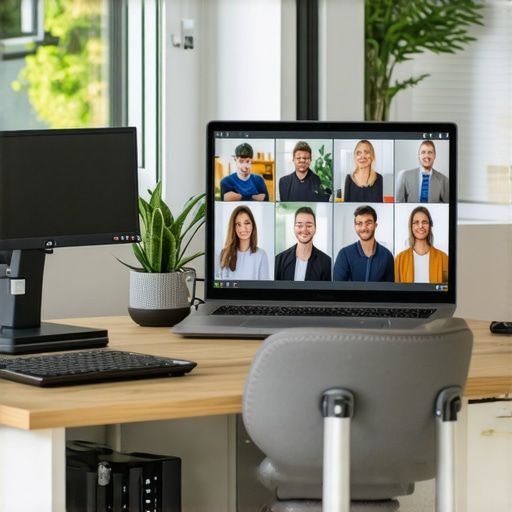 Many assume that simply having a dedicated conference room or a bustling coworking space automatically boosts productivity and innovation. However, the truth is more nuanced. For instance, many startups fall into the trap of equating larger, more expensive meeting rooms with better collaboration, but studies show that *room quality alone doesn’t improve outcomes* — the environment’s design and purpose matter more. For example, poorly lit or acoustically dead spaces can stifle creativity, a problem highlighted in research on workplace acoustics from the Harvard Business Review, which indicates that bad acoustics reduce cognitive performance by up to 66%.
Are Free-Form Collaboration Spaces Actually Hindering Innovation? One common misconception is that open, flexible spaces always foster spontaneous collaboration. While these setups can encourage casual interactions, they often lead to distractions and a lack of focus, especially for deep work. A 2021 study by Steelcase found that employees in open environments report 15% more distractions, resulting in decreased productivity. The danger here is assuming that more openness equals better communication, but in reality, it might just increase noise and reduce individual focus. Having dedicated quiet zones alongside collaborative areas can strike a better balance, a concept supported by coworking success stories shared on Creative Coworking’s blog.
Additionally, many overlook the importance of privacy within meeting rooms. Unlike the myth that all meetings should be open for transparency, certain discussions—like sensitive negotiations or strategic planning—necessitate a quiet, private environment. A misjudgment here can lead to leaks or decreased trust among team members or clients. To truly unlock the potential of your space, focus not just on the physical attributes but also on the *functional purpose* and ambiance that encourage the right type of interaction.
Furthermore, a common pitfall is failing to adapt meeting spaces as your startup evolves. What worked in the early days often becomes obsolete as team size and project complexity grow. In this context, flexible arrangements and modular furniture can save costs and increase agility. For example, quick reconfiguration of a room to suit different meeting types can promote efficiency and versatility, as demonstrated by coworking spaces that forecast future trends in Innovation-ready meeting rooms of 2025.
Are you guilty of sticking to outdated notions about workspace design? Or perhaps you’ve overlooked the subtle yet impactful dimensions of your meeting environments. Recognizing these nuances makes all the difference. For more tips on preparing your physical space for growth, check out How to Maximize Productivity in Your Startup’s Conference Rooms. Have you ever fallen into this trap? Let me know in the comments.Maintaining an efficient and innovative workspace isn’t a one-and-done effort; it requires ongoing attention, the right tools, and strategic adjustments. Over the years, I’ve found that investing in high-quality equipment and adopting targeted methods can dramatically improve your team’s productivity and morale. One key area often overlooked is the proper setup of meeting rooms and collaboration tools to ensure seamless communication, whether you’re scaling up or refining your existing environment.
A cornerstone of effective long-term management is choosing technology that evolves with your team. For example, I heavily rely on Logitech’s Spotlight presentation remote—it offers precise control and connectivity that’s vital during complex remote pitches or team meetings. Its integration with video conferencing platforms, like Zoom or Microsoft Teams, simplifies transitions between presenters and reduces technical hiccups. This kind of equipment ensures your meetings are smooth, minimizing disruptions that can derail your flow.
On software, I recommend investing in a unified communication platform such as Slack or Microsoft Teams. These tools serve as the backbone of daily collaboration, allowing for thread-based conversations, easy sharing of files, and integrations with project management apps like Asana or Trello. Personally, I use Slack’s workflow builder to automate routine updates—saving hours weekly and reducing burnout. As your startup grows, these platforms can be expanded with customized bots or integrations, offering scalable solutions tailored to your needs.
Physical space management remains critical, especially when hybrid models are involved. High-quality noise-canceling microphones and webcams are non-negotiable for remote and in-person synchronization. I’ve found the Jabra Evolve2 85 headphones to be invaluable—they block out distractions during intense brainstorming sessions and call meetings. Ensuring your conference rooms are equipped with reliable Wi-Fi and high-definition displays helps prevent technical delays. For a deeper dive into optimizing physical spaces, check out the article on choosing the right conference room.
Looking ahead, the trend of smart furniture and adaptive environments is gaining momentum. Think desks with built-in charging stations or rooms equipped with adaptive lighting that responds to the time of day or meeting type. According to a report by Coworking Central, these innovations will be standard in meeting spaces by 2025, further enhancing productivity and well-being.
**How do I maintain these tools and environments over time?** Regular audits are essential. Schedule quarterly reviews of your equipment, software integrations, and physical spaces. Solicit feedback from your team about what’s working and what isn’t, then adjust accordingly. Updating firmware, renewing software licenses, and cleaning or reconfiguring physical setups keep everything running smoothly.
Don’t forget training and documentation. Provide onboarding sessions whenever new tools are adopted, and keep a knowledge base accessible for troubleshooting. A well-informed team minimizes downtime and maximizes the return on your investments.
A practical tip I urge you to try today is setting up automated maintenance checks with your collaboration software. For example, create reminders for firmware updates or subscription renewals and configure alerts for hardware failure risks. This proactive approach ensures your environment stays resilient as your team scales.
In a rapidly evolving workspace landscape, staying ahead requires deliberate action. Prioritize tools that are scalable, integrate seamlessly, and support your unique culture. With consistent maintenance and strategic upgrades, your meetings and collaborative efforts will remain productive long into the future.
The Hidden Lessons That Changed My Approach to Remote Growth
One of the most profound realizations I had was that building a strong remote culture isn’t about copying office routines—it’s about crafting intentional practices that embed your values into everyday interactions. I once believed that regular updates alone would maintain cohesion, but I learned that deliberate rituals, like storytelling and shared celebrations, create a sense of belonging that transcends physical distance.
Another lightbulb moment was recognizing the importance of aligning tools with your cultural goals. Investing in platforms that foster real connection—like dedicated channels for non-work chatter—can turn a scattered team into a close-knit community. Omitting this can leave you with a team that’s technically connected but emotionally distant, which can undermine long-term engagement.
Lastly, I discovered that measurement isn’t just for performance metrics—it’s vital for culture health. Regular pulse surveys, coupled with action on feedback, help prevent cultural drift. Without these checks, you risk losing sight of your core beliefs amidst rapid growth, which can be more damaging than any external challenge.
My Go-To Resources That Keep the Culture Engine Running
For practical insights, I turn to books like “The Culture Code” by Daniel Coyle, which I trust completely because it distills science into actionable tips on building trust and safety. It’s been a game-changer for understanding how small behaviors ripple into larger cultural shifts.
When it comes to tools, Slack remains my essential platform. Its threaded conversations and integrations (like with Trello and automation bots) help keep our community vibrant and organized. I also rely heavily on Typeform for anonymous pulse checks, giving team members a safe space to share honest feedback. These tools are reliable and adaptable to fast-changing team dynamics.
For ongoing inspiration, I follow the blogs of experienced founders on platforms like First Round Review, which regularly showcase stories of culture-building in remote settings. Their real-world examples serve as both motivation and guidance, helping me refine our own practices.
Step Up and Build the Culture You Want Today
Don’t wait for perfect conditions to nurture your startup’s culture. Every deliberate conversation, ritual, and tool choice shapes the environment your team collaborates in. Remember, a resilient culture isn’t built overnight—it’s a continuous journey of intentional action and genuine connection. Challenge yourself today to implement one new practice that aligns with your values, and watch your remote team thrive beyond expectations.