
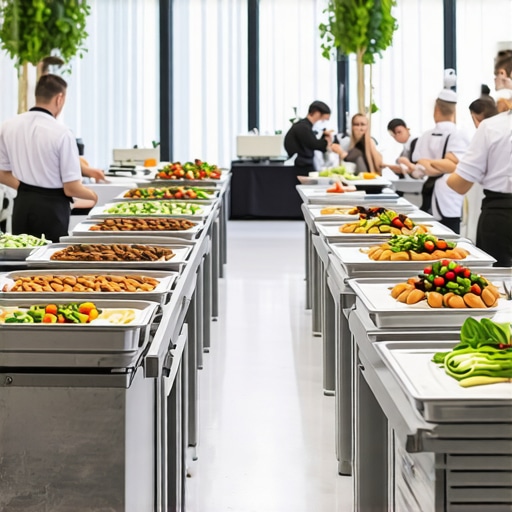
I’ll never forget the sinking feeling that hit me midway through an important client kickoff. The catering arrived late, and what was supposed to be a professional, impressive spread turned into a last-minute scramble that left everyone munching on soggy sandwiches and unevenly filled plates. That moment was a lightbulb for me — I realized how much a simple mistake in catering could derail the entire event. Since then, I’ve made it my mission to avoid these costly pitfalls, and today I want to share those lessons with you.
Why Catering Goes Wrong—and Why It Matters
It’s easy to overlook catering as a minor detail, but in reality, it’s a crucial part of your event’s success. The right food can energize conversations, foster connections, and leave a lasting impression. Conversely, disaster strikes when catering logistics are mismanaged — late arrivals, menu miscommunications, or inadequate quantities can turn a promising gathering into a stressful mess. Personally, I’ve learned that a well-executed catering plan isn’t just about the food; it’s about setting the tone and ensuring your attendees feel valued and cared for.
According to a recent survey, 65% of event attendees say that food quality significantly influences their perception of the event overall. So, investing in quality and reliable catering isn’t just about feeding people—it’s about reinforcing your professionalism and making your event memorable.
Is Catering Really That Big of a Deal or Just Overhyped?
I used to think catering was a background detail, something to check off the list. My early mistake was assuming that cheap, quick options would suffice. But the truth is, cutting corners on catering can immediately reflect poorly on you. I remember one instance where I underestimated the importance of dietary restrictions and ended up with an array of dishes that no one with allergies or preferences could enjoy. It was embarrassing and made me realize that strategic planning in catering can actually improve the overall experience. If you want to master this aspect of event planning and truly impress your guests, keep reading. We’ll go through proven strategies to dodge these common pitfalls and ensure your next event’s catering is nothing short of excellent.
Plan Your Menu with Precision
Start by understanding your audience’s preferences and dietary restrictions. Create a diverse menu that caters to common allergies and special diets, such as vegetarian, vegan, gluten-free, and halal options. For instance, I once overlooked gluten allergies in a corporate lunch, resulting in discontent and waste. To avoid this, send out a quick survey in advance to gather dietary info and share menu options transparently.
Choose Reliable Catering Partners
Establish relationships with vetted vendors known for punctuality and quality. Schedule tastings and visit their facilities if possible. When I partnered with a local caterer, prior reviews and a tasting session helped me gauge their professionalism, preventing last-minute surprises on the event day.
Sign Clear Contracts to Avoid Hidden Costs
Review all terms, including cancellation policies, gratuity, setup fees, and menu adjustments. Avoid vague language that can lead to unexpected bills. I once faced additional charges due to ambiguous service fees; a detailed contract prevented future issues.
Coordinate Logistics Seamlessly
Map out delivery times, setup procedures, and staffing needs. Assign a point person responsible for communicating with the caterer during the event. During a recent startup meetup, I coordinated a delivery window and instructed staff to be ready for setup, ensuring the food was fresh and served promptly.
Implement Quality Control
Designate team members to oversee catering during the event. Conduct a brief pre-event inspection to confirm everything matches the agreed-upon setup. During one conference, this extra step caught a mix-up in appetizer quantities, allowing us to rectify it before guests arrived.
Gather Feedback for Continuous Improvement
After each event, solicit attendees’ opinions on food quality and service. Use this data to refine future catering choices. I found out that attendees appreciated customized dessert stations, inspiring me to include them in subsequent events, raising overall satisfaction.
Integrate Tech for Better Management
Use apps or digital checklists to track orders, special requests, and schedule updates. These tools streamline communication and reduce errors. During a recent startup retreat, digital coordination minimized misunderstandings and kept everyone aligned.
Emphasize Presentation to Elevate Experience
Visual appeal impacts perceived quality. Opt for elegant plating, thematic decor, and appropriate serving ware. I learned that simple garnishes and coordinated color schemes significantly enhance guests’ perception of the catering effort.
While many believe that choosing a coworking space or conference room is simply about location and price, the truth runs much deeper. In my experience, there’s a complex web of factors—often hidden—that can make or break your productivity and networking potential. For instance, some companies gravitate towards trendy, high-tech spaces believing that innovation correlates directly with the latest gadgets, but overlook critical aspects like acoustic quality and privacy, which are often more important. According to a study from Harvard Business Review, environmental factors such as sound insulation and layout significantly impact worker focus and collaboration.
One common myth is that larger, more vibrant spaces always foster more creativity; however, overcrowded or noisy environments can hinder deep work and concentration. Selecting the right setup involves understanding your team’s dynamic and the types of tasks they perform. For example, dedicated quiet zones can dramatically improve focus, but are often neglected in favor of open-plan designs that promote casual interactions. To make smarter choices, consider consulting expert opinions or visiting spaces during peak hours—something many overlook.
The ‘oops’ factor here is trusting your first impression or relying solely on online images. Spaces can look appealing online but fall short in real-world scenarios like poor ventilation, unreliable Wi-Fi, or inadequate soundproofing. This can sabotage your intentions of boosting productivity or fostering meaningful connections. I advise conducting thorough in-person assessments, including tests of technical equipment and environment acoustics, before committing.
For startups, the nuances extend further. A poorly chosen conference room can hinder crucial pitch meetings or client negotiations. Advanced users ask: How do I evaluate a coworking space’s long-term adaptability to scaling team sizes and evolving work styles? The answer involves examining the space’s flexibility, technological infrastructure, and community support systems. For instance, some spaces offer modular configurations or ‘innovation hubs’ designed specifically to adapt as your team grows. Discovering spaces that align with your growth trajectory is vital—don’t settle for a cookie-cutter solution.
Moreover, building a vibrant community isn’t just about signing up for a space; it’s about leveraging hidden networking opportunities within the environment. Spaces with active, engaged members create organic chances for collaboration and knowledge exchange. Check out [top coworking environments](https://coworkingcentral.com/unlock-networking-opportunities-in-top-coworking-environments) to see how top spaces foster connections that can accelerate your startup’s journey.
In summary, the devil is often in the details. From environmental acoustics to community dynamics, understanding these nuanced elements helps you avoid costly missteps. Have you ever fallen into this trap? Let me know in the comments.
Maintaining an efficient coworking environment and ensuring your conference rooms and meeting spaces operate smoothly over time requires a strategic mix of reliable tools and best practices. From hardware to software, the right combination can significantly reduce downtime, improve user experience, and support scaling efforts.
Invest in a Centralized Booking System for Conference Rooms
Using a digital reservation platform like Robin or Condeco helps prevent double bookings and provides real-time availability updates. Personally, I rely on these platforms because they integrate seamlessly with calendars and mobile devices, making scheduling effortless for everyone. This approach minimizes conflicts and ensures high-utilization of your spaces.
Maintain Infrastructure with Predictive Monitoring
Implement smart sensors and network monitoring tools like Uptime Robot or Nagios to track Wi-Fi stability, power supplies, and environmental conditions. Regular alerts about potential issues enable proactive maintenance, preventing costly downtimes. I’ve personally found that pairing these tools with routine inspections keeps my spaces operational and ready for high-priority meetings.
Streamline Communications with Integrated Platforms
Utilize team collaboration tools such as Slack or Microsoft Teams integrated with your booking and management systems. Creating dedicated channels for maintenance, feedback, and tech support fosters quick resolution of issues. I recommend setting up automated alerts for upcoming maintenance tasks or system updates to keep everyone in the loop.
Design a Consistent Maintenance Routine
Establish a scheduled plan for cleaning, equipment calibration, and tech checks. Document procedures and assign accountability. For instance, rotating responsibilities among team members ensures the routine is upheld. This not only prolongs equipment lifespan but also creates a culture of ownership around space management.
Prepare for Scaling with Modular Solutions
As your startup or community grows, scalable solutions become vital. Modular furniture, adaptable layouts, and cloud-based management tools ease the expansion process. According to industry experts, flexibility in your physical and digital infrastructure supports sustainable scaling without sacrificing quality.
Stay Ahead with Future-Proof Technology
Look into emerging tech like AI-powered room management or IoT-connected environmental controls. These innovations promise to optimize space utilization and enhance user comfort. One trend predicted by industry reports is integration of AI to personalize user experiences and streamline bookings.
For a practical step, try implementing automated notifications for scheduled maintenance or reservation confirmations. This simple upgrade can significantly improve your operational reliability and client satisfaction.
If you’re ready to elevate your space management, explore these tools and routines. Remember, continuously refining your approach ensures your coworking environment remains a competitive, productive hub for your team and members.
Those Unexpected Lessons That Changed How I View Coworking Spaces
- My biggest mistake was assuming a trendy design could mask poor acoustics or lack of privacy. It taught me that a stylish space isn’t enough; comfort and functionality must go hand-in-hand.
- I once trusted a vendor based solely on online reviews but overlooked visiting the space in person. The reality was noisy and chaotic, reminding me that audits and firsthand visits save time and frustration.
- Imposing a one-size-fits-all approach led to overlooked needs. Tailoring spaces based on team growth and specific project demands is key—I’ve learned that adaptability is priceless.
- Lately, I realized that community building within coworking spaces isn’t accidental. Providing curated networking events and collaborative zones fosters organic relationships, which ultimately fuel innovation and loyalty.
The Tools and Insights Shaping My Coworking Strategy
- Robin and Condeco have become my go-to booking platforms—they eliminate double reservations and keep everyone aligned effortlessly.
- Investing in smart environmental sensors like Uptime Robot ensures consistent Wi-Fi and stable conditions, preventing small issues from ruining big meetings.
- Streamlining communication through Slack integrations helps quickly resolve space or tech concerns, saving valuable time during busy days.
- The book "The Future of Conference Rooms in Startup Ecosystems" offers invaluable insights into how spaces must evolve to support scalable growth and innovation.
Step Up and Shape Your Coworking Future
Embrace the surprises and lessons that come with managing coworking and meeting environments. Every space is an opportunity to inspire creativity, foster community, and reflect your company’s unique culture. Start small, learn fast, and watch your space transform into a magnet for talent and ideas. Remember, your workspace isn’t just about four walls—it’s a living, breathing hub of possibility. So, what’s your next move to make your coworking environment a true catalyst for success? Share your thoughts below and let’s learn together!