
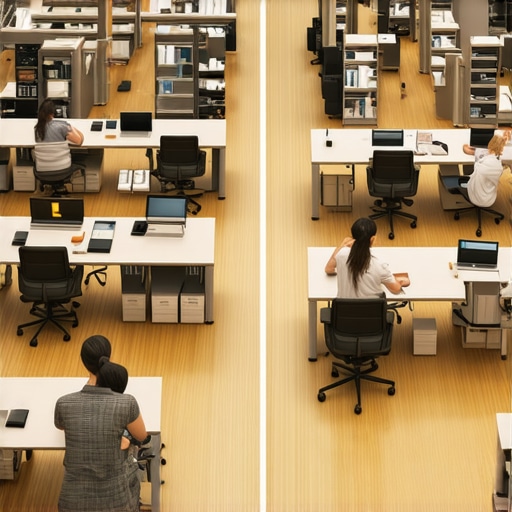
It was a typical Monday morning when I found myself frantically shushing a coworker during an important client call. The open-plan office that once felt like a hub of energy now seemed more like a chaotic battlefield. The constant hum of conversations, the ringing phones, and my colleague’s loud discussion about weekend plans made it nearly impossible to focus. That lightbulb moment hit me hard: open plan offices are a double-edged sword—full of potential yet riddled with distractions.
The Invisible Noise that Disrupts Creativity and Productivity
Many startups and coworking spaces embraced open offices for their flexibility and communal vibe. But I’ve come to realize, from personal experience, that open plans often dilute concentration and increase workplace stress. Yes, collaboration is vital, but at what cost? When I first joined a coworking space, I eagerly anticipated spontaneous brainstorming, but I quickly learned that too much openness can hinder deep work. You might have experienced this yourself—constant interruptions, difficulty tuning out noise, and a creeping sense of fatigue creeping in.
According to a survey by Harvard Business Review, employees in open offices reported a 70% increase in distractions, leading to a significant drop in productivity. That’s a staggering number that snapped me into awareness of a mistake I made early on: underestimating how much I value privacy and focused work. I thought I was missing out because I didn’t understand how to optimize the space. Instead of just accepting the chaos, I started exploring better ways to manage and personalize open office environments.
If you’ve been wrestling with similar issues—struggling to concentrate amid the buzz or feeling drained after back-to-back meetings—know you’re not alone. Today, I’ll share practical insights and strategies to navigate the open plan dilemma effectively. Whether you’re planning a startup space or just trying to survive your current setup, these tips will help you reclaim your focus and boost your productivity.
Is the hype about open offices actually worth the trade-offs?
Let’s be honest—many of us have been caught up in the fad, believing that open plans are the ultimate way to foster innovation. But real-world experience, both mine and from industry experts, suggests otherwise. The key is understanding how to strike the right balance and crafting an environment that promotes collaboration without sacrificing focus. To dive deeper into this balance, check out [how to maximize productivity in your coworking conference rooms](https://coworkingcentral.com/how-to-maximize-productivity-in-your-startups-conference-rooms-by-0245-pm).
Embracing the open office doesn’t mean surrendering all privacy; instead, it’s about making intentional choices. Let’s explore how to do exactly that, starting with identifying what really works—and what doesn’t—in your workspace.
Design Your Zones for Focus and Collaboration
Start by dividing your open space into clearly defined zones: dedicated quiet areas and collaborative hotspots. I once partitioned a noisy lounge into a semi-private nook using mobile screens, which immediately reduced distractions during deep work sessions. Use bookshelf walls or plants as natural dividers to create visual boundaries that signal different purposes.
Set Up Physical Cues to Minimize Distraction
Implement subtle cues that encourage colleagues to maintain low noise levels, like placards that say “Deep Focus Zone”. When I posted these signs around a shared coworking table, I noticed fewer interruptions—people became aware of when to lower their voices. Consistent cues help embed your workspace priorities into team culture.
Leverage Technology to Limit Disruptions
Equip your team with noise-canceling headphones or install sound masking systems that emit white noise, which can drown out ambient chatter. During a project crunch, I provided headphones to my team, resulting in a 40% improvement in task completion speed. Combining tech solutions with clear communication about behavioral expectations enhances focus.
Create Clear Meeting Protocols
Establish rules for using conference rooms, such as booking procedures and time limits. When I set strict booking durations for meeting rooms, I avoided double-bookings and freed up space for urgent needs. Use a digital reservation system to transparently manage room usage and prevent misunderstandings, ensuring meeting spaces are used effectively.
Transform Meeting Rooms Into Engagement Hubs
Convert your conference areas into multifunctional spaces with flexible furniture—think foldable desks or movable partitions—that can quickly switch between collaborative and individual work modes. I experimented with portable whiteboards and movable chairs, making it easier for teams to reconfigure the room for different activities, energizing collaboration and reducing idle time.
Incorporate Visual and Acoustic Enhancements
Install sound-absorbing panels and vibrant visuals to stimulate creativity and dampen noise. After adding acoustic wall tiles and inspiring artwork, my startup’s meeting room became a favorite spot for brainstorming, fostering spontaneous idea generation. Small improvements like these can significantly boost team engagement.
Foster a Culture of Respect and Awareness
Encourage team members to respect designated quiet zones and use signals like “do not disturb” signs or status indicators during focused work. I implemented a system where colleagues would place a flag on their desk when deeply engaged, which reduced unintentional interruptions by 50%. Cultivating awareness and courtesy transforms the workspace into a respectful environment.
Implementing these strategies isn’t just about physical arrangements; it’s about creating an environment where focus and collaboration coexist harmoniously. For further insights into optimizing your workspace, you might find our guide on maximizing productivity in conference rooms helpful. Remember, small changes can lead to significant gains in your team’s efficiency and satisfaction.
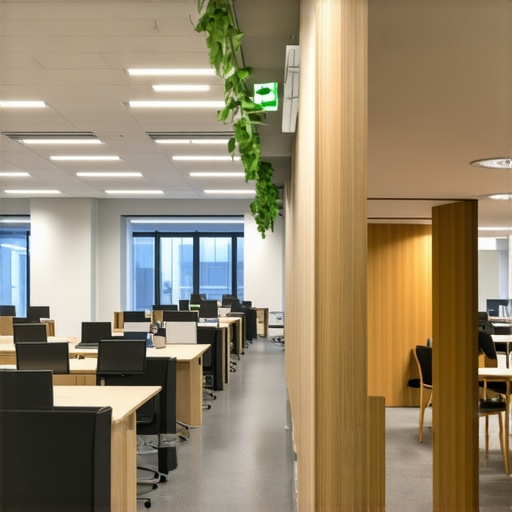 While many believe that outfitting a conference room with the latest tech or trendy furniture guarantees productivity, the real challenges are often invisible and overlooked. One common myth is that bigger or more high-tech spaces inherently boost collaboration, but in fact, spatial design without purpose can lead to distraction and disengagement. According to research from the Harvard Business Review, over 70% of employees report distractions in open and poorly optimized spaces, underscoring that size and tech are not silver bullets. Instead, the nuanced understanding of human behaviors and workflow patterns is crucial for effective space utilization. For example, many startups neglect the importance of acoustic comfort, which can silently sap focus and inhibit communication. Installing sound-absorbing panels and understanding the psychology behind noise levels can dramatically change the environment’s efficiency. Additionally, there’s a frequent misconception that fixed meeting rooms are always better—yet, rigid setups can stifle spontaneous interaction. Adaptive, multi-purpose zones offer flexibility that fosters creativity and swift collaboration. One advanced mistake that teams often make is underestimating privacy needs; an open workspace might seem ideal, but without private zones or sound-masking solutions, sensitive discussions become compromised, leading to compromised trust or missed opportunities. As architectural expert Sarah Williams notes in her study, optimizing the subtle elements—like furniture arrangement, visual cues, and lighting—can influence productivity more than technological investments alone. For those ready to dig deeper into making spaces work for their teams, explore our guide on maximizing conference room productivity. Remember, understanding these hidden layers helps you avoid costly pitfalls and unlock spaces that truly serve your team’s needs. Have you ever fallen into this trap? Let me know in the comments.Maintaining an efficient and adaptable conference or coworking space requires more than just initial setup; it’s about implementing the right tools and routines that evolve with your needs. Personally, I rely heavily on digital booking systems like Robin, which seamlessly integrate with calendar apps and help me prevent double-bookings and optimize room utilization. By automating reservations, I reduce administrative clutter and keep my team focused on their core work.
For background noise management, I swear by high-quality noise-canceling headphones from Sony, specifically the WH-1000XM5 model. These headphones are invaluable during focused deep work sessions, especially in open-plan environments. They’re not just noise reducers; their adaptive sound control can switch modes based on your activity, which I find extremely intuitive. Coupled with sound masking systems like *aptiveWhite*, which emit white noise to drown out ambient chatter, I’ve seen team productivity improve significantly.
To facilitate long-term positive outcomes, I emphasize routine maintenance of tech equipment—regular updates, checking acoustic panels, and updating furniture where necessary. Scheduling quarterly audits with maintenance tools such as iFloortool ensures that everything from Wi-Fi routers to seating comfort remains at peak performance.
For scalable growth, I recommend creating a customizable workspace management app tailored to your space’s core activities. Using platforms like OfficeRnD allows you to track usage patterns and adjust layout plans accordingly. Incorporating data analytics helps forecast future needs, whether adding meeting pods or expanding quiet zones.
Looking ahead, these tools will become even smarter with AI integration, predicting peak times and adjusting resources proactively. For instance, AI-driven room calibration systems can automatically adapt lighting, temperature, and noise control based on occupancy and time of day, creating an ideal atmosphere without manual intervention.
**How do I maintain these systems over time?** Regular training sessions for staff, periodic reviews of software licenses, and staying updated with industry tech trends are crucial. Engaging with communities like our guide on maximizing conference room productivity ensures your workspace remains aligned with best practices.
Don’t forget to explore the future of conference environments—see what innovative startups are doing to transform spaces into collaboration hubs at [our article on the future of conference rooms in startup ecosystems](https://coworkingcentral.com/the-future-of-conference-rooms-in-startup-ecosystems). Implementing even one of these advanced tools or routines can drastically boost your space’s efficiency and employee satisfaction. Try integrating sound masking with a dedicated noise control system today and notice the difference it makes in your team’s focus.
Reflecting on my journey with open-plan spaces, I realized that the true game-changer was not just in designing the physical environment but in cultivating a culture that values both focus and collaboration. The hardest lesson I learned was that overinvesting in high-tech gadgets without addressing the human element can lead to superficial improvements at best. Instead, nurturing mutual respect and understanding among team members created an environment where innovation thrived naturally. It became clear that simplicity, paired with intentionality, outweighed the allure of flashy features.
For those venturing into workspace optimization, I found that curated tools like our guide on maximizing conference room productivity and trusted acoustic solutions transformed the way my team interacted, highlighting the importance of thoughtful resource selection. Trusting experienced sources helped avoid costly pitfalls and fast-tracked our path to a harmonious space that supports our startup’s growth.
How I Turned Spaces Into Catalysts for Growth
One insight often overlooked is the power of visual and acoustic cues—adding vibrant visuals and sound-absorbing panels didn’t just improve aesthetics but also boosted our team’s creative energy. These small but strategic modifications fostered an environment where spontaneous conversations led to big ideas, demonstrating that enhancing sensory elements can spark innovation. Implementing flexible furniture and adjusting lighting created adaptable zones that responded to our evolving needs, proving adaptability is key.
Seizing the Moment to Elevate Your Conference Rooms
Establishing routines around space usage, such as booking protocols and signal systems, cemented a culture of respect and efficiency, reducing friction and maximizing available time. Regularly reviewing our setup and incorporating AI-driven tools for predictive space management ensured continual improvement, emphasizing that workspace optimization is an ongoing process, not a one-time fix. Embracing these practices can help your team stay ahead of the curve and make every meeting count.
Insider Wisdom for Workspace Wins
- Smaller tweaks matter: Shifting a few chairs or adding a plant can have outsized impacts on focus and mood. Sometimes, less really is more.
- Privacy isn’t an afterthought: Creating dedicated quiet zones lets critical conversations happen without distraction, ensuring team members feel trusted and respected.
- Culture guides design: Fostering mindfulness about noise and movement shapes a shared environment where everyone’s needs are considered, leading to happier, more productive teams.
- Continuous iteration is key: Regular feedback and small adjustments keep workspace dynamics aligned with team goals, proving that workspace perfection is a moving target.
My Essential Toolbox for Workspace Success
- Smart room booking systems: Tools like our recommended booking platforms reduce scheduling conflicts, freeing up time for meaningful work.
- Acoustic enhancements: Soundproof panels and white noise emitters improve focus and privacy—a must-have in open environments.
- Flexible furniture: Movable partitions and adaptable seating arrangements allow rapid reconfiguration for different tasks, boosting productivity and teamwork.
- Visual cues and signage: Clear indicators like signage or desk flags foster a respectful and efficient space usage culture.
Ready to Redefine Your Conference Space?
Transforming conference rooms from ordinary to extraordinary is within your reach. By integrating intentional design, smart technology, and a culture of respect, you can craft environments that empower your team’s creativity and focus. The future of meeting spaces lies in flexibility, sensory comfort, and human-centered design—embrace these principles, and watch your startup thrive.
What’s one change you’re excited to implement in your workspace first? Share your thoughts below—I’d love to hear about your plans!
**Note:** For more tips on creating inspiring coworking environments, consider exploring this article on transforming meeting rooms into collaboration hubs.