

I remember the moment clearly. It was 2 p.m., and I had just spilled coffee on my laptop during an intense virtual meeting in my cramped dining nook. The cluttered table, once a cheerful meal space, had become my makeshift office — a place where work and life blurred painfully. That lightbulb flickered on: working from home, especially from your dining table, isn’t just about poor ergonomic setups or distractions. There’s a silent, often overlooked cost—what I now call the “hidden tax”—that subtly chips away at your productivity, health, and even your finances.
Why You Should Care About the Hidden Tax of Working from Home
In today’s startup-driven world, more entrepreneurs and remote workers are turning to their dining tables as their primary workspaces. While it does save money and offers flexibility, this makeshift setup often comes with unseen consequences. For instance, prolonged sitting in uninformed postures can lead to chronic back pain, decreased focus, and even long-term health issues. These aren’t just minor inconveniences; according to a study published in the Journal of Occupational and Environmental Medicine, poor workstation ergonomics can reduce productivity by up to 20%, all while increasing sick days. Recognizing these costs early can mean the difference between thriving in your startup or burning out prematurely.
But it’s not just about physical health. Mental clarity takes a hit when your workspace is cluttered, noisy, or not designed for focus. I made the mistake early on of working amidst my kitchen chaos, telling myself that a flexible setup was enough. Yet, that constant distraction was draining my energy and creativity, ultimately slowing down my progress. Had I known then what I know now about the value of dedicated work environments, I would have invested in smarter space solutions.
Today, I want to guide you through the essentials of mitigating this hidden tax. From choosing better meeting spaces to setting boundaries that protect your well-being, the solutions are within reach. Do you find yourself battling fatigue, distraction, or discomfort during your work-from-home hours? If so, you’re not alone—and the good news is, you can reclaim your workspace to boost your startup’s growth.
Understanding this invisible expense is the first step. Ready to explore how you can keep more of your energy, focus, and finances intact? Great—let’s dive into practical strategies that will transform your dining table from a hidden trap into an asset for your success.
Designate a Dedicated Workspace
Start by carving out a specific area solely for work, ideally away from household distractions. Use a folding screen or a bookshelf to create separation, making it psychologically clear when you’re in work mode. I learned this the hard way during a Saturday when I tried to work at my kitchen island. My wife’s cooking and our kids’ chaos intruded constantly, reducing my focus. Setting up a corner with a desk and ergonomic chair helped me maintain boundaries and improved my productivity significantly.
Optimize Your Meeting Environments
Make your virtual meetings more effective by choosing quiet, well-lit spaces. Use a simple setup with minimal background noise—close windows, silence notifications, and use headphones with a microphone. I once squeezed myself into a cluttered closet with a notebook mic, thinking it was a clever way to minimize distractions. The result was muffled audio and a frustrated client. Later, I invested in an affordable portable backdrop and dedicated a corner for calls, which boosted my confidence and clarity during presentations. Learn about creating effective remote meeting spaces.
Implement Ergonomic Solutions
Invest in a good chair, a desk at proper height, and monitor stands. This mitigates physical strain, especially if you’re spending long hours at your dining table. During a hectic project, I temporarily swapped my dining chair for a second-hand ergonomic one I found online—costing under $100—and immediately noticed less back pain and increased focus. Small ergonomic upgrades can drastically reduce the ‘hidden tax’ of physical fatigue. For more insights, see how ergonomics influence startup productivity.
Establish Routine and Boundaries
Create a daily schedule that clearly defines work hours and break periods. Communicate these boundaries to family members or roommates, so they respect your work times. I make it a habit to start work at 9 a.m. and stop by 5 p.m., using visible signals like a closed door or a specific playlist. This helps prevent work from bleeding into personal time, reducing mental fatigue and stress. An added tip is to step out for short walks or quick stretching during breaks to combat prolonged sitting. Check tips on maximizing productivity.
Upgrade Your Tools and Environment
Use apps and tech that enhance organization and communication. A shared digital calendar, task management tools, and reliable Wi-Fi are essentials. During a hectic week, I adopted a project management app that synchronized with my team, leading to smoother collaboration and fewer misunderstandings. Additionally, consider upgrading your physical environment: bright lighting, noise-canceling headphones, and tidy surfaces can turn your dining area into a more professional and less distracting workspace.
Leverage External Spaces When Needed
Don’t hesitate to move your meetings or work sessions to coworking spaces or quiet cafes when your environment becomes too disruptive. The shift to coworking spaces can feel like upgrading from a cramped garage to a sleek conference room—more professional, inspiring, and conducive to focus. You can explore next-generation coworking spaces that support startups with flexible booking and amenities tailored for high productivity.
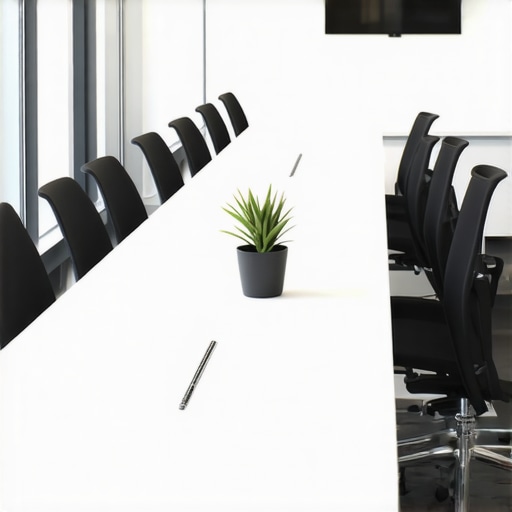 Many entrepreneurs believe that selecting a conference room is as simple as renting the most modern space with the latest tech. However, this misconception can undermine your startup’s growth. In reality, the biggest mistake is treating conference rooms as static assets rather than dynamic tools tailored to your evolving needs. While flashy equipment and sleek decor catch the eye, they often distract from the core purpose: fostering effective collaboration and decision-making.
A widespread myth is that larger, more luxurious rooms automatically lead to better meetings. On the contrary, oversized spaces can create a sense of detachment, reduce intimacy, and inhibit open dialogue—especially in early-stage startups where agility matters most. Research from Harvard Business Review shows that the optimal room size closely aligns with group size; too big or too small hampers communication and engagement.
Furthermore, many overlook the importance of acoustic design. Poor sound quality can ruin even the most well-planned meetings. Forgetting to consider natural soundproofing or investing in quality audio equipment might seem trivial, but it’s an advanced mistake that professionals know can lead to miscommunication and frustration. Using strategic materials and layout can dramatically improve clarity, so be cautious about underestimating acoustic nuances.
Another trap is overemphasizing technology at the expense of usability. Having all the latest gadgets is impressive, but complex setups can cause delays and distractions. An intuitive, easy-to-use tech environment ensures smooth meetings, fostering spontaneity and quick decision-making. According to tech expert insights, simplicity often trumps sophistication in high-pressure startup scenarios.
Could poorly designed meeting spaces be silently throttling your startup’s innovation? Absolutely. An ill-suited environment hampers creativity and hampers team cohesion. That’s why many successful startups are investing in adaptable, activity-focused spaces, like innovative meeting rooms designed to boost creativity. These spaces encourage different types of interactions—brainstorming, deep work, casual catch-ups—and adapt to your team’s needs.
Be cautious of the common mistake of mimicking other startups without considering your unique culture. A flexible layout with movable furniture enables teams to reconfigure spaces dynamically, fostering a sense of ownership and comfort. Don’t fall into the trap of static, one-size-fits-all rooms. Instead, adopt a modular approach that evolves with your business.
Finally, remember that effective meeting rooms aren’t just about physical design—they also involve policies and routines. For example, setting clear guidelines on usage and reservation protocols can maximize efficiency, avoiding conflicts and downtime. Mismanagement here is an advanced pitfall that hampers productivity.
In summary, the nuanced understanding of conference room planning involves much more than surface-level features. It requires a thoughtful approach that balances technology, acoustics, space dynamics, and culture. By avoiding these common myths and traps, your startup can create environments that truly foster innovation and collaboration.
Want to see how tailored spaces can elevate your startup? Check out top coworking spaces designed for innovation and learn how the right environment can make all the difference. Have you ever fallen into this trap? Let me know in the comments.Creating a sustainable and productive workspace for your startup requires the right combination of tools and methods. I personally rely on a few key software solutions and equipment that make a significant difference. First, I use Todoist for task management because its intuitive interface helps me prioritize daily objectives and track progress without feeling overwhelmed. Paired with Notion, I organize project details and meeting notes seamlessly, ensuring everything is accessible and editable in one workspace. For communication, Slack remains indispensable for real-time messaging and quick clarifications, reducing email clutter and keeping conversations contextually organized. I also invest in a quality webcam and microphone setup—specifically, the Logitech C920 and the Rode Lavalier microphone—to ensure clear audio-visual quality during video calls, which minimizes miscommunication during remote meetings. As our team has grown, integrating tools like Calendly has helped streamline scheduling, avoiding the back-and-forth of finding meeting times. Looking ahead, I see AI-powered productivity assistants becoming more integrated into our workflows, automating routine tasks and providing smart suggestions to optimize our time further. To maintain these tools and stay ahead, I review and update my tech stack quarterly, ensuring compatibility and exploring new features that can enhance our operations. If you haven’t yet, try setting up a dedicated dashboard combining these tools—It can transform how you track work and maintain efficiency over the long term.
How do I maintain these tools over time?
Regularly audit your software subscriptions and assess their impact on your workflow. Disable or replace features that no longer serve your goals and stay updated with new integrations or enhancements. Also, invest time in training your team to use these tools effectively, organizing brief weekly check-ins to share best practices. This proactive approach ensures that your workspace remains streamlined, adaptive, and well-suited to your startup’s evolving needs. For example, leveraging automation within Slack or Notion can save hours each week, allowing your team to focus on building your core product. Curious to see how advanced integrations can boost your productivity? Start by linking your calendar with your task manager to get smart reminders—it’s a simple step that yields immediate benefits. Remember, maintaining a well-optimized toolset is an ongoing process, but the payoff is a leaner, more agile operation that scales effortlessly as your startup grows.
Lessons the Conference Rooms Didn’t Teach Me
One of the most profound lessons I learned was that investing blindly in the latest tech without understanding your team’s actual needs can backfire, leading to underutilized resources and wasted budgets. I’ve discovered that overspending on flashy furniture or gadgets often distracts from creating spaces that foster genuine collaboration. The realization that flexibility and acoustic comfort often trump size and high-end finishes changed my entire approach to choosing meeting environments. Additionally, I underestimated how a well-designed space could boost a team’s morale—something that no KPI or revenue number can directly measure but profoundly influences growth. Lastly, I learned the importance of aligning physical space with your startup’s culture—forcing a modern, open layout in a traditionally reserved team can sometimes dampen productivity instead of enhancing it.