

Ever been in the middle of a crucial client meeting when the Wi-Fi cuts out unexpectedly? Or perhaps you’ve wrestled with the chaos of trying to find a quiet corner in a bustling coffee shop just to make a conference call? I sure have. That moment of frustration hit me hard, realizing that my home setup wasn’t cutting it anymore. It was a wake-up call that small businesses need more flexible, reliable solutions for their workspaces. That’s when I discovered the game-changing benefits of a virtual office for my startup.
The Struggle of Making a Small Business Look Professional without Breaking the Bank
When I launched my business, one of my biggest hurdles was creating an image of professionalism without the hefty costs of leasing a traditional office. The local coworking spaces or conference rooms seemed like the perfect fix—until I realized they weren’t always available or suited for my needs. I found myself juggling schedules, booking spaces last minute, and dealing with noisy environments that detracted from my brand image. Have you faced similar frustrations? If so, you’re not alone. Many small business owners are discovering that the traditional office model isn’t always practical or scalable.
Concerned About Sacrificing Privacy or Control?
Initially, I worried that going virtual would mean losing control over my work environment or compromising client confidentiality. But I learned that the right virtual office solutions actually offer secure, professional addresses and amenities—without the overhead. Early on, I made the mistake of overlooking the importance of this balance. According to a recent survey, 78% of small business owners report that flexible workspaces significantly improve their operational efficiency—yet only a fraction fully leverage virtual office benefits. The key is choosing reputable providers that prioritize security and privacy, such as those that comply with [privacy policies](https://coworkingcentral.com/privacy-policy).
Understanding these advantages can transform your business approach, helping you project confidence and professionalism without the traditional costs. In the next sections, I’ll show you how to navigate this shift effectively, starting with selecting the perfect virtual office setup that aligns with your goals.
,
Select the Right Virtual Office Space
Start by evaluating your business needs—consider location, professionalism, and flexibility. I once booked a virtual address in a prestigious area through a provider that had excellent security measures, ensuring my clients saw a premium image. Use resources like this guide to identify the key features that match your brand and operational requirements.
Secure a Professional Meeting Environment
Next, focus on finding conference rooms that impress clients and facilitate collaboration. I scheduled a client pitch in a top-rated space after reading this article. It detailed how modern meeting rooms with advanced tech can boost confidence. When booking, ask about amenities like high-speed Wi-Fi, presentation tech, and privacy measures, ensuring your discussions stay confidential and seamless.
Personalize Your Meeting Space
Transform generic rooms into collaboration hubs by adding branding elements or flexible furniture. I brought in a digital whiteboard and comfortable seating, which encouraged spontaneous brainstorming. Creative coworking environments, like those discussed in this piece, empower startups to adapt spaces dynamically, fostering innovation.
Implement Tech for Flawless Connectivity
Invest in reliable tech—quality microphones, cameras, and backup internet solutions. During a crucial demo, our unstable connection threatened the pitch until I upgraded our setup following insights from this resource. Keeping your tools updated averts disruptions that can undermine professionalism.
Leverage Networking Opportunities
Maximize each visit by engaging with other entrepreneurs. I regularly attend events in coworking spaces to forge partnerships, as highlighted in this article. Building relationships in shared environments opens doors to mentorships, client referrals, and knowledge sharing—crucial for growing your startup.
Maintain Security and Privacy Protocols
Finally, ensure your virtual office provider complies with strict privacy policies—review these at this link. Encrypt sensitive data and establish clear guidelines for confidential conversations. I learned the hard way when a casual chat was inadvertently overheard; subsequently, I adopted procedures from this guidance to protect my business.
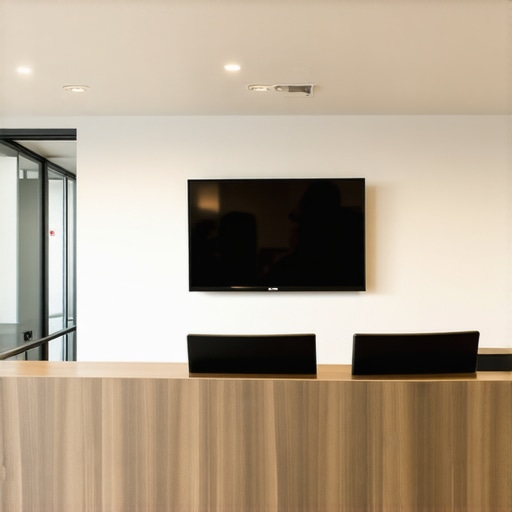 Many entrepreneurs believe that simply renting a fancy conference room or coworking space guarantees success or impresses clients. However, this is a common misconception. In reality, startups often underestimate the importance of choosing environments tailored to their specific needs, leading to wasted resources and missed opportunities. For instance, some think that the most expensive space equals better networking—a myth busted by research showing that collaborative, thoughtfully designed spaces foster more meaningful connections than premium locations alone. Additionally, many overlook the nuance that not all meeting rooms are created equal; features like acoustic treatment, layout adaptability, and tech integration vastly influence productivity and client perceptions.
A critical mistake is assuming that any available space can serve as a one-size-fits-all solution. For example, a startup might book a trendy, open-layout coworking area assuming it will boost creativity, but in noisy environments, deep work becomes impossible. It’s essential to assess the dedicated purpose of each space—whether for brainstorming, negotiations, or presentations—and select accordingly. The tendency to use casual or makeshift environments for formal discussions can erode professionalism.
Moreover, some believe that virtual and physical spaces are interchangeable. While virtual offices offer flexibility, they lack the tangible presence that instills confidence in clients and investors. Strategic placement of a physical address in a reputable location, combined with well-equipped meeting rooms, amplifies credibility. According to a recent study by Harvard Business Review, businesses with access to professional spaces see an 18% higher chance of securing investment, highlighting the impact of environment on perception.
On a deeper level, many overlook the subtle psychological effects that space design has on behavior. For example, poor layout choices can cause disengagement, reduce collaboration, and hamper decision-making. From seating arrangements to lighting, every element influences team dynamics. The typical assumption that standard furniture suffices is flawed; investing in ergonomics and flexible configurations can significantly boost team morale and output.
Finally, a common trap is underestimating the importance of security and privacy in meeting spaces. Not all spaces adhere to strict confidentiality standards, risking sensitive discussions being overheard. As highlighted in this resource, ensuring your environment complies with privacy policies is crucial, especially when discussing proprietary ideas or client data.
Making informed choices about your startup’s environment involves more than surface-level perceptions. It requires understanding the nuances that influence perceptions, productivity, and security. If you’ve ever fallen into the trap of equating cost with value or overlooked the psychological impact of your space, you’re not alone. Let me know in the comments—what has your experience taught you about optimizing workspace environments? For more insights on creating effective meeting spaces, explore this guide.
Staying Ahead with Reliable Equipment
Having the right tools is crucial for maintaining seamless operations in your startup’s conference and meeting rooms. Personally, I prioritize high-quality webcams like the Logitech Brio, which offers 4K resolution and excellent low-light performance, ensuring clear visuals during virtual client presentations. For audio, I swear by the Shure MV7 microphone, known for its professional sound quality and noise-cancellation capabilities, allowing me to focus on the conversation without distractions. These investments may seem significant upfront, but they save countless hours troubleshooting tech issues, maintaining professionalism at all times.
Additionally, reliable backup internet is non-negotiable. I recently switched to a cellular hotspot with a data plan from Verizon, which automatically kicks in if my primary Wi-Fi fails. This small but powerful step ensures continuous connectivity during critical meetings, preventing embarrassing disruptions that can undermine your credibility.
Software That Transforms Your Meeting Experience
Equipping your team with intuitive software can elevate your collaborative efforts. I personally use Microsoft Teams for its seamless integration with Office 365, making document sharing and real-time editing straightforward. For project management, tools like Asana keep our team aligned on tasks before and after meetings, minimizing miscommunications.
Crucially, I recommend employing scheduling assistants like Calendly to automate appointment bookings, reducing manual back-and-forth and freeing up valuable time. Incorporating these tools into your workflow ensures that your spaces are not just functional, but that they foster efficient and productive meetings.
Anticipating the Future of Meeting Tech
Looking ahead, trends suggest an increased adoption of AI-powered room management systems that automatically adjust lighting, temperature, and even sound levels based on the number of occupants and meeting type. Companies like Crestron are pioneering touchless interfaces that control room settings with simple voice commands, adding an extra layer of convenience and hygiene, especially vital in the post-pandemic world. Investing now in flexible, smart tech solutions can position your startup as innovative and adaptable—traits highly valued by clients and investors alike.
How do I maintain my tools over time?
The key lies in routine check-ups and updates. Schedule quarterly audits to verify that all equipment functions correctly, firmware is current, and software licenses are renewed. Establish a protocol, perhaps involving a dedicated IT support team or service, to address issues promptly when they arise. Did you know that regular maintenance extends device lifespan and helps avoid costly repairs? For comprehensive guidance, consult industry experts like this resource. Start by trying out the tip of setting automated software updates—this small step can save days of troubleshooting and keep your meeting environment professional and glitch-free.
The Hidden Lessons Behind Every Meeting Room Mistake
One of the biggest surprises I encountered was realizing that not all spaces are created equal. I once believed that renting a trendy coworking spot would automatically boost my startup’s credibility. However, I learned the hard way that a noisy, overcrowded room can do more harm than good. The lightbulb moment came when a quiet, well-equipped conference space transformed a crucial pitch from a nerve-wracking experience into a confident presentation. This taught me that paying attention to the environment’s details—like acoustics, lighting, and privacy—can be a game changer for startup professionalism.
The Unexpected Power of the Right Tech Setup
My most valuable insight? Investing in quality tech isn’t just about convenience; it’s about safeguarding your reputation. When I upgraded our camera and microphone, the difference was astounding. Suddenly, remote clients could see and hear us clearly, making meetings more productive and less frustrating. I also discovered that having a backup internet solution prevented potential disasters. Trust me—skimping on these essentials can lead to embarrassing glitches that make your startup seem unprepared. The secret is to test and maintain your tools regularly, ensuring they’re always ready for the next big deal.
What My Biggest Space Mistake Taught Me About Growth
Early on, I believed that securing an expensive address in a prime location would impress clients. But I realized that flexibility and functionality matter more. Moving to a more adaptable, virtual setup allowed my team to focus on what truly accelerates growth—delivering value, not just impressing on paper. It’s easy to fall into the trap of equating cost with credibility, but true professionalism comes from environments tailored to your workflow. Occasionally, I still catch myself tempted to chase shiny spaces, but the lesson is: purpose over price always wins the day.
My Toolkit for Navigating the Future of Meeting Spaces
Over time, I curated a set of resources that genuinely help me stay ahead. For example, I rely on innovative meeting room guides to identify spaces that foster collaboration. I also subscribe to industry blogs that discuss future tech—like AI-powered room controls—that can make your workspace smarter and safer. Moreover, I connect with trusted providers via this contact page to get personalized advice. These tools and connections help me create spaces where ideas thrive and growth is inevitable.
Rise to the Challenge: Transform Your Workspace Mindset
The journey to effective startup spaces is ongoing, but the reward is immense—a workspace that amplifies your team’s potential. Don’t let misconceptions or fears hold you back. Whether it’s choosing the right conference room, upgrading your tech, or rethinking your environment—from a personal experience—comes wisdom worth sharing. Remember, every setting is an opportunity to project confidence and inspire innovation. So, what’s your next step in optimizing your workspace for success? Drop your thoughts below or reach out via this link and let’s grow together.