
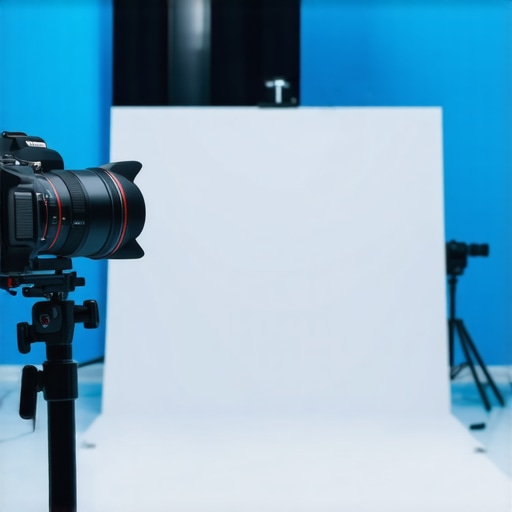
It was a typical Monday morning when I walked into our standard conference room and realized something was wrong. The usual drab beige walls, fluorescent lights, and the muffled echo from the tile floor didn’t just make me feel uninspired—they made me dread any idea I wanted to share. Suddenly, I had a lightbulb moment. What if I could turn this overlooked space into a makeshift studio, even just for an afternoon? The kind of transformation that sparks creativity and makes your team genuinely excited to produce content.
Why Turning a Meeting Room Into a Content Studio Matters More Than Ever
In today’s fast-paced digital landscape, content is king. Whether you’re a startup trying to craft the perfect pitch video or a small team eager to document your product journey, having a dedicated, professional-looking space can be a game-changer. Yet, most of us underestimate the potential of our existing meeting rooms. Instead of settling for shaky camera angles and poor lighting, why not reimagine your space temporarily? It’s surprisingly simple, budget-friendly, and can lead to days of fresh ideas and increased team morale.
Think about it—your conference room could become a hub of innovation. All it takes is a few strategic adjustments and some creative thinking. Plus, creating high-quality content in-house saves a ton of money and gives your team immediate control over your brand storytelling. According to a recent report, 86% of consumers say authenticity is a key factor when deciding to support a brand, which makes the quality of your visual content more important than ever. But, I’ll be honest—early on, I made the mistake of assuming a very basic setup would suffice. The result? Grainy videos and frustrated team members. That’s a mistake I learned from the hard way, and I want to help you avoid it.
Is Building a Content Studio Worth the Effort?
You might be wondering if this quick transformation is actually worth the hype. Well, I can tell you from personal experience that it absolutely is. A dedicated content space in your meeting room can boost your team’s output, improve your brand’s professionalism, and even make internal meetings more engaging. The key is to focus on creating a setup that emphasizes good lighting, clear acoustics, and flexible backgrounds. Curious about how to do this effectively? Keep reading, and I’ll show you the proven steps to turn your ordinary room into a content powerhouse in just an afternoon.
If you’re facing the challenge of making your meetings and content more impactful without investing in a permanent studio, you’re not alone. Many small teams and startups grapple with limited space and budgets. But with a little ingenuity—like exploring tips on choosing the best conference room for your needs or unlocking network opportunities in coworking environments—you can turn everyday spaces into extraordinary assets. Want to learn more about creating a flexible, high-energy environment? Check out this article for inspiration.
No matter your industry, the ability to craft compelling content quickly and effectively is a skill worth developing. So, are you ready to transform your meeting room into a creative hub that drives results? Let’s dive into how you can do it—step by step.
Choose the Right Space and Equipment to Maximize Impact
Start by selecting a room with good natural light or a space that can be easily equipped with quality lighting. Think of your room as a blank canvas—its potential depends on the tools you bring in. When I did this, I first cleared out clutter, then added adjustable LED lights and a portable backdrop stand. Don’t underestimate the power of good lighting—shaky videos or poor angles will diminish your brand image. Invest in a decent webcam or camera—my first attempt used an old phone balanced on a stack of books, which was messy but instructive. That setup helped me learn what type of lighting and framing works best before upgrading.
Optimize Acoustics for Clear Sound and Engagement
Sound quality is crucial—nothing kills engagement faster than muffled audio. My stumbling block was echo from the tiled walls; I solved this with DIY foam panels I crafted from old mattress toppers and fabric. If professional acoustics aren’t feasible, hang blankets or curtains to soften reflections. While recording, I used a simple lapel mic clipped to my shirt, which significantly improved clarity, even during noisy days. Testing sound levels beforehand ensures your audience gets the message, not your echo. Consider positioning the microphone close to your mouth—just like a podcast host—to capture crisp audio without background noise.
Create Flexible Backgrounds for Different Content Styles
A static background can become dull. My solution was to set up a rolling cart with various backdrops—a branded banner, a green screen, and some plants for a natural look. The green screen came in handy to add dynamic visuals in post-production, making the content more engaging. When I had a cluttered bookshelf behind me, it distracted viewers; switching to a clean, neutral background increased focus. Think of your backdrop as telling a story—change it based on the message or audience. This flexibility allows you to produce diverse content without moving furniture or making permanent changes.
Develop a Content Workflow to Save Time and Keep Quality High
Efficiency is key. I created a simple process: set up hardware first, test lighting and sound, then record multiple takes in a session. Batch filming saves time—record several videos in one go—and editing becomes smoother. Using basic editing software like DaVinci Resolve or iMovie, I cut clips, add captions, and insert branding. Keep scripts concise—this minimizes retakes and makes production quick and consistent. Think of your content creation as a factory; streamline each step so you can produce more without sacrificing quality.
Leverage Your New Studio for Consistent, High-Quality Content
Once set up, make your studio accessible for team members to record their segments. This democratizes content creation, making everyone a brand ambassador. I kept the space organized with labeled storage for microphones, lights, and backdrops—like a toolbox ready for any project. Regularly review your setup—upgrading lighting, sound, or backgrounds as you grow. This approach transforms an ordinary meeting room into a powerful content hub that continuously feeds your brand story, boosts internal morale, and engages your audience effectively.
Many entrepreneurs and managers think the biggest mistake in managing conference rooms or coworking spaces is neglecting the physical environment, but there’s a deeper nuance often overlooked: the assumption that equipment and layout alone determine effectiveness. In reality, most people underestimate the importance of social dynamics and cultural cues within these spaces. For example, it’s a common myth that installing high-end tech automatically fosters innovation—yet, studies show that the environment’s psychological safety and the openness of interactions matter far more. Many startups fail to recognize that their spaces might unintentionally reinforce hierarchy or inhibit spontaneous collaboration, especially if they neglect design elements that cultivate trust and inclusivity. An advanced mistake is overlooking the impact of spatial zoning—how different areas serve distinct team needs. For instance, open plan areas might boost casual dialogue, but without private nooks, sensitive discussions become awkward. Connecting this to broader research, a Harvard Business Review article emphasizes that well-designed spaces can significantly boost team creativity and problem-solving skills, but only if they align with social behaviors and organizational goals.
What are the subtle design choices that can unintentionally create barriers to collaboration in coworking hubs?
Recognizing these nuanced pitfalls requires a strategic eye. Incorporate flexible zones, minimize unnecessary barriers, and foster an environment that encourages fluid interaction. Avoid the trap of thinking that tech upgrades solve underlying social friction; instead, focus on cultivating a culture that naturally promotes openness. For more insights on optimizing your workspace’s culture, explore our article on transforming your space into a collaboration hub. Keep in mind, the most effective spaces promote a seamless flow of ideas, both physically and socially. Don’t fall into the trap of neglecting the human element—your environment’s true potential lies in how well it nurtures authentic interactions. Have you ever fallen into this trap? Let me know in the comments.Maintaining an efficient and inspiring conference room or coworking space requires more than just initial setup; it demands careful selection of tools and consistent management. Personally, I swear by the Elgato Key Light Air. Its adjustable brightness and color temperature allow me to set the perfect lighting for any recording or virtual meeting, eliminating shadows and enhancing visual clarity. I use it daily to ensure my video calls and content recordings look professional, which is vital for brand perception. For sound, I rely on the Rode Wireless GO II microphone. Its portability and excellent noise cancellation make my sessions crisp, even in less-than-ideal acoustic environments. This has been a game-changer, especially when spontaneous recordings happen or when others in a coworking space need to broadcast their ideas seamlessly. In my experience, investing in reliable, user-friendly equipment reduces technical frustrations and keeps productivity high over the long term.
When it comes to software, I recommend using OBS Studio for live streaming and recording. It’s open-source and highly customizable, enabling you to mix multiple audio and video sources effortlessly. I personally configure scenes beforehand, so switching between presentations, webcam feeds, and overlays is swift during recordings or live sessions. Regular updates and community plugins help me stay ahead of compatibility issues and add new functionalities. For scheduling and room management, tools like Calendly integrated with your room booking system streamline reservations and prevent conflicts—something I learned by trial and error. Additionally, employing project management platforms such as Notion keeps your setup documentation, maintenance logs, and procedural checklists centralized and accessible. This organization ensures maintenance routines—like cleaning, lighting adjustments, or software updates—are performed consistently, safeguarding your investment.
How do I keep my equipment and systems functioning over the long haul?
Creating a maintenance routine is critical. I set monthly check-ins for hardware inspection, software updates, and room layout assessments. For hardware, I keep a simple checklist: test lighting, audio, and any installed tech; clean lenses and microphones; replace batteries or power supplies as needed. For software, subscribing to updates from manufacturers ensures compatibility and security patches are applied promptly. Building partnerships with trusted local vendors familiar with audiovisual and tech equipment helps minimize downtime and get quick support when issues arise. Also, documenting your setup and maintenance procedures in a shared digital manual, like a Notion page, helps new team members or coworking partners stay aligned. As the trend toward hybrid work continues, integrating remote diagnostic tools and IoT sensors can provide real-time alerts for equipment failures or environmental issues, further reducing long-term disruptions. According to a report by Gartner, proactive maintenance leveraging IoT devices can extend equipment lifespan by up to 30% and reduce operational costs significantly—consider exploring these emerging technologies for a future-proof setup. To optimize your space even further, I suggest trying out automation routines—like scheduling lighting and camera adjustments—to make your sessions smoother and more professional. For more insights, check out this article on maintaining coworking environments effectively.
Lessons That Only Experience Can Teach
- One of the hardest lessons I learned was that DIY setups can sometimes do more harm than good—shaky footage and poor acoustics can undermine your brand image and drain motivation. Investing thoughtfully in lighting, sound, and backgrounds makes a difference that pays off in engagement and professionalism.
- I underestimated how much environment influences creativity. Just rearranging a few elements, like adding a green screen or better lighting, unlocked new ideas and kept my team inspired—all without breaking the bank or making permanent changes.
- Consistency trumps perfection. Developing a simple workflow for filming, editing, and updating content helped my team produce high-quality material regularly, reinforcing our brand and maintaining momentum.
- Social dynamics matter more than tech alone. Creating spaces that encourage open, trust-filled interactions—like flexible zones or private nooks—fosters spontaneous collaboration, something even the best equipment can’t compensate for.
- Maintenance is often neglected but essential. Regular checks, software updates, and organization prevent costly downtimes and ensure your content studio remains inspiring and functional long-term.
Tools and Resources That Changed My Approach
- Elgato Key Light Air: Its adjustable brightness and color temperature have transformed my video clarity, making me look professional during virtual meetings and recordings. Reliable lighting truly elevates your content quality.
- Rode Wireless GO II: A portable microphone that captures crisp, clear sound even in less-than-ideal acoustic environments, minimizing distractions and enhancing message delivery.
- OBS Studio: This open-source software offers unparalleled flexibility for live streaming and recording. Custom configurations allow for quick scene switches, saving time during production.
- Notion: Managing setup documentation, maintenance logs, and procedural checklists in a centralized digital space keeps your content studio organized and ready for continuous improvement.
Don’t Wait for Perfection—Start Now and Elevate Your Content Game
Your conference room has untapped potential. With small adjustments and strategic thinking, it can become a dynamic hub of creativity that drives your startup’s growth and brand recognition. The best time to begin transforming that space is today—embrace experimentation, learn from each session, and watch your content and team flourish. If you’re ready to take the next step, consider exploring more ideas on creating collaborative environments. How will you redefine your meeting space to inspire innovation? Let me know below.