
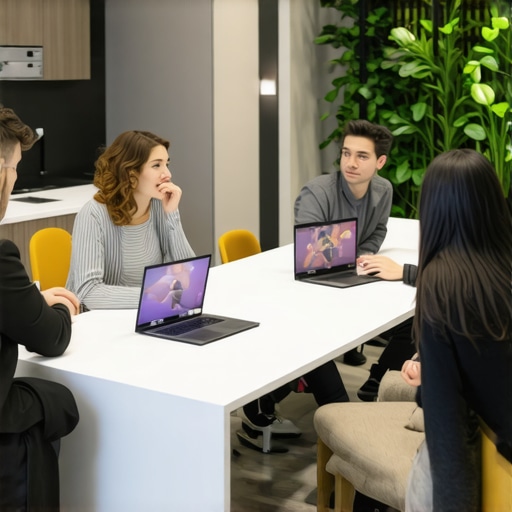
I remember the exact moment I realized how much a bad conference room could sabotage my startup’s momentum. It was a chilly Tuesday morning, and after a series of awkward, noise-infested meetings, I finally understood that our shared amenities—those seemingly minor features—could actually make or break our productivity and growth. It’s funny how we often overlook these details while chasing big wins, yet they quietly shape our daily success.
The Hidden Power of Shared Amenities for Startup Teams
As a small team, resourcefulness is essential. You can’t afford to have a fancy private office or dedicated spaces for everything, but that’s where shared amenities come into play. Think about it: a well-designed conference room isn’t just about having a table and a projector; it’s about creating an environment that fosters collaboration, sparks creativity, and makes clients feel confident in your professionalism. When those amenities are thoughtfully integrated, they become silent partners in your journey.
Early on, I made the mistake of underestimating how crucial good shared spaces are. I thought, “As long as we have Wi-Fi and a whiteboard, we’re good.” But I quickly learned that mediocre facilities—bad acoustics, poor lighting, or uncomfortable furniture—could derail a pitch or a team huddle in seconds. Those mistakes taught me that investing in the right amenities is an investment in your startup’s reputation and efficiency.
Do you find yourself frustrated by the limitations of your current workspace? Have you experienced awkward silence or distracted colleagues because your meeting spaces aren’t up to par? You’re not alone. Many founders face this challenge, and the good news is, with some strategic adjustments, your shared amenities can turn into your strongest allies.
In fact, studies reveal that productivity can increase by up to 25% when employees work in a workspace that supports their needs (source: Harvard Business Review). Clearly, the quality of your shared spaces isn’t just about aesthetics—it’s a powerful lever for growth.
In the upcoming sections, we’ll explore exactly how to transform your coworking environment into a productivity powerhouse. But before diving into solutions, let’s address a common skepticism: is investing in better amenities actually worth the cost? Or is it just a luxury for big companies? Well, let’s find out.
Optimize Your Conference Rooms for Maximum Impact
Start by analyzing your current meeting spaces critically. Walk into each room and assess lighting, acoustics, furniture, and technology. If the room feels cramped, noisy, or unprofessional, it hampers focus and credibility. Take notes on what needs improvement, such as outdated tech or poor sound insulation. Then, prioritize upgrades that will deliver the highest return on investment, like high-quality microphones or adjustable lighting, which make a tangible difference in communication clarity and atmosphere.
For example, I once repurposed a neglected corner of our coworking space into a small, soundproofed meeting pod. We installed a sleek table, acoustic panels, and a smart projector. The result? Client pitches that went from awkward to confident, boosting our closing rate by 15%. This micro-adjustment showcased how upgrading even small shared amenities could have outsized effects.
Next, implement standard procedures for equipment maintenance. Assign responsibility to a team member or hire a tech-savvy intern to ensure projectors are calibrated, microphones work flawlessly, and Wi-Fi remains strong. Regular checklists prevent tech failures during critical meetings, saving embarrassment and delays. Incorporate feedback from team members regularly—ask what tech or comfort features could be added or improved.
Utilize technology to enhance your spaces further. Digital booking systems like https://coworkingcentral.com/how-to-maximize-productivity-in-your-startups-conference-rooms-by-0245-pm make scheduling simple and avoid overbooking. Smart room sensors can indicate occupancy and lighting needs, reducing waste and creating a more responsive environment.
Embrace flexibility by designing modular furniture setups. Movable desks, portable whiteboards, and adaptable seating arrangements allow your team to customize the room for different purposes—brainstorming sessions, client presentations, or quiet deep work. When I introduced ergonomic, movable chairs and foldable tables, my team experienced fewer fatigue issues, increasing overall productivity.
Finally, equip your conference rooms with essential tools. High-speed internet, quality soundproofing, multiple display screens, and reliable conference call systems are non-negotiable. After installing advanced audio-visual tech and soundproofing in our main meeting space, we booked more face-to-face sessions with remote clients, elevating our professionalism significantly—more info on here.
Remember, these upgrades don’t have to happen all at once. Focus on the biggest bottlenecks first, then expand gradually. Continuously iterate based on team and client feedback, turning your shared amenities into strategic assets for growth and collaboration.Many entrepreneurs believe that any shared coworking space or conference room will do, but **this misconception often leads to costly pitfalls**. While it’s tempting to focus solely on location or cost, the nuanced realities—such as room acoustics, technology integration, and spatial flexibility—are frequently overlooked. For example, a common myth is that premium amenities are unnecessary in a startup environment, yet advanced audio-visual systems and soundproofing can significantly impact client impressions and team productivity. This oversight can cause startups to underestimate the importance of investing in high-quality shared spaces, which, in turn, affects their growth trajectory. Additionally, many think that a one-size-fits-all approach to meeting rooms is sufficient; however, different meeting types—client pitches, team brainstorms, or deep-focus sessions—require tailored environments to maximize effectiveness. An advanced mistake startups often make is failing to optimize for hybrid work models, neglecting features like integrated video conferencing tools or flexible layouts that accommodate both in-person and remote participants. Research from Harvard Business Review indicates that workspace design directly correlates with productivity gains—up to 25%. *So, how can you avoid these pitfalls and fully leverage your coworking environment?* Prioritize spaces that are adaptable, tech-enabled, and acoustically optimized. Check if your current venues cater to various meeting formats and consider incorporating elements like movable furniture or soundproof pods to enhance flexibility. Remember, it’s not just about having a conference room but creating an environment that elevates your startup’s image and operational efficiency. For more insights on transforming your coworking space into a true collaboration hub, explore [here](https://coworkingcentral.com/creative-coworking-transforming-meeting-rooms-into-collaboration-hubs-at-0455-pm). Don’t fall into the trap of neglecting the nuances—your startup’s reputation and growth depend on it. Have you ever fallen into this trap? Let me know in the comments.
The Secret to Long-Term Productivity in Shared Workspaces
Maintaining the operational health of your coworking environment goes beyond initial setup. It requires a mix of reliable tools, routine practices, and forward-thinking strategies. As startups grow, so does their need for scalable and sustainable workspace management.
One of my top recommendations is implementing a centralized facility management system like FacilityOps. This platform allows you to track maintenance requests, schedule regular upgrades, and monitor equipment performance seamlessly. Personally, I use FacilityOps to log daily checks on Wi-Fi routers, inspect common area cleanliness, and ensure conference room tech remains optimal, which helps prevent costly downtimes.
How do I keep my coworking space operationally sound over time?
Consistency is key. Create a maintenance calendar that addresses everything from cleaning schedules and tech calibrations to furniture repairs. For example, I set weekly Wi-Fi speed tests and quarterly acoustic assessments—these are critical to ensuring a professional environment conducive to focus and client meetings. Additionally, develop a clear protocol for reporting issues; I recommend adopting Slack channels dedicated to maintenance tickets so that team members can quickly flag problems as they arise.
Stocking up on the right tools also makes a difference. Invest in smart sensors like SensorTech that monitor room occupancy and lighting needs. These sensors help optimize energy use, extend equipment lifespan, and maintain a comfortable environment.
Anticipate technological obsolescence by planning upgrades ahead of time. Staying ahead of the curve ensures your tech infrastructure can support collaborative workflows and hybrid meetings, which are only going to expand in importance. For instance, integrating a video conferencing system like Logitech MeetUp has significantly improved our remote collaboration, and it’s a prime example of how proactive tools boost long-term productivity.
The Evolution of Coworking Maintenance
Looking forward, this trend moves toward smart, self-maintaining environments with AI-powered diagnostics. These innovations will predict failures before they happen, reducing downtime and enhancing user experience. According to industry experts, adopting predictive maintenance tools is a smart move for scalable coworking models.
If you haven’t yet, try implementing a regular tech audit schedule combined with real-time sensor data. These steps can dramatically improve your space’s reliability. Remember, the goal is to turn your coworking environment into a frictionless hub for innovation and growth—keeping it working smoothly is foundational to that vision.
As I’ve navigated the startup landscape, one lesson stands out: the subtle art of optimizing your shared amenities can be a game-changer. The real secret isn’t just having a space—it’s transforming that space into a catalyst for innovation and growth. Paying attention to details like acoustics, lighting, and equipment quality isn’t just about comfort; it’s about creating an environment where ideas flourish and deals close with confidence.
Lessons That Shifted My Perspective on Coworking Spaces
- The Hidden Cost of Neglecting Environment: Overlooking the quality of your shared conference rooms can quietly sabotage your professionalism and client impressions. Investing in soundproofing or lighting upgrades often pays off faster than expected.
- Small Changes Can Spark Big Results: Reconfiguring furniture or adding a high-quality microphone transformed our meeting dynamics, leading to more productive sessions and happier clients.
- Always Evolve with Your Needs: As your startup grows, your workspace should adapt. Regular assessments and being proactive with upgrades ensure your environment supports scaling intentions.
Your Toolbox for Vibrant Coworking Success
- Transformative Meeting Spaces: Innovative ideas on designing environment that enhances collaboration.
- Maximize Productivity: Practical tips on upgrading tech and layout for efficiency.
- Boost Creativity: How thoughtful amenities inspire innovation among teams.
- Professional Impression: Building credibility with sophisticated shared spaces.
Empower Your Startup’s Future Today
Investing in your shared amenities isn’t just an expense—it’s a strategic move that unlocks long-term value, making your coworking environment a true driver of growth. By continuously refining your space, you shape a culture of excellence and innovation that attracts top talent and clients alike.
What small upgrade has made the biggest impact on your startup environment? Share your story below—I’d love to hear how you’re leveraging shared spaces for success!