
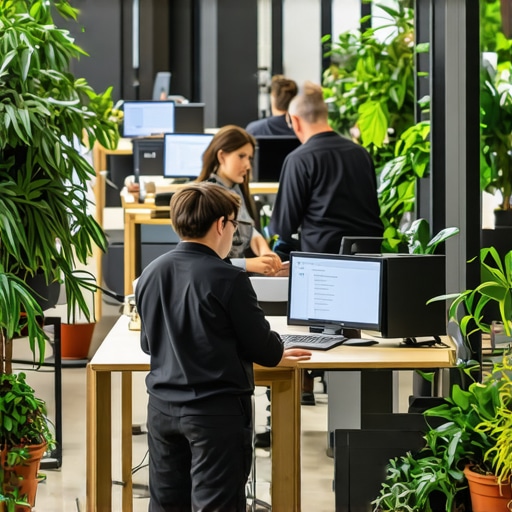
I remember the moment clearly—midway through a crucial client call, I was shielded behind a makeshift cardboard fortress, trying to block out the relentless noise of co-workers collaborating, arguing, and sometimes just chatting loudly about their weekend plans. It hit me then: this open office chaos wasn’t just a minor annoyance; it was threatening my startup’s productivity and my sanity.
The Real Cost of the Open Office Grind
In many startup hubs, open-plan offices are celebrated as fostering transparency and collaboration. But the reality? They often turn into auditory nightmares. I soon realized that my biggest challenge wasn’t just about finding a quiet corner—it was about surviving in an environment designed for noise and distraction. The constant interruptions sapped my focus, slowed down decisions, and even sapped my motivation.
The good news? I discovered strategies that transformed the chaos into a manageable, even productive, environment. Today, I want to share those insights with you, based on my personal experience and on what I’ve learned along the way. Whether you’re stuck in a noisy coworking space or a bustling open office, these tips will help you carve out your zone of clarity.
Is Privacy Overhyped?
Early in my journey, I made a costly mistake—believing that a few noise-canceling headphones would solve all my problems. Sure, they helped a bit, but I still struggled to concentrate, especially during those spontaneous chatter sessions that seemed to pop up everywhere. I learned that relying solely on personal gadgets is a recipe for continued frustration, and it’s a mistake I don’t want you to repeat. Instead, creating physical and psychological boundaries is essential. For more innovative solutions, check out how some startups are customizing their coworking environments to improve focus and collaboration—like transforming meeting rooms into dedicated brainstorming zones. Discover how to maximize your workspace here: maximize your coworking productivity.
Create a Dedicated Focus Zone
Identify a specific part of your coworking space that offers natural or manageable noise levels. This could be a corner with fewer foot traffic or a secluded area. When I needed to concentrate during a launch planning session, I found an underused lounge tucked behind a bookcase, which became my personal retreat. Mark this spot clearly for yourself to develop a mental association of “work zone.”
Optimize Your Meeting Rooms for Attention
Choose conference rooms that promote privacy and reduce noise contamination. Features like soundproof doors and strategic location matter. For instance, I booked a windowless room, which minimized outside distractions, and equipped it with a portable whiteboard and reliable connectivity—making it ideal for intense brainstorms or confidential calls. Use these tips to select and set up effective meeting spaces.
Designate Tech and Material Boundaries
Implement physical cues to signal when you’re focusing. Use headphones, a visible sign, or even a closed laptop cover. During a particularly hectic day, I started wearing noise-canceling headphones with a visible “do not disturb” sign when I needed undisturbed work time. This method helped colleagues respect boundaries, even in open shared areas.
Leverage Sound Masking Strategies
Introduce white noise, ambient music, or dedicated noise-canceling systems to cover distracting sounds. In my experience, playing gentle background music in the focus zone significantly reduced ambient chatter. Some coworking spaces install sound masking systems that emit neutral frequencies—research suggests these are highly effective. Consider innovative sound solutions for your environment.
Set Clear Communication Protocols
Inform your team about when and where conversations should take place. Use designated areas for phone calls or quick chats to prevent noise bleed. I introduced a “quiet hours” policy during critical project phases, which greatly enhanced concentration. Reinforce these protocols gently but consistently, fostering a culture of respect for focused work.
Use Visual Cues and Signaling
Employ visual indicators such as signage or signal flags for colleagues to know when you’re unavailable. During intense coding sprints, I used a simple red card to indicate “Do not disturb,” which cut down on unnecessary interruptions, much like a traffic light. Adapt these cues to fit your team’s culture and space.
Seek External Quiet Areas
Don’t hesitate to venture outside your immediate coworking environment for quiet zones. Nearby cafes, library rooms, or even parked cars (with proper safety measures) can serve as alternative focus spots. I once escaped to a nearby park’s quiet corner during a crucial webinar preparation, which proved surprisingly effective. Exploring these options can be part of your overall strategy.
Involve the Community
Promote awareness and collective respect for quiet zones within your coworking space. Organize informal discussions or signage campaigns highlighting the importance of focus-friendly environments. Initiating such conversations helped my team understand and support individual work needs, contributing to a more productive shared space.
While many assume that selecting a premium coworking space or a fancy conference room automatically boosts productivity and professionalism, the reality is far more nuanced.
Why Do The Best Spaces Sometimes Fall Flat?
Contrary to popular belief, the most expensive or well-designed meeting rooms don’t guarantee superior results. In fact, many startups waste resources on flashy spaces that don’t align with their team dynamics or client expectations. The secret? Understanding that the effectiveness of a workspace hinges on specific, often overlooked factors such as acoustics, layout adaptability, and privacy levels. For example, a recent study from Harvard Business Review emphasizes that environmental comfort directly influences concentration and decision-making under pressure, yet most teams neglect customizing their spaces accordingly (source). Recognizing this nuance can prevent costly mistakes and elevate your startup’s professionalism.
Common Myths That Can Hurt Your Strategy
Many entrepreneurs believe that booking the most popular conference room or the trendiest coworking spot instantly signals credibility. However, in my experience, such spaces can sometimes be noisy, overcrowded, or poorly equipped, creating distractions rather than fostering focus. The true priority should be a room that meets your specific needs—be it high-speed connectivity, soundproofing, or flexible layout options. Here’s how to vet your meeting environment effectively. Additionally, there’s a misconception that larger spaces inherently support better meetings, but overly spacious rooms can feel impersonal and diminish team cohesion, which is critical for startups looking to foster tight-knit cultures.
Beware the Hidden Trap: Over-Reliance on Space Features
One of the most subtle pitfalls is equating tech-savvy, beautifully designed rooms with productivity. For instance, a conference room with the latest gadgets might seem impressive but can turn into a nightmare if the AV setup malfunctions or the room’s acoustics cause echo issues. Invest time in testing these aspects beforehand; a minor glitch can derail crucial negotiations. To avoid such pitfalls, consider comprehensive space evaluations. Remember, technology should serve your team, not hinder it. Ultimately, the best spaces adapt to your workflow, not the other way around.
So, what should you focus on beyond surface-level features? Think about the room’s adaptability for various meeting styles, privacy for sensitive discussions, and environmental comfort for extended sessions. These hidden details can make or break your startup’s reputation and efficiency. As you plan your next move, ask yourself: Am I choosing spaces that genuinely support my team’s unique needs, or am I falling for surface-level allure? Have you ever fallen into this trap? Let me know in the comments.
Maintaining an efficient coworking or conference environment is crucial for startup success. I personally rely on a set of specific tools that streamline operations and ensure long-term productivity. For instance, I use **Robin** for reserving meeting rooms—it’s seamless and integrates with our calendar, reducing double bookings. When I need real-time feedback on room availability, Robin’s dashboard provides instant clarity, preventing the annoying scramble for spaces. Additionally, **Otter.ai** has revolutionized our meeting notes; it records conversations, transcribes them instantly, and allows sharing with remote team members, keeping everyone aligned and reducing miscommunication. I’ve also adopted **Asana** for task management related to workspace logistics—whether it’s scheduling cleaning or equipment upgrades, workflows stay organized and transparent.
For ongoing maintenance, I schedule bi-weekly audits of our conference rooms and coworking zones, tracking wear and tear via a simple Google Sheets tracker. This helps us identify recurring issues early, like faulty projectors or furniture deterioration, which can be costly if ignored. For scaling, I recommend investing in modular furniture and portable tech solutions, enabling you to adapt space layouts as your team grows. The future of startup workspaces appears to be hybrids, with flexible environments benefiting from apps like **Milanote** for collaborative planning and **Lucidchart** for diagramming processes—tools that foster creativity and clarity.
How do I maintain these tools over time? Regular training sessions and dedicated point persons keep everyone updated and engaged. For example, I host monthly workshops on using new workspace apps—this maintains high adoption rates. Additionally, I set up automated backup and update routines, ensuring software stays current and secure. An emerging trend I see is integrating IoT devices within coworking spaces, allowing automated adjustments to lighting, temperature, and even booking systems, which significantly reduces manual oversight.
To truly keep your workspace effective, try deploying a centralized management system combining reservation, communication, and maintenance tools. For instance, integrating Robin with Slack and Otter.ai ensures everyone is in sync without multiple apps clogging workflows. It’s a game-changer for scaling operations efficiently, especially when teams are remote or dispersed. For more insights on future workspace innovations, check out the future of conference rooms in startup ecosystems. Want to optimize your environment today? Start by setting up an automated maintenance schedule and see how seamless operations can become.
Looking back at those early struggles in noisy coworking spaces taught me that designing a workspace isn’t just about aesthetics—it’s about fostering focus, collaboration, and growth. The real breakthrough came when I understood that personalization and intentionality in workspace choices can dramatically boost a startup’s agility and resilience.
Lessons That Changed My Approach to Workspaces
- One silent corner can become your most valuable asset; don’t overlook the power of a well-chosen refuge amid chaos.
- Investing in adaptable furniture and technology can turn any space into a tailored environment that evolves with your team’s needs.
- Building a culture that values respecting focus zones is more impactful than any expensive gadget or sleek design—it’s about shared discipline and mutual understanding.
- Recognizing the limitations of beautiful but impractical spaces saved us from costly mistakes and helped us prioritize functional comfort.
- The importance of proactive space management and regular evaluations became the backbone of maintaining efficiency as we scaled.
Tools and Resources That Shaped My Strategy
- Robin has been instrumental for seamless meeting room reservations, reducing scheduling conflicts, and optimizing space utilization—trustworthy and easy to integrate.
- Otter.ai transformed our meeting documentation, enabling real-time transcriptions that keep our remote team aligned—my go-to for clarity and accountability.
- Asana keeps our space-related tasks organized, from maintenance schedules to space upgrades, ensuring nothing slips through the cracks.
- To stay ahead, I follow thought leadership about the evolving workspace trends—it’s essential to adapt to the future of startup environments.
Your Blueprint for a Better Workspace Journey
The path to an optimized startup workspace is continuous, shaped by your team’s unique needs, evolving goals, and the ever-changing landscape of coworking innovations. Embrace the challenges as opportunities to refine your environment—every adjustment brings you closer to a space that not only supports but actively accelerates your startup’s vision. Remember, your workspace should be a reflection of your ambitions and a catalyst for your team’s greatness.
What’s the next step you’re willing to take to make your workspace work harder for your startup? Share your thoughts below and let’s build better environments together!