

I remember the first time I hosted a startup meetup, feeling excited but quickly realizing I underestimated how chaotic things could get. The room was too noisy, some seats remained empty, and I hadn’t prepared for the tech glitches that suddenly appeared. It was one of those lightbulb moments that hit hard—hosting an event isn’t just about choosing a date and sending invites.
Soon after, I discovered that many hosts fall into common traps that turn what should be an enjoyable gathering into a stressful ordeal. The good news? With a solid checklist and a bit of insider knowledge, you can turn your meetup into something attendees actually look forward to. Today, I want to walk you through the essential steps I’ve learned from my own mishaps and successes, to ensure your next event hits all the right notes.
Why Do So Many Meetups Miss the Mark?
In my early days, I thought simply picking a popular cafe or co-working space would do the trick. But I overlooked a crucial aspect—how the environment influences engagement and comfort. It turns out, not every space is created equal, and many organizers waste time and money on venues that don’t foster connection. For example, a poorly chosen meeting room with bad acoustics or inadequate seating can doom networking efforts before they even begin.
The real issue lies in understanding what makes an environment conducive to productive, enjoyable interactions. When you get this right, not only will your attendees stay longer, but they’ll also leave with a positive impression—and more likely to return or recommend your event.
To put this into perspective, a study by Harvard Business Review shows that the right environment can boost collaboration and creativity by up to 50%. That’s a game-changer when you’re trying to build a community or showcase your startup.
If you’ve ever hosted an event where everyone seemed distracted, uncomfortable, or simply ready to leave early, you’re not alone. I made that mistake early on, choosing spaces based on convenience rather than suitability. It took a few failed attempts to understand that the quality of the environment can make or break your meetup.
Now, with a clearer picture in mind, I’m excited to share the checklist that has helped me craft memorable gatherings. Whether you’re planning your first event or looking to improve your current process, these insights will help you avoid common pitfalls and create an atmosphere that people genuinely enjoy.
Let’s dive into how to select the perfect venue and set the stage for engaging, successful meetups.
Pinpoint Your Needs Before Booking
Start by listing your meetup goals—networking, pitching, workshops—and match these with the venue features. For example, if your goal is deep discussion, opt for a space with acoustics that prevent echoes and muffled voices. I once booked a popular cafe expecting bustling energy but ended up with loud ambient noise that drowned out conversations. To avoid this, always prepare a checklist focusing on size, acoustics, Wi-Fi quality, and amenities.
Scout the Space Like a Pro
Visit potential venues during similar hours to your event. Check for natural light, seating arrangement, and overall vibe. When I was planning my first startup workshop, I visited a coworking space that looked perfect online but felt sterile and uninviting in person. Seeing the actual environment prevented future disappointment. Use a benchmarking checklist or ask for virtual tours if available, and pay attention to details like power outlets and breakout areas.
Verify Tech Readiness and Connectivity
Ensure the space has reliable, high-speed internet—crucial for presentations and live demos. Test the Wi-Fi connection on your device. I neglected this once, assuming modern coworking spaces always had solid connectivity, only to find the Wi-Fi was painfully slow—jeopardizing my pitch. To prevent this, speak with the manager and request a speed test report or bring your own portable hotspot as backup. Also, confirm availability of tech equipment like projectors, screens, and adapters; these are often overlooked but vital.
Assess Comfort and Layout
Choose a layout fostering engagement—round tables for discussion or open space for mingling. Comfort counts: chairs should be ergonomic, not just stylish. I made the mistake of selecting a venue with hard, uncomfortable seating, which distracted attendees. When touring, sit in different chairs, check lighting, and note how easy it is to move around. If possible, negotiate flexible seating arrangements or reserved areas for breakout groups.
Create an Atmosphere That Stimulates Networking
Elements like decor, music, and even scent influence attendee interaction. Bright colors and art can energize the room. I once hosted a startup pitch night in a space painted in dull gray; energy was low. Switching to a more vibrant environment mid-event boosted engagement. Consider adding branded signage, snacks, or interactive stations. Make sure the environment encourages spontaneous conversations, turning attendees into a community rather than strangers in a room.
Plan for Accessibility and Convenience
Check location ease, parking, and transport options. A venue too remote or with limited nearby parking can discourage attendance. I lost attendees because of poor location choices—an easily accessible venue dramatically increases participation. Also, revisit policies on makeshift setups, catering, and room capacity to ensure a smooth experience. For more tips, explore how to choose the perfect conference room.
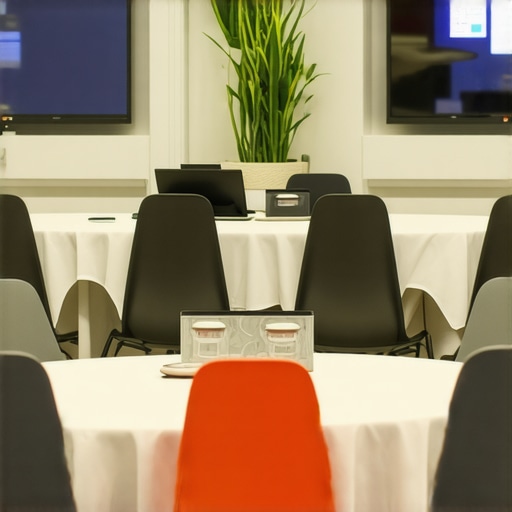 Many founders and workspace planners operate under common assumptions about conference rooms and coworking environments, but digging deeper reveals nuanced pitfalls that can undermine productivity and culture. One prevalent myth is that larger, equipped spaces inherently foster better collaboration. However, research from Harvard Business Review indicates that space size alone doesn’t guarantee engagement; layout, acoustics, and ambient considerations are equally critical. For example, many startups overspend on fancy tech and plush furniture, assuming these attract talent, but neglect that poor acoustics or uncomfortable seating can lead to disengagement and fatigue, no matter how high-end the environment appears.
Are All Conference Rooms Created Equal for Creativity and Focus
The truth is, the design and atmosphere of a conference space profoundly impact participant focus and innovation. An overly sterile room with bad lighting or uncomfortable chairs can kill momentum, while a thoughtfully designed space with natural light, appropriate acoustics, and adaptable layouts can energize teams. While some believe that high-tech gadgets are the main ingredient, studies suggest that psychological aspects, like environmental comfort and vibe, are more influential. For startups, this means investing beyond tech—consider the ambiance and setup to maximize value. Beware of the “flashy” trap: a room that looks modern but isn’t flexible or soundproof can hamper meetings. Instead, seek spaces with smart, ergonomic setups that promote open discussions and serendipitous interactions, as highlighted in innovative meeting rooms. The mistake is to focus solely on aesthetics or tech without evaluating environment suitability.
What Lies Beneath the Surface of Coworking and Shared Spaces
For startups, coworking spaces often promise community and flexibility, but the hidden nuances can trip you up. Not all environments are equally conducive to deep work or confidential discussions. Noise levels, privacy, and accessibility matter greatly, yet many neglect these factors when choosing a space. Furthermore, a common assumption that more networking opportunities automatically mean better growth is flawed—without deliberate design, these environments can become noisy and distracting, hurting productivity. The key lies in understanding space design and community culture. A well-curated coworking environment balances openness with privacy, fosters serendipity without chaos, and offers quiet zones for intense work. For comprehensive insights, check out the future of conference rooms. To avoid these traps, perform an audit of your workspace’s acoustics, layout, and community policies, ensuring they align with your startup’s core needs. Remember, a space that seems perfect on paper may require rethinking to truly support your growth. Have you ever fallen into this trap? Let me know in the comments.Maintaining a professional and functional conference setup is crucial for ongoing success in startup environments. One tool I personally swear by is **Logitech’s MeetUp** video conferencing camera, which offers exceptional clarity and wide-angle coverage. It ensures every participant, whether remote or in-room, remains engaged without the frustration of poor video quality. Pair this with **Zoom Rooms** software—I’ve found it reliable and intuitive for scheduling, screen sharing, and recording sessions—integrating seamlessly with hardware through straightforward setups. For real-time collaboration, **Miro** has become indispensable. I use it to map out agendas and capture ideas visually during meetings, which keeps everyone aligned and fosters creative thinking.
To keep our tech stack running smoothly, I perform weekly **system audits**—checking firmware updates, connectivity, and equipment backups. I also prioritize establishing **standard operating procedures (SOPs)** for hardware troubleshooting, which reduces downtime and keeps meetings on schedule.
Long-term results depend heavily on **consistent calibration** of your environment. I routinely run acoustics tests using **Room EQ Wizard**—a free software that measures and analyzes sound quality—helping me identify and rectify issues like echo or background noise. An environment that maintains acoustical balance, proper lighting, and ergonomic furniture saves time and improves overall productivity.
Looking ahead, I predict that **wireless tech integration** will dominate small business meeting rooms, with faster, more reliable connectivity becoming standard—a trend supported by advances in Wi-Fi 6E. This evolution will streamline setup times and reduce clutter, making scaling easier.
### How do I maintain these tools and environments over time?
The key lies in regular reviews: schedule monthly check-ins to ensure hardware is functioning optimally, firmware is up-to-date, and the environment remains conducive to focus. For instance, routinely verify your internet speed with tools like **Speedtest** to avoid surprises during critical meetings. Additionally, stay informed about the latest innovations in collaboration tech by following industry updates from sources like **Coworking Central**.
Don’t just set and forget—invest in training your team on equipment and protocols. This proactive approach minimizes disruptions and ensures your space remains reliable as your startup grows.
Remember, the difference between a good and a great meeting environment can hinge on the small details. I encourage you to implement a bi-monthly check of your conferencing tools, starting with a quick firmware update or acoustics test—an easy step that pays off enormously in smoother, more productive meetings.Through countless hosting experiences, I learned that the biggest breakthroughs often come from unexpected challenges—like discovering that a simple chairs arrangement could either spark lively debate or induce discomfort. One of my most vivid lessons was realizing that the true value of a conference room isn’t in its size or tech but in its ability to make people feel heard and comfortable. That insight transformed my approach from focusing on flashy gadgets to designing environments that promote genuine connection and focus. I discovered that investing in acoustics and lighting can dramatically improve engagement, often more than splurging on high-end equipment. I’ve also come to appreciate that a space’s vibe influences not just meetings but the entire startup culture; when environments foster creativity, teams are more motivated and resilient. These lessons taught me that a thoughtful conference room setup isn’t a luxury—it’s a strategic tool that boosts innovation, trust, and growth. Don’t overlook the power of environment; sometimes, the smallest adjustments unlock the biggest opportunities for your startup.