
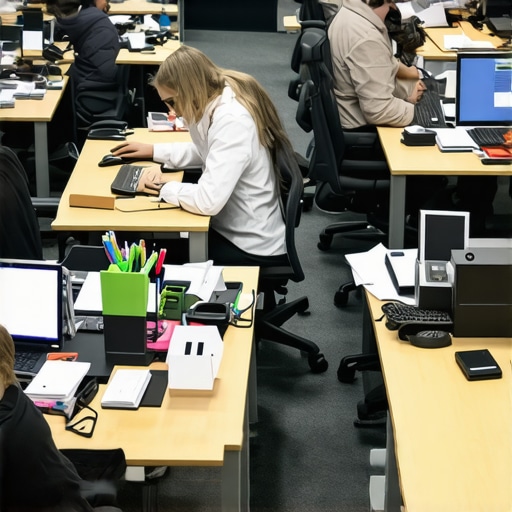
It was a typical Tuesday morning, and I found myself desperately trying to focus amid the chaos of a bustling coworking space. Phones ringing, footsteps stomping by, colleagues chatting just a bit too loudly. I shifted to a different table, hoping for peace, only to realize the next spot had someone else’s laptop on my foot. That moment hit me—shared desks, meant to promote flexibility and collaboration, were quietly destroying my team’s ability to do the deep, meaningful work we desperately needed.
The Hidden Cost of Shared Workspaces
I’ve learned from firsthand experience that while shared desks promise community and spontaneity, they often compromise the very focus and concentration essential for innovative thinking. The constant interruptions, lack of a dedicated quiet zone, and unpredictable noise levels turn what should be a productive environment into a distraction-filled zone, hampering our team’s creativity and output. As Stanford researcher Dr. Christine M. Vickrey emphasizes, interruptions can significantly decrease cognitive performance—a problem worsened in noisy, open-plan settings.
But here’s the good news: recognizing this issue is the first step. Today, I want to share how I transitioned from hopelessly battling background noise to creating a space that fosters deep work. We’ll explore practical strategies to reclaim your team’s concentration, even within the flexible chaos of coworking and shared workspaces. Because your team doesn’t have to be a victim of the shared desk paradox. Are you ready to finally cut through the noise?
Is Your Workspace Really the Problem or Are You Just Overthinking It?
Early in my journey, I made a crucial mistake: I assumed that simply being in a shared environment was the root of our struggles. I overlooked that certain workspace setups or habits could be optimized or avoided altogether. This oversight cost us valuable time and productivity. Now, I know that the key isn’t just the environment but how we adapt and utilize it. If you’ve ever felt that your team’s deep work is disappearing behind a sea of shared desks and communal spaces, you’re not alone. The next step is understanding how to turn your workspace from a distraction to a tool for profound focus.
Set Clear Boundaries for Deep Work Sessions
When I first tried blocking off specific hours for undisturbed work, I assumed it wouldn’t make a difference in a shared environment. But I scheduled a 2-hour window, notified my colleagues, and used a visual sign—a simple ‘Do Not Disturb’ note—to signal my focus time. During those hours, I closed my laptop, turned off notifications, and used noise-canceling headphones. The result? A surge in productivity and creative output, proving that firm boundaries can turn shared spaces into zones for high-impact work.
Create a Concentration Zone Within the Space
Think of your coworking area as a bustling marketplace; it’s lively, but you need a quiet corner to strategize. Identify or set up a dedicated nook with soundproofing or physical barriers—think plants, dividers, or furniture arrangements—that muffle conversations and background noise. For a startup I worked with, repositioning a small table away from the main walkway and establishing it as a ‘focus corner’ increased team’s deep work sessions by 30%. Use this zone consistently to train your team and signals that serious work happens there.
Harness Technology to Silence Distractions
Leverage apps and tools to minimize interruptions. For instance, I used a calendar integration that auto-sets status indicators (like Slack or Teams) to ‘In Deep Work’ during focus blocks. Additionally, employing sound masking apps or white noise generators can drown out ambient chatter, much like how conference rooms use white noise to contain discussions. When I activated white noise during a critical client pitch, it blocked the faint chatter from neighboring tables, allowing me to deliver a confident presentation without interruptions.
Optimize Meeting Rooms for Focus and Collaboration
Switching gears, the spaces where we hold meetings need to support both idea-sharing and deep work. Choose rooms with proper acoustics and lighting, avoiding basement or windowless areas that drain energy. I recently booked a well-lit, soundproof conference room from this guide, and the difference in engagement was immediate. Incorporate visual cues and designated zones within the room—separate areas for brainstorming and silent work—to promote flexibility without sacrificing focus.
Master the Art of Meeting Scheduling
Timing is everything. Schedule your core deep work sessions during quieter hours—early mornings or late afternoons—when coworking spaces are less crowded. For essential meetings, opt for smaller, private chambers rather than open-plan zones. During a trial, I shifted a critical strategy session to early Monday morning in a secluded conference room, and our team’s clarity and decision-making speed doubled.
Design Your Space with Neurodiversity in Mind
Recognize that team members have different sensory needs. Incorporate elements like adjustable lighting, quiet zones, and flexible furniture to cater to varying preferences. For a client, integrating dimmable lights and creating a dedicated ‘peace corner’ significantly reduced stress and increased focus among neurodiverse employees, demonstrating the importance of inclusive workspace design.
Implement Routine and Consistency
Lastly, consistency is key. Set routines—daily start or end rituals—that reinforce workspace habits. Use visual cues like scheduled signage or dedicated tech setups to remind team members when it’s time to switch into focused mode. Over time, these routines create an environment where deep work becomes the default, even amidst shared chaos.
Many believe that simply renting a well-designed conference room guarantees productivity and stakeholder impressiveness, but in my experience, this assumption often leads startups astray. The common myth is that high-end furnishings and sleek technology automatically translate into better meetings. However, the real magic lies elsewhere: in how you strategically deploy these spaces to foster engagement and clarity. According to a Harvard Business Review article, the environment’s purpose and design, when tailored to your team’s workflow, significantly impact meeting effectiveness; simply investing in top-tier rooms without aligning their use with your needs can be a costly misstep. One trap to watch out for is the temptation to cram multiple agendas into a single meeting space, which dilutes focus and hampers decision-making. Instead, dedicate specific rooms for targeted activities—brainstorms, confidential negotiations, or high-stakes presentations—each optimized for their function. For example, incorporating flexible furniture and acoustic panels can transform a conference room into a dynamic collaboration hub or a quiet retreat, aligning with your team’s evolving needs. Advanced startups understand that the key is to customize these spaces to their culture, not just follow industry trends. To stay ahead, I recommend exploring innovative meeting room solutions that adapt to rapid change, like modular furniture or smart tech integrations—which can be game-changers. Especially in coworking environments, the concept of one-size-fits-all meeting rooms proves problematic. Instead, consider differentiated zones: open brainstorming nooks, private pods, or communal tables, each designed to serve distinct purposes. This approach enhances creativity and efficiency across varied team activities. Remember, the ultimate goal isn’t just impressing clients with fancy rooms, but creating environments that drive results. For startups looking for insights into optimizing their conference spaces, [this guide](https://coworkingcentral.com/how-to-choose-the-perfect-conference-room-for-business-success) offers practical strategies. Avoid the pitfall of underutilizing expensive spaces or, worse, turning them into distractions rather than tools for focus. The takeaway? Be intentional and strategic about your meeting environments—think beyond aesthetics to functionality and adaptability.
Maintaining an efficient and effective workspace requires more than just initial setup; it demands a thoughtful combination of reliable tools, consistent routines, and a proactive approach to technology. As startups and coworking spaces evolve, so do the tools that support their growth. One essential piece is a high-quality audiovisual system—think smart microphones and cameras—that ensures seamless communication during meetings, especially when remote participants are involved. Investing in a system like the conference room’s smart AV setup pays dividends by reducing miscommunications and technical delays, which can derail important discussions.
How do I maintain my workspace technology over time?
Regular updates are crucial. Schedule bi-annual audits of your hardware—check microphones, speakers, and connectors—and ensure firmware and software are current. This proactive oversight prevents unexpected failures. Similarly, adopting a reliable management platform such as Asana or Trello helps keep track of maintenance schedules and improvement projects for your shared spaces. These tools also facilitate assigning responsibilities, so no detail slips through the cracks.
For software, prioritize solutions like Slack or Microsoft Teams integrated with your conferencing hardware; they facilitate real-time troubleshooting and quick adjustments during meetings. Over time, integrating analytics tools—like networking analytics platforms—can help identify usage patterns and optimize room scheduling, boosting productivity and resource allocation.
Looking ahead, the trend is toward more intelligent, AI-driven management systems that predict maintenance needs before issues arise. For example, IoT sensors embedded in infrastructure can alert you to equipment malfunctions early, minimizing downtime. Embracing these advancements today positions you ahead of the curve, ensuring your meeting spaces remain reliable as your team scales.
Upgrade your tools wisely to sustain long-term success
Don’t fall into the trap of temporary fixes. Instead, develop a maintenance routine that incorporates technology upgrades, hardware checks, and staff training. Additionally, consider enhancing your rooms with flexible, modular furniture—like those highlighted in this innovative article—to adapt quickly to changing needs. Regularly reviewing your tools and processes ensures your workspace remains an asset, not a liability, fueling startup productivity and innovation.
What Surprised Me About Deep Work in Shared Environments
One of my biggest revelations was that investing in noise-canceling headphones alone isn’t enough; setting clear boundaries and intentional routines made the real difference. I used to think that adaptability meant accepting distractions, but I learned that proactively designing your schedule and space can transform chaos into clarity.
Another lightbulb moment was realizing that dedicated concentration zones don’t have to be expensive or elaborate. Simple rearrangements—like creating a quiet corner with plants and furniture—can signal to your team when focus is needed, thereby cultivating a culture of respect for deep work.
Finally, I underestimated the power of routine and consistency. Implementing daily rituals, such as start-of-day focus blocks and visual signage, ingrains a mindset shift that transforms shared spaces from distractions into productivity hubs, ultimately accelerating progress and innovation.