

Last month, during a crucial pitch in a bustling coworking space, I sat in a conference room that felt more like a sound echo chamber than a place to make deals. My nerves were already frayed, and the poor acoustics only added to the chaos. That moment was a lightbulb for me: the room’s environment can make or break your message. If you’re like me, juggling meetings across different cities and spaces, you’ve probably faced similar frustrations—bad lighting, noisy neighbors, or a lack of privacy—these little things can derail your big ideas.
Adapting to Diverse Environments: Why Your Meeting Space Needs to Evolve
Working in five distinct cities revealed a startling truth: there’s no one-size-fits-all for conference rooms. Each location has its own vibe, quirks, and limitations. But one thing remained constant—if your meeting environment isn’t up to par, your professionalism, creativity, and even your relationships suffer. According to a recent report, poorly designed meeting spaces can reduce productivity by up to 20%. That’s huge! It prompted me to reflect on what I could control and how I could make each space work for me. If you’ve ever felt like your meetings are more about managing your environment than focusing on the content, you’re not alone. So, what can we do?
Feeling Skeptical? Is Investing in Better Spaces Really Worth It?
I used to think that upgrading a conference room was a luxury rather than a necessity—until I made a costly mistake early on. I booked a last-minute meeting space without checking the acoustics or lighting. The result? Distractions, miscommunications, and a loss of credibility that I had to work hard to regain. That early mistake taught me a crucial lesson: quality spaces don’t just impress clients—they bolster confidence and clarity, ultimately impacting your bottom line. You might wonder if it’s worth the extra effort or expense to find or create better spaces. Well, consider how much time and energy you lose when your environment hinders your message.
For tips on how to select the perfect meeting spots that impress clients and boost your team’s productivity, check out this guide on [how to choose the right conference room](https://coworkingcentral.com/how-to-choose-the-perfect-conference-room-for-business-success). And if you’re curious about transforming your workspace into a hub of innovation, there are great insights on [how creative coworking spaces drive collaboration](https://coworkingcentral.com/creative-coworking-transforming-meeting-rooms-into-collaboration-hubs-at-0455-pm).
Now that we’ve set the scene, let’s explore the practical steps you can take to ensure your conference rooms become powerful tools for success, no matter where your team is meeting.
Choose Locations Wisely and Set Clear Objectives
Start by selecting meeting spaces that align with your goals, much like picking the right stage for a performance. Before booking, define the purpose of the meeting—whether it’s brainstorming, decision-making, or pitching—and choose a room that supports that purpose. I once scheduled a casual catch-up in a formal boardroom, which felt out of place and dampened the energy. Afterward, I realized that the environment should amplify your message, not hinder it.
Optimize Physical Conditions for Engagement
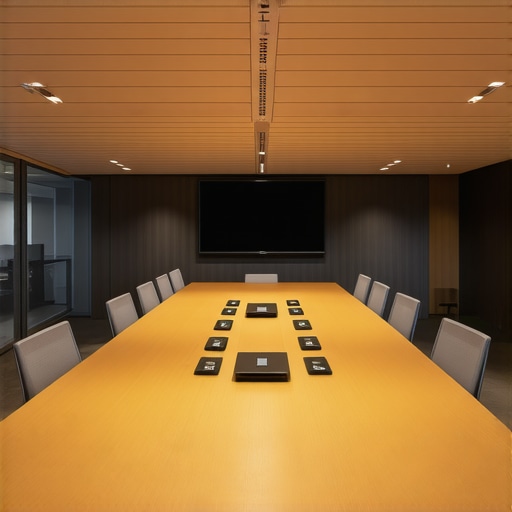
Address acoustics, lighting, and furniture—these are the building blocks of a conducive environment. Consider acoustics as the room’s ears; poor sound quality is like talking in a canyon. I once fixed this by installing temporary sound-absorbing panels and was astonished at the immediate boost in clarity. Use adjustable lighting to prevent glare or dimness—bright enough to stay alert but not harsh. See how lighting impacts workspace energy. Ensure furniture is comfortable and adaptable; replace a squeaky chair and suddenly, focus improves.
Leverage Technology to Enhance Communication
Invest in reliable AV equipment—microphones, cameras, and stable Wi-Fi—to prevent technical glitches that break your flow. Last month, I hosted a remote client presentation where poor audio nearly ruined the deal. Afterward, I upgraded the tech and tested it thoroughly before each meeting. A quick tech vetting process saves a lot of stress.
Create a Dynamic Layout for Collaboration
Rearrange tables and seating to encourage interaction. The traditional U-shape fosters discussion, while clusters promote teamwork. I once moved a large conference table into smaller sections mid-meeting, which unexpectedly sparked innovative ideas among the team. Consider portable whiteboards or digital screens for brainstorming sessions. Transform your space into a collaboration hub.
Sanitize and Personalize the Environment
Maintain cleanliness to create a professional vibe; add personal touches like plants or artwork to foster comfort. During a remote workshop I led, a colleague brought succulents, which made the room feel more inviting and relaxed. Keep essentials like water and stationery handy—small comforts that impact focus.
Implement Feedback Loops for Continuous Improvement
Regularly solicit input from attendees about the environment and make adjustments. After a series of sessions, I realized noise levels were a problem, so I introduced noise-canceling panels. This iterative approach turned a mediocre space into a preferred meeting spot. Use quick surveys or informal chats to gather insights.
Many professionals operate under the misconception that selecting a well-equipped or modern conference room automatically guarantees a successful meeting. However, this overlooks the nuanced ways in which common assumptions about meeting spaces can backfire. For instance, the belief that larger rooms always foster better collaboration is misleading; oversized spaces often lead to disconnection and a lack of intimacy, reducing participant engagement. Studies suggest that room size should align with the expected attendee count to optimize interaction. Furthermore, a widespread myth is that technology alone can salvage poorly designed environments. In reality, high-quality tech cannot compensate for poor acoustics or uncomfortable furniture, which remain critical barriers to effective communication. An advanced mistake many overlook involves neglecting the psychological impacts of room layouts and decor. Colors, lighting, and furnishings influence mood and openness, subtly affecting the quality of discussions. For example, overly sterile environments can dampen creativity, while too casual settings may diminish perceived professionalism.
Are Modern Conference Rooms Properly Addressing Neurodiversity and Attention Spans?
Increasing awareness about neurodiverse teams highlights that standard meeting spaces often fall short for those with sensory sensitivities. Bright lighting, echoing acoustics, or cluttered surroundings can hinder focus for some participants. Incorporating flexible layouts, adjustable lighting, and acoustic treatments can make spaces more inclusive and boost overall productivity. Ignoring these nuances risks alienating valuable team members or clients and undermining collaboration. According to a study published in the Journal of Environmental Psychology, thoughtfully designed spaces that consider diverse cognitive needs significantly improve engagement and outcomes. To truly modernize your meeting approach, consider not only the physical setup but also the psychological comfort of your space. Want to maximize your meeting rooms’ potential? Explore ideas on [creating adaptive, innovative spaces](https://coworkingcentral.com/creative-coworking-transforming-meeting-rooms-into-collaboration-hubs-at-0455-pm). Remember, effective environments are about much more than equipment—they’re about understanding and addressing the hidden nuances of human interaction. Have you ever fallen into this trap? Let me know in the comments.Maintaining optimal functionality in your meeting spaces is crucial for sustained productivity and professional image. Over the years, I’ve tested various equipment and software to streamline operations and ensure smooth meetings. One area I focus on is reliable audio-visual technology; investing in high-quality microphones like the Shure MXA910 or the Rode Wireless GO II has personally transformed my remote and hybrid meetings by drastically reducing technical glitches. Additionally, I swear by advanced room scheduling software such as Robin or Teem, which not only prevents double bookings but also provides analytics to optimize space usage—this aligns with the trend toward data-driven coworking environments detailed in [Coworking Spaces Unlock Innovation](https://coworkingcentral.com/coworking-spaces-unlock-innovation-top-meeting-rooms-of-2025-at-1123-am). To keep everything running seamlessly, regular maintenance is essential. I schedule quarterly audits of all tech, including checking firmware updates and testing backup systems. Implementing a simple checklist for weekly cleaning, quick tech checks, and furniture adjustments ensures environments stay inviting and functional over the long term. Predicting where this is headed, I believe automation will play an increasingly vital role—think IoT sensors that monitor environmental conditions or smart scheduling bots—making these processes even more hands-off. How do I maintain these systems over time? I recommend establishing routines for technology updates, staff training, and user feedback collection, so issues are caught early before disrupting your workflow. Curious about more advanced strategies? Try integrating a centralized control system, such as Control4 or Crestron, that manages lighting, climate, and AV equipment from one interface—this not only enhances user experience but also prolongs equipment lifespan. To see the full potential of your meeting spaces, consider exploring innovative solutions on [creating a more collaborative coworking environment](https://coworkingcentral.com/creative-coworking-transforming-meeting-rooms-into-collaboration-hubs-at-0455-pm). Regularly reviewing and upgrading your tools keeps your spaces agile, ensuring they adapt to your evolving needs and future-proof your investments.
Over the years, I realized that the most overlooked aspect of a successful meeting isn’t the agenda or the presentation—it’s the environment itself. The subtle cues from a thoughtfully designed conference room can inspire innovation, foster trust, and elevate your professional image in ways that tech or décor alone cannot achieve. One lightbulb moment for me was understanding how room psychology influences participant engagement more than any high-end equipment. Small adjustments, like seating arrangements or lighting warmth, have the power to shift dynamics dramatically. If you’re aiming to turn your meeting spaces into strategic assets, embracing these insider lessons can give you the edge you need.