
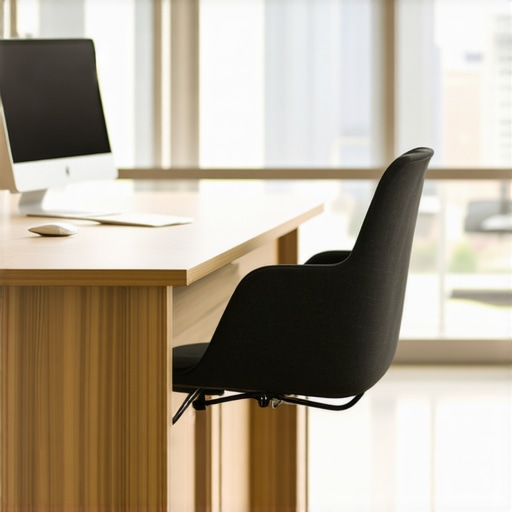
I remember the first time I tried to dive into my work from a battered kitchen table, laptop balanced on a stack of cookbooks. My back screamed after just ten minutes, and my focus? Nearly impossible to sustain. That painful moment was a lightbulb flickering on—my morning routine was sabotaged before it even started. It wasn’t the alarm clock or the coffee; it was the setting itself. I realized that the space where I began my day profoundly impacts my productivity, my mindset, and even my overall well-being. And that’s when I started to question: am I setting myself up for success or quietly sabotaging my efforts? Today, I want to share how investing in a professional desk and a real chair transformed my mornings—and how it can do the same for you.
Creating a Morning Environment That Sets the Tone
Is Your Work Setup Really Worth the Hype?
Many of us underestimate the importance of a dedicated workspace, especially at the start of the day. I made a common mistake early on—believing that a quick setup with whatever furniture was at hand could suffice. Spoiler: it didn’t. Studies have shown that ergonomic and dedicated work environments boost focus and reduce stress levels. In fact, according to a report by the Harvard Business Review, poor workspace ergonomics contribute to over $25 billion in lost productivity annually. That’s a staggering amount just because of uncomfortable chairs and makeshift desks.
Having a professional desk and an ergonomic chair doesn’t mean you need a fancy or expensive setup. It’s about creating a space that signals, “This is work time.” I found that when I sit at my sturdy, dedicated desk with my supportive chair, my mindset shifts. I’m more alert, more prepared to tackle the day, and less prone to the afternoon slump. Plus, it’s a clear physical boundary between rest and work, which is essential for mental health.
If you’re still working on your setup, consider the importance of a space that promotes good posture and minimizes distractions. Need some ideas on how to choose the right furniture? Check out this [guide on selecting the perfect conference room](https://coworkingcentral.com/how-to-choose-the-perfect-conference-room-for-business-success). Even small changes can make a big difference.
Are you currently facing this problem in your own morning routine? Many of us don’t realize how much our environment influences our productivity until we upgrade. Next, I’ll show you how to make optimizing your workspace a straightforward process—so you can start each day confidently, knowing your environment supports your goals.
Choose the Right Space for Your Needs
Start by selecting a dedicated area that minimizes distractions and supports your work style. Think of your workspace as a personal command center—like a pilot selecting a cockpit with all necessary instruments within reach. I once set up my desk in a corner of my living room, but the constant noise made focus impossible. I moved to a quiet spare room and added soundproofing; the difference was immediate. Consider proximity to natural light, outlets, and quiet zones. If your home lacks a suitable spot, explore coworking options; they offer professional environments that can boost your focus and creativity. Want to see top coworking spaces? Check out how coworking fosters networking and innovation.
Invest in Ergonomic Furniture
Comfort is key. Choose a sturdy desk that fits your workflow—think of it as the foundation of your physical and mental stability. Pair it with an adjustable, supportive chair that encourages good posture, reducing fatigue and potential injuries. I bought an ergonomic chair after experiencing back pain, and it transformed my mornings. You’ll want to prioritize adjustable height, lumbar support, and breathable fabric. Budget-friendly options exist that don’t sacrifice quality. Proper furniture setup helps maintain energy levels and prevents discomfort from derailing your productivity.
Optimize Your Tech for Seamless Workflow
Ensure your technology setup is reliable. High-speed internet, a quality webcam, and crisp audio equipment are non-negotiables. When I first started working from home, I neglected my internet connection; during crucial calls, I faced constant lag and dropped audio. I upgraded to a business-grade internet plan and tested my setup before important meetings—game changer. Keep cables organized with clips or trays to prevent clutter. Test your tech in advance to avoid embarrassing delays—and consider backup options like mobile hotspots. Clear and dependable tech smooths out your workflow, letting you focus on ideas rather than technical glitches.
Create a Visual and Auditory Calm
Visual clutter and noise are productivity killers. Use simple, calming decor and eliminate unnecessary distractions. Think of your workspace as a Zen zone—rather than a chaotic control tower. I started with a plain desk, a small plant, and minimal decor, which helped me maintain concentration. Use noise-canceling headphones if necessary, especially if ambient noise emerges. Lighting matters too—prefer natural light or soft, warm artificial lighting that reduces eye strain. A peaceful environment promotes focus and reduces mental fatigue.
Establish a Routine and Boundaries
Set clear work hours and communicate boundaries to family or roommates. Treat your workspace just like a traditional office—you wouldn’t work in pajamas all day at a corporate job. When I first started, I thought working flexible meant irregular hours, but establishing a routine helped me switch into work mode and wrap up efficiently. Use visual cues, like a closed door or a specific sign, to signal when you’re unavailable. Consistency reinforces your workspace as a productivity zone and prevents work from bleeding into personal time. Remember, a well-defined routine amplifies the benefits of your physical setup.
Many assume that simply renting a large or well-equipped meeting room guarantees productive discussions, but in reality, the true challenge lies in optimizing the space for collaboration and innovation. A common misconception is that high-end tech or flashy decor alone can boost creativity, yet studies show that the environment’s design and arrangements have a more significant impact. For example, a 2019 report from MIT highlights how layout and acoustics influence team synergy more than raw technological features. Overlooking these nuances often leads startups to invest heavily in meeting spaces that don’t deliver expected results, creating what I call the “oops” trap—believing that more expensive or advanced spaces automatically produce better outcomes. Instead, focus on thoughtful design: natural lighting, flexible furniture, and soundproofing enhance focus and engagement. Don’t fall into the trap of equating size with productivity; a small, well-designed room can outperform a sprawling, poorly configured one. Have you ever fallen into this trap? Let me know in the comments.
Why do many startups waste resources on flashy meeting rooms that underperform?
The real secret is matching your space with your team’s specific needs. For example, employing movable partitions and writable surfaces fosters spontaneity and brainstorming. Interestingly, coworking spaces that innovate with adaptable environments—like transforming meeting rooms into collaboration hubs—see increased tenant satisfaction and higher usage rates. Check out how these spaces are transforming traditional meeting concepts by exploring this article on innovative coworking environments. Moreover, the future of conference rooms in startup ecosystems suggests a shift toward hyper-flexible spaces that accommodate hybrid models, emphasizing that a one-size-fits-all approach no longer works. To maximize your space’s potential, consider consulting experts to tailor your environment—like those at Coworking Central—who can guide you in designing rooms that foster creativity and productivity. Remember, the goal isn’t just impressing visitors but creating an ecosystem where ideas thrive.Maintaining an efficient, scalable meeting environment is crucial for startups and coworking spaces aiming for long-term success. One of my go-to tools is **Asana**, which I use to assign, track, and manage maintenance tasks for the physical and digital aspects of our meeting rooms. Whether it’s scheduling regular cleaning, tech checks, or furniture updates, structured task management ensures nothing falls through the cracks. For communication, I rely on **Slack**, creating dedicated channels for facilities, tech support, and scheduling, so team members can promptly report issues or request adjustments. Regular check-ins via Slack threads help catch emerging problems before they escalate.
I also use **SweetHaven**, a service managing routine equipment calibration and cleaning, to optimize long-term performance of audiovisual gear and HVAC systems—extending their lifespan and reducing unexpected breakdowns. In terms of technology, investing in **UptimeRobot** allows continuous monitoring of your Wi-Fi and conference room AVs, alerting you immediately if a connection drops or a device malfunctions. Such proactive monitoring prevents disruptions during critical meetings.
Looking ahead, the trend points toward AI-powered maintenance systems that predict issues before they happen, saving costs and downtime. For example, predictive analytics can analyze usage patterns and sensor data to suggest maintenance schedules.
**How do I maintain my meeting rooms over time?** Establishing a regular maintenance routine paired with smart monitoring devices is key. Consider scheduling bi-weekly checks for Furniture and tech, and utilize IoT sensors for real-time alerts. For instance, a recent study highlights how IoT sensors can reduce equipment downtime by up to 30% when paired with predictive analytics (source: TechCrunch, 2024). I recommend trying to implement at least one smart monitoring solution—it’s a game-changer.
For those interested in transforming traditional meeting spaces into hubs of innovation, don’t hesitate to explore programs like this resource on innovative meeting rooms. Remember, maintaining your environment isn’t a one-and-done task; it’s an ongoing process that, when managed well, keeps your space functioning optimally for growth and collaboration.
Lessons That Changed My Perspective on Meeting Rooms
One of the biggest realizations I had was that investing in quality meeting spaces isn’t just about aesthetics; it’s a strategic move that influences clarity, confidence, and collaboration. I once thought that the latest tech or a trendy design would do the trick, but I learned that deliberate space design—like proper acoustics and lighting—has a tangible impact on decision-making and team morale. Embracing this shifted my approach from viewing rooms as mere utilities to seeing them as vital assets in my startup’s growth journey.
Also, I underestimated the importance of routine maintenance and proactive tech checks. Ignoring small issues led to costly disruptions. Now, I schedule regular audits and leverage tools like smart monitoring systems to stay ahead. These habits have saved time, reduced stress, and ultimately enhanced our professional image.
Lastly, I realized that the environment shapes your team’s mindset daily. A well-lit, organized, and calming conference room sets the tone for impactful meetings. When I revamped our space, not only did creativity spike, but so did our ability to close deals and forge partnerships. The environment truly becomes an invisible teammate that works tirelessly in your favor.
Tools and Insights That Keep My Spaces Sharp
For any startup aiming to optimize meeting environments, I recommend exploring innovative coworking concepts that turn ordinary rooms into dynamic hubs of creativity. Additionally, books like The Creative Office by Scott Doorley broaden your understanding of space utilization and psychological impact, shaping how you design for productivity. And for ongoing management, professional consultation services can tailor solutions specific to your startup’s evolving needs.
Your Next Step Starts Today
Remember, upgrading your meeting rooms is more than an aesthetic choice—it’s an investment in your startup’s future. Don’t wait for problems to surface; proactively craft environments that inspire, motivate, and facilitate success. Your startup’s growth depends on it—so why not start now? Share your experiences or questions below, and let’s build better spaces together!