
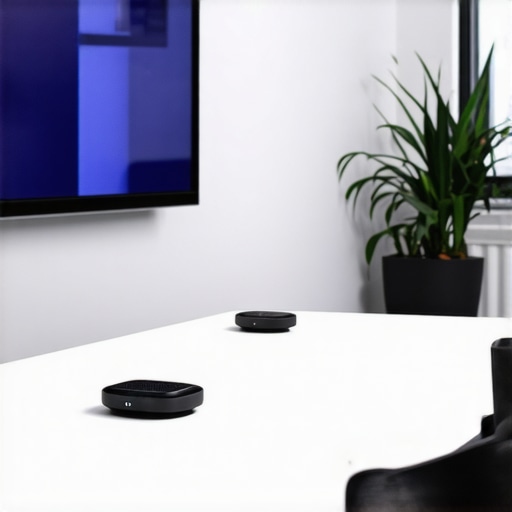
Have you ever been in a crucial meeting, only to be interrupted by a tangled mess of cables snaking across the floor or a malfunctioning projector refusing to connect? I remember the frustration vividly—just last month, I watched a key investor walk out of a presentation because our tech setup was a nightmare. That moment was a real eye-opener for me about how much conference room technology—and its clutter—can impact your startup’s credibility and efficiency.
The Hidden Costs of a Cluttered Conference Room
Is Your Tech Game-Ready to Impress or Really Holding You Back?
Early on, I made the mistake of assuming that any available space would do for meetings. I overlooked the importance of seamless, reliable technology and a clutter-free environment. The result? Lost time, distracted attendees, and a serious hit to our professionalism. According to a study by Steelcase, visual chaos and poor technology can reduce meeting productivity by up to 20%. That’s a significant chunk when every minute counts in the startup world.
Think about the impression your conference room makes. Does it greet visitors with outdated equipment and tangled cables? Or does it stand as a reflection of your innovative spirit? I found that upgrading our tech and decluttering made a tangible difference—meetings became more focused, and we exuded a more polished image. Maximizing productivity in conference rooms is just one piece of the puzzle, but a crucial one.
Now, if you’re wondering whether investing in better tech is truly worth the hype, I get it. After all, everyone’s talking about fancy gadgets and sleek setups—but are they necessary? Let’s address that lingering doubt in the next section.
Assess Your Tech Needs Before Investing
Start by auditing your current equipment. Take a moment to record what works and what doesn’t during meetings. I once found that our projector’s resolution was outdated, causing participants to strain their eyes. Replacing it with a 4K model immediately uplifted our visual presentations and professionalism. Think of your conference room as a stage—every detail counts, from display quality to audio clarity. For tips on choosing the right setup, visit this guide.
Organize Cables and Devices for Efficiency
Imagine trying to give a presentation with tangled cables lurking behind a cluttered table—it’s distracting and unprofessional. To avoid this, implement cable management solutions like cable trays or sleeves. I applied this by installing a simple cable organizer under the table, which took me less than an hour. The result? A clean look and fewer accidental disconnections. Use labels on cords to identify each device quickly—saving valuable meeting time. For more organizational hacks, check out this article.
Design the Space for Comfort and Focus
Comfortable seating and optimal lighting motivate participants to stay engaged. I learned this firsthand during a recent startup pitch session. We rearranged chairs for better sightlines and added a few cozy chairs for informal discussions, resulting in more dynamic conversations. Incorporate natural light where possible; it boosts mood and alertness. Consider positioning your table to face windows, and supplement with adjustable lighting to reduce glare. Want to create an inspiring environment? Explore lighting ideas for workspaces.
Stock Up on Essential Meeting Tools
Having the right tools at hand can make or break a meeting. I recommend a whiteboard or digital collaboration device for brainstorming. During a heated planning session, the ability to sketch ideas in real time kept everyone aligned. Also, keep essentials like markers, notepads, and chargers readily available. This preparation prevents delays and keeps the momentum going. Check out this resource for innovative tools that enhance collaboration.
Test Run Your Setup Regularly
Don’t wait for the big meeting to discover kinks. I set a recurring monthly test where I run through my tech and layout, fixing issues proactively. Doing so saved me during a pitch to investors when I realized the microphone’s batteries had died just before the presentation. Keep a checklist of equipment and a schedule for maintenance, so your conference room stands ready when opportunity knocks. For a detailed checklist, visit this guide.
Leverage Flexible Spaces When Necessary
Sometimes, your ideal setup isn’t in your current space. I once used a coworking space for an important client meeting and found that their high-tech rooms impressed clients and made the discussion more impactful. Flex spaces often offer advanced technology, quiet zones, and professional ambiance without long-term commitments. Research shows that well-designed coworking environments can unlock innovation and boost your startup’s image. Discover top options at this article.
When it comes to startups and their conference rooms, many entrepreneurs rely on common assumptions that can hinder growth and professionalism. One widespread misconception is that a flashy, high-tech space automatically guarantees productivity and impresses investors. In reality, the true value lies in understanding the nuanced needs of your team and clients, rather than chasing the latest gadget trends. For instance, investing solely in sleek presentation tools without considering acoustic comfort or lighting may render those tools ineffective. Studies from Harvard Business Review emphasize that environment comfort significantly impacts focus and creativity, highlighting the importance of a holistic approach to space design.
Once you’ve invested in the perfect conference room setup, the next step is ensuring it continues to serve your startup efficiently over time. Regular maintenance and the right tools are essential to prevent disruptions and keep your meetings professional. I personally rely on a combination of scheduled hardware checks and software updates, paired with an intuitive management system that alerts me before issues become critical.
How do I maintain conference room tools over time?
Implement a proactive maintenance routine that includes monthly inspections of all hardware—projectors, microphones, and video conferencing equipment. For software, schedule quarterly updates to keep your systems secure and compatible with new features. I use TeamViewer for remote management of all devices; it allows me to run diagnostics and push updates without interrupting scheduled meetings. Additionally, leveraging management tools like this guide helps streamline maintenance and troubleshoot common issues quickly.
To prevent hardware failure, keep a logbook of maintenance activities and failure incidents. This historical data can reveal patterns, guiding you to replace or upgrade components before they cause downtime. For example, I noticed my conference room’s projector bulbs were nearing end-of-life based on usage logs, prompting me to replace them proactively, which saved stress during important meetings.
Invest in tools that make a difference
Beyond regular checks, certain tools can simplify ongoing maintenance. A digital asset management system like ManageEngine OpManager gives real-time dashboards of your network and device health, making it easier to spot issues early. For physical tools, I recommend investing in professional-grade cable testers—like the Fluke MS2-100—to quickly diagnose connection problems without calling in external tech support. These tools not only save time but also extend the lifespan of your equipment.
Predicting future needs is equally important. As remote and hybrid work models evolve, I believe conference room technology will become more integrated with AI-driven management systems, allowing for even more seamless maintenance. Staying ahead with such innovations can set your startup apart, ensuring your meeting spaces are always ready to impress.
Remember, maintaining your conference room tools isn’t just about fixing things after they break—it’s about creating a reliable environment that supports your team’s creativity and professionalism. Regular upkeep and investing in the right management tools will pay dividends in productivity and credibility.
Why not start by scheduling your next quarterly hardware check today and explore management solutions like this recommended guide? A little effort now akan keep your conference room running flawlessly.
What No One Tells You About Conference Room Mastery
In my journey with startups, I’ve realized that the true secret to an impactful conference room isn’t just high-tech gadgets—it’s the stories, habits, and lessons that quietly shape your space and team. For example, I once shined a spotlight on an often-overlooked detail: the importance of intuitive cable management, which transformed our meetings into fluid collaborations. Moreover, my biggest breakthrough was learning that environment comfort directly influences innovation, not just fancy tools. These insights aren’t in any manual—they come from personal experiences that have rewired my approach to space design and team dynamics.
My Top Picks to Elevate Your Meeting Game
Over the years, I’ve curated a set of resources that genuinely made a difference. First, exploring the [guide on choosing the perfect conference room](https://coworkingcentral.com/how-to-choose-the-perfect-conference-room-for-business-success) helped me understand what truly matters—beyond aesthetics. I trust tools like [ManageEngine OpManager](https://coworkingcentral.com/), because they offer real-time insights into your tech health, saving me from last-minute surprises. Books like “The Industrial-Organizational Psychology of Effective Meetings” opened my eyes to human factors I’d previously ignored. Lastly, engaging with expert articles on [lighting](https://coworkingcentral.com/why-lighting-is-the-most-ignored-part-of-your-teams-workspace) reminds me every day—ambiance matters just as much as hardware.
Believe in Your Power to Transform Your Space
Stepping back, I realize that effective conference rooms can reshape your startup’s narrative—making you more credible, innovative, and aligned. Your environment isn’t just a backdrop; it’s a catalyst. So, why settle for the mundane when you have the power to craft a space that inspires greatness? Whether you’re preparing for an investor pitch or a crucial client meeting, the effort you put in now pays dividends in confidence and professionalism. Take that first step today—schedule a space audit or explore flexible options [here](https://coworkingcentral.com/how-to-maximize-productivity-in-your-startups-conference-rooms-by-0245-pm). The future of startup success begins with your environment. Are you ready to elevate your conference room game and leave a lasting impression? Let me know your biggest challenge below.