
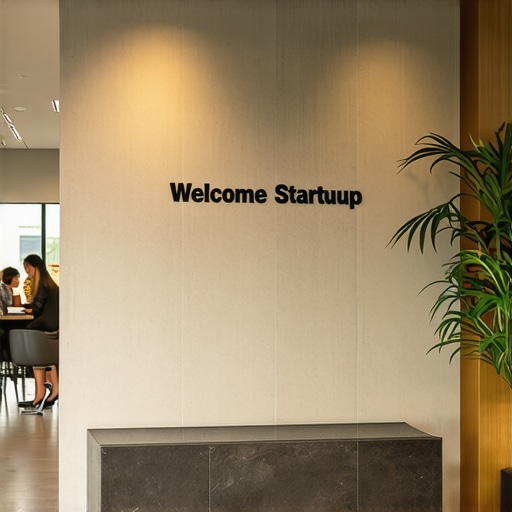
I vividly remember the first time I tried to book a conference room for an important client call. The first choices were either a noisy coffee shop or a cramped coworking space that looked more like a closet than a professional setting. That moment made me realize something crucial—trust isn’t just built with a sleek website or punchy pitches; it’s rooted deeply in tangible, credible details like a physical address. When your startup lacks a legitimate business address, it can feel as if you’re invisible in the eyes of potential clients and investors. This invisibility can create hurdles that are surprisingly tough to overcome.
Adding credibility with a real address
Having a dedicated physical address isn’t just about mailing; it’s about creating a trustworthy persona that reassures your audience you’re serious. Many entrepreneurs underestimate the power of a legitimate address, often thinking that being fully remote negates this need. Early on, I made the mistake of neglecting this aspect, relying solely on virtual addresses, which sometimes made prospects hesitant. According to a study by the Better Business Bureau, about 60% of consumers are less likely to trust a business without a verifiable physical address. That was a wake-up call for me—trust is built on visible proof of stability.
Is the buzz about physical addresses actually worth the hype?
It’s common to question whether all the fuss about owning a real address is just hype. I wondered the same at first, assuming that a creative online presence would suffice. But I learned the hard way that neglecting this detail can make or break opportunities. I remember passing up a promising partnership because my virtual address was in question, and it showed. This misstep taught me that a corner office or a shared coworking address can significantly boost your credibility.
Trust me, I’ve been there. Early in my journey, I overlooked this subtle but powerful element—a mistake I wouldn’t want you to repeat. If you’ve ever been in a situation where your potential client hesitated because you didn’t have a real address, you’re not alone. The good news? Finding a credible, professional space is easier than you think. Want to learn how to choose the right location and start building that trust today? Let’s dive into the practical steps to secure a physical address that works for your startup.
Identify Your Ideal Space Type
First, consider whether a dedicated office, a shared coworking space, or a virtual address suits your current needs. For startups just starting out, a coworking space with conference rooms offers flexibility and professionalism without long-term commitments. Remember, your goal is to project credibility and trust with minimal hassle.
Research Top Coworking Spaces in Your Area
Use online platforms and reviews to shortlist potential spaces. Look for locations with reputable addresses, high-quality meeting rooms, and positive member feedback. For example, I once found a coworking hub that offered stunning conference rooms with state-of-the-art tech, boosting the perception of my startup when inviting clients.
Visit in Person to Assess Quality
Schedule visits to your shortlisted options. Pay attention to cleanliness, technology setup, and how professional the environment feels. A quick tour can reveal issues like noise or outdated facilities that may not be apparent online. During my visit, I noticed an echoing acoustics—which could have hampered calls—and was able to request a quieter room prior to signing.
Compare Pricing and Membership Options
Examine different plans, from hot desks to dedicated offices with conference room access. Ensure the pricing aligns with your budget and growth plans. For instance, I opted for a flexible membership that allowed me to upgrade as my team expanded, preventing costly relocations later.
Verify Connectivity and Amenities
Ensure the space offers high-speed internet, reliable power sources, and necessary tech such as projectors or conference call capabilities. These details directly impact your professionalism during client meetings. I once selected a spot because it had a dedicated phone booth and 1GB fiber internet, which made remote calls crystal clear.
Check Accessibility and Location
Choose a location that is convenient for clients and team members. Proximity to transportation hubs and parking is critical. I learned this firsthand when a less accessible address caused delays and frustrations, negatively affecting my company’s image.
Negotiate Lease Terms for Flexibility
Aim for short-term leases or month-to-month agreements to adapt to your startup’s evolving needs. Don’t hesitate to negotiate amenities or access hours. After experiencing a rigid lease, I negotiated a month-to-month plan, enabling me to scale easily without long-term constraints. For more tips on scaling your workspace, visit https://coworkingcentral.com/how-to-scale-your-office-space-as-your-series-funding-grows.
Many entrepreneurs believe that reserving the right meeting room or coworking space simply involves choosing a location that looks good online or is nearby. However, in my experience, there are subtle pitfalls many overlook, leading to wasted time, money, and even trust erosion with clients. For example, most assume that a well-lit, modern conference room automatically fosters productivity and collaboration. But without considering acoustics, technology infrastructure, or privacy, those sleek spaces might actually hinder your meetings rather than help.
One common myth is that larger spaces or more amenities always equate to better collaboration. In reality, oversized or overly plush rooms can create a disconnect, making discussions feel formal or distant. Conversely, a cozy, well-designed room tailored to your team’s size and workflow often enhances engagement and authenticity. As highlighted in a study by Harvard Business Review, the environment’s intimacy level directly impacts the quality of communication. Choosing a space that aligns with your startup’s culture and team dynamics is more crucial than going for flashy features.
**Are open-layout meeting rooms actually boosting innovation, or are they just noise traps?** Many startups opt for open or semi-open spaces under the assumption they promote transparency. Yet, chaos and distractions frequently degrade focus. An advanced oversight here is neglecting soundproofing and tech compatibility, which can derail high-stakes discussions. For instance, a noisy environment hampers not just clarity but also the perception of professionalism—a critical factor when impressing investors or partners. To avoid this trap, thoroughly assess acoustic quality and technical amenities, as they’re often overlooked during space selection.
From my experience, another mistake is underestimating the importance of flexibility. As your startup scales, your space needs evolve. Locking into a rigid lease or an inflexible conference room plan can become a bottleneck. Instead, explore options like flexible memberships or space-quadrupling options that grow with you. For more insights, check out [how to choose the perfect conference room for business success](https://coworkingcentral.com/how-to-choose-the-perfect-conference-room-for-business-success), which details strategic selections based on your growth stage.
**Why does technology integration in meeting rooms matter more than ever?** Amidst remote work and hybrid models, seamless tech setup—high-speed Wi-Fi, AV equipment, and reliable video conferencing—is no longer optional; it’s essential. Skimp on this, and your meetings risk becoming unproductive or embarrassing. Remember, your space’s tech capabilities should align with your team’s needs and presentation standards. For instance, a startup I worked with upgraded their conference room tech, leading to smoother investor pitches and international collaborations.
In summary, the real expertise lies in seeing beyond surface-level features and understanding the nuanced factors—acoustics, privacy, flexibility, and technology—that influence your startup’s success in meeting spaces. Don’t fall for the hype of flashy spaces; instead, prioritize a tailored environment that truly supports your goals. Have you ever fallen into this trap? Let me know in the comments.Maintaining an efficient and professional environment in your startup’s meeting spaces requires more than just good furniture and a clear schedule. Over the years, I’ve distilled my toolkit down to a few key tools and methods that ensure consistency, professionalism, and scalability in managing conference rooms and coworking spaces. Implementing these can drastically improve your long-term results and prepare you for future growth.
First, **Room management software like Teem or Robin** has been a game-changer for me. These platforms allow real-time booking, integrated AV controls, and automated notifications, reducing the friction of manual scheduling. I personally prefer Robin because of its seamless integration with popular calendar tools and intuitive interface. It allows my team to reserve conference rooms effortlessly, even when managing multiple spaces across different locations.
To keep hardware functioning optimally, I rely on **Smart monitoring solutions such as Netgear’s Insight Managed switches** combined with network health dashboards. This setup lets me proactively identify connectivity issues, scheduled maintenance needs, and hardware failures before they impact meetings. In my experience, addressing these issues upfront prevents downtime and maintains the credibility of our spaces.
For communication within our facilities, I use **Slack integrations with maintenance bots like SpaceIQ or FM:Systems**, which enable team members or space managers to report issues instantly. For example, if a projector stops working, a quick message triggers an automated ticket for repair. This rapid response mechanism avoids delays and keeps meetings flowing smoothly.
Long-term, automating data collection is vital. Tools like **Coworkify or OfficeRnD** gather usage analytics, helping me decide when to scale or reconfigure spaces. Monitoring peak hours, booking patterns, and user feedback informs strategic decisions, like expanding conference capacities or renovating meeting areas.
Prediction-wise, the trend points towards smarter, AI-driven management systems that learn usage patterns and optimize space allocation automatically. I believe integrating AI into your management toolkit will be standard practice within the next few years.
**How do I maintain my meeting spaces over time?** The key lies in regular checks and balances. Schedule quarterly hardware audits, review usage analytics, and gather direct feedback from your team. Holding brief training sessions on booking systems or complaint channels keeps everyone aligned and engaged.
Finally, don’t overlook the power of **professional cleaning and ergonomics tools**—a clean, comfortable environment directly impacts meeting productivity. For example, investing in smart air purifiers or adjustable desks can enhance user experience and lead to longer-term satisfaction.
Want to take your workspace management to the next level? Try implementing automated maintenance alerts using a network monitoring tool, and you’ll immediately notice fewer disruptions. For more tips on scaling your physical spaces as your startup grows, visit https://coworkingcentral.com/how-to-scale-your-office-space-as-your-series-funding-grows.
Over my years working with startups, I’ve learned that the smallest details often hold the greatest power in building trust and fostering collaboration within professional environments. From choosing the right room to understanding the nuanced psychology behind space design, these insights can be game-changers for your company’s growth.
Bitten by the Trust Trick—What I Wish I Knew
- Accessibility impacted perception: I underestimated how much a location’s proximity to transit could influence client confidence. Moving to a more accessible coworking site boosted our credibility overnight.
- acoustics over aesthetics: A sleek room isn’t effective if noise and echo drown out conversations. I realized investing in soundproofing was a more strategic move than fancy furniture.
- Tech readiness matters: Outdated or incompatible tech can sabotage meetings. The lesson? Always verify AV equipment before critical client calls.
- Flexibility fuels growth: Committing to a space that adapts to your team’s size helps avoid costly relocations. Opt for memberships that scale with your startup’s evolution.
- Environment shapes culture: A space that promotes privacy and focus invites deeper collaboration. Cultivating this environment early can define your startup’s culture for years to come.
Tools That Changed How I Manage Meeting Spaces
- Robin or Teem software: These platforms streamline booking, reduce conflicts, and keep your team organized. They’ve saved me countless hours and headaches.
- Network monitoring with Netgear Insight: Ensuring reliable connectivity has become effortless, preventing costly downtimes during pivotal meetings.
- Live feedback channels: Slack integrations enable quick reporting of issues, maintaining professionalism and flow during high-stakes conversations.
- Usage analytics tools: Regularly assessing space utilization guides strategic expansion and renovation. It’s about working smarter, not harder.
Take Your Meeting Environment to New Heights
Designing spaces that truly serve your startup’s needs requires intentionality, not just aesthetics. It’s about creating environments where ideas flourish, trust is built, and every meeting propels you forward. Remember, these small but vital adjustments can significantly influence perception and success.
Have you encountered unexpected challenges in choosing or managing your meeting spaces? Share your stories below—I’d love to hear how you’ve navigated the nuances of creating the perfect startup environment.
Interested in practical strategies? Learn more about selecting the ideal conference space here.