
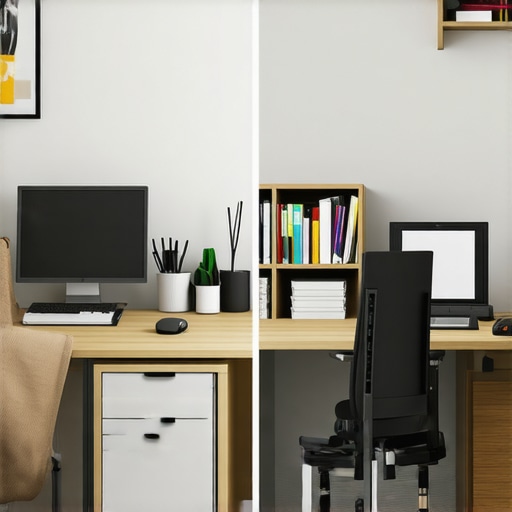
I still remember the moment it hit me—standing in a bustling coworking space, trying to focus on my laptop, when suddenly, a loud conversation from across the room shattered my concentration. That day, I realized my workspace was holding me back more than I had imagined. The simple choice between a dedicated desk and a private office isn’t just about size or expense; it’s about how you work, think, and thrive. If you’ve ever sat in a noisy open-plan area, wishing for a quieter corner or wondered if investing in a private space could actually boost your productivity, you’re not alone. Today, we’ll explore how to make this critical decision, balancing your work style with your business needs.
Why Your Workspace Choice Can Make or Break Your Productivity
Choosing the right workspace setup can feel overwhelming. I initially thought a larger, private office was the answer—better privacy, more control. But I quickly learned that it wasn’t a one-size-fits-all solution. Some days, I craved the community and spontaneous ideas that come from sharing a space, while other days, I needed quiet to focus intensely. According to a recent survey by Coworking Central, nearly 70% of entrepreneurs find that having a dedicated workspace significantly impacts their productivity and mental well-being. This makes selecting the right environment more than just an aesthetic choice; it’s a strategic move for your business growth.
Early in my journey, I made the mistake of assuming that a private office would automatically transform my work experience. The reality? Without considering my daily routines and collaboration needs, I ended up feeling isolated and disconnected from potential opportunities. That taught me a valuable lesson: understanding your unique workflow and preferences is essential before committing to a specific workspace type.
Is the Buzz Around Private Offices Really Worth the Hype?
I’ll be honest—initially, I believed that private offices were the ultimate solution for productivity and professionalism. However, I soon discovered that they also come with hidden costs, including higher expenses and sometimes less flexibility. If you’re worried about whether a private office is a worthwhile investment, ask yourself: Does this space support my productivity style? Do I need privacy for sensitive work or meetings? Or is it more important to stay engaged with a vibrant community that can inspire fresh ideas?
Making this decision is tricky, especially when faced with conflicting advice or aesthetic temptations. For instance, I nearly signed a long-term lease without thoroughly vetting the space, which later became a source of frustration. That experience underscored the importance of doing your due diligence—something I advocate for anyone trying to choose the best environment for their startup or freelance work.
Now, if you’ve faced similar dilemmas or are still unsure where your workspace will best serve your ambitions, don’t worry. The upcoming sections will guide you through practical considerations—like assessing your work habits, budget constraints, and growth plans—that help simplify this complex choice. Ready to find out how you can choose the workspace that truly empowers your productivity? Let’s dive in.
Assess Your Daily Workflow and Collaboration Needs
Start by charting your typical workday. Do you spend hours focused on deep work, or are your tasks collaborative and team-driven? I once spent a week recording my daily activities, noticing that mornings were dedicated to solo project work, while afternoons involved team meetings. This insight revealed I needed a space that balanced quiet zones with collaborative areas. For intense focus, seek out coworking spaces with designated quiet corners; for teamwork, prioritize places with flexible meeting rooms. Understanding your pattern helps you avoid costly missteps like renting a large private office when a shared space suffices.
Identify Noise and Distraction Levels
Evaluate the typical noise levels of potential spaces. I visited three options, pretending to work for an hour each time. The first was too noisy for calls, the second too quiet, feeling isolating, and the third perfectly balanced with soundproof booths and lively communal areas. This experience taught me that assessing ambient noise is crucial, especially if your work involves phone calls or video conferences. Look for spaces with soundproof meeting rooms or quiet zones—these significantly impact your productivity, much like the difference between a cacophonous conference room and a quiet study.
List Your Budget and Future Growth Plans
Set a clear budget, considering not just rent but hidden costs like deposits, amenities, and potential upgrades. I negotiated a flexible plan that allowed me to expand or reduce my space monthly, avoiding the trap of long-term leases that can hinder growth. Use online resources or contact coworking chains to compare prices; some spaces offer day passes or on-demand bookings. Remember, choosing a space should align with your growth trajectory—if you plan to scale quickly, prioritize flexible options. Avoid the mistake of signing a long lease prematurely that could lock you into an unscalable setup.
Prioritize Accessibility and Connectivity
Test the Wi-Fi connections during your visits. In a testing session, I ran a high-bandwidth demo to gauge speeds—some spaces faltered during peak hours, causing delays. Reliable, high-speed internet is non-negotiable; otherwise, your productivity and professionalism suffer. Additionally, consider access hours—if clients or remote team members visit, the space’s availability can influence your workflow. Space locations close to transportation hubs also reduce commute times, boosting morale and punctuality.
Test Drive Meeting and Conference Rooms
Book short-term access to conference rooms to evaluate their features. I scheduled a couple of trial meetings: one was disrupted by poor acoustics, another by inadequate technology. A good conference room should offer quality audio/video equipment, privacy, and a professional ambiance. For example, I used a coworking space with a sleek meeting room, which made a lasting impression during a client call—proof that investing time in testing these features pays off. Don’t settle for mediocre spaces; they can directly impact your company’s image and client relationships.
Check for Extra Amenities and Community Vibe
Visit during different times to experience the environment. Noticing staff friendliness, community events, and available amenities reduces potential friction later. For instance, during my last visit, I saw entrepreneurs sharing ideas in the communal kitchen, sparking opportunities. Amenities like printing, coffee, and regular networking events can enhance your daily experience, making your workspace more productive and enjoyable. It’s worth investing extra time to find a space that feels right both professionally and culturally.
Many entrepreneurs assume that choosing the most expensive or high-tech conference room automatically translates into better outcomes for meetings and pitches. However, in my experience, the real nuance lies in how these spaces support your workflow and reflect your startup culture. A common myth is that premium-looking rooms boost credibility, but studies show that comfort and acoustics often matter more for effective communication (see here). Overloading on flashy amenities can also be a trap, leading startups to overspend on features that distract rather than aid productivity—so always evaluate if a space’s core elements meet your operational needs.
Another misconception is that larger or more premium spaces inherently foster innovation. In reality, the environment’s vibe and community engagement impact your team’s creativity far more than size or branding. For instance, transforming meeting rooms into collaboration hubs, rather than just private enclaves, unlocks spontaneous idea exchanges (more on that). It’s a mistake to ignore how workspace design influences daily interactions and thinking patterns.
A subtle trap many overlook is the assumption that all coworking spaces are equally secure and privacy-focused. This is not always true. Some spaces might advertise confidentiality but lack proper soundproofing or data protection measures—potentially risking sensitive information. Instead of accepting hype at face value, dive into their policies or ask directly about their privacy practices (see privacy policies). Many startups fail to realize that a hidden vulnerability in a conference room or shared space can be disastrous for reputation and security.
Curious about the sophisticated choices that elevate your meetings? Here’s a good question: How do high-end spaces adapt to the evolving needs of startups, especially in hybrid or remote-friendly models? The trend points toward flexible, tech-enabled environments that support seamless in-person and virtual collaboration. For example, some spaces now incorporate advanced audio-visual solutions to make hybrid meetings more natural, reducing fatigue and confusion—while also fostering a sense of inclusion (learn more here). As startups grow, their workspace must evolve not just in size but in functionality.
Remember, the key is not just to find the flashiest or most expensive space but to choose environments that align with your team’s workflows, security needs, and growth trajectory. Small details—like acoustics, privacy, and community—often determine whether your meetings translate into tangible progress. Have you ever fallen into this trap? Let me know in the comments and share your insights!Maintaining an efficient workspace requires the right combination of technology, methods, and discipline. One of my favorite tools is **Asana**, which I use personally to manage tasks across my team. It offers detailed project tracking, deadlines, and integrations with other apps like Slack and Google Drive, ensuring nothing slips through the cracks. For instant communication, I rely on **Slack** for its channels and integrations—it’s vital for quick updates and collaboration without email overload, especially in a hybrid environment. To keep meetings productive and avoid wasted time, I utilize **Otter.ai**, which transcribes conversations in real-time, ensuring everyone’s on the same page and reducing miscommunication. When it comes to maintaining long-term security and privacy, I regularly review our policies via [Coworking Central’s privacy policy](https://coworkingcentral.com/privacy-policy), ensuring alignment with best practices. Regularly scheduled backups are crucial too; I employ **Backblaze** for off-site cloud backups to safeguard critical files. Looking ahead, I predict that automation tools like **Zapier** will become indispensable in streamlining repetitive workflows, further reducing manual errors and freeing up your time for strategic thinking. To truly keep your workspace functioning seamlessly, I recommend integrating these tools into your daily routine and customizing their workflows to fit your specific needs. How do I maintain these tools over time? Consistent review and updates are key—set quarterly check-ins to evaluate if your current setup still serves your evolving business. Don’t forget to explore advanced integrations, like creating automations between Asana and Slack, which can significantly boost productivity. Try setting up a Zapier automation that triggers a Slack message whenever a task is marked complete in Asana, and experience firsthand how automation can make your workspace more efficient.
The Hidden Truths I Wish I Knew About Finding the Perfect Meeting Space
One of the most profound lessons I learned was that no workspace is a one-size-fits-all solution. The environment you choose can either fuel your creativity or stifle your progress. I once believed that a sleek, private conference room would automatically impress clients, but I soon realized that comfort, acoustics, and accessibility matter far more than looks alone. The most valuable insight? Listening to your team’s specific needs and testing spaces thoroughly before committing saves you time, money, and stress.
Another lightbulb moment came when I discovered community isn’t just a buzzword—it’s a catalyst for growth. Participating in shared activities and casual conversations within coworking spaces often led to unexpected collaborations. I used to overlook how much informal interactions could inspire innovation, but now I see that fostering genuine relationships in your workspace can be as vital as the official meetings held there. Remember, the right environment nurtures connections that propel your startup forward.
Lastly, I realized that flexibility in workspace options often outperforms permanence. Locking into a long-term lease without assessing your evolving needs can hinder scalability. By embracing on-demand and short-term arrangements, I maintained agility—something crucial in the fast-paced startup world. This approach allowed me to test different environments, find what truly boosted our productivity, and adapt as our team grew or shifted focus. The key takeaway? Always balance your current requirements with future ambitions to choose workspaces that grow with you.
My Go-To Tools for Making Workspace Magic Happen
In my quest for the perfect environment, I’ve relied on a handful of trusted resources. Coworking Central offers invaluable advice on selecting spaces that match your company’s vibe and needs—I highly recommend exploring their guides on designing collaborative areas and private vs. shared spaces. It’s my go-to source for practical insights. Additionally, Startup Success Secrets helped me grasp what makes a conference room memorable to clients—because environment speaks volumes. Finally, tools like vetting checklists ensure I don’t overlook critical security or tech considerations. These resources have transformed how I approach workspace decisions, making me more confident and deliberate.
Embrace the Change—Your Workspace Is a Growth Partner
Choosing the right startup workspace is more than a logistical decision; it’s a strategic move that shapes your company culture and success trajectory. I encourage you to experiment, listen to your team, and prioritize environments that align with your goals. Don’t let the fear of change hold you back—your future self will thank you for the flexibility and intentionality you invest today. Remember, the best workspace is one that adapts to your growth, fosters connection, and keeps your mind sharp. So, what’s your biggest challenge in selecting a startup workspace? Share your experience below and let’s grow together.