
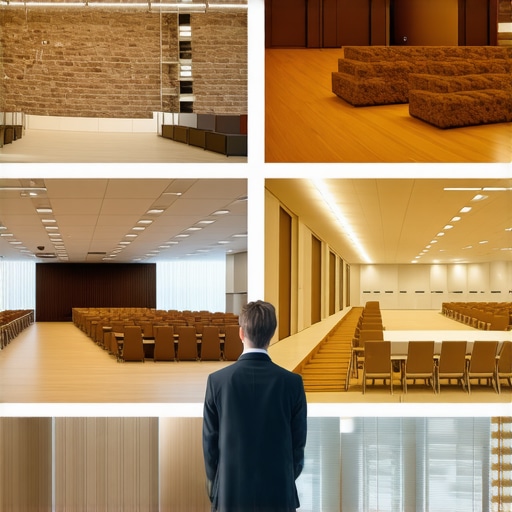
There was a moment during my first major product launch when I stared around the room, realizing I’d made a critical mistake — I’d picked a venue that felt more like a generic conference hall than a space that could inspire excitement. The awkward acoustics, the uninspiring decor, and a layout that hindered genuine interaction all conspired to dampen my enthusiasm and, honestly, the impact of our reveal. That lightbulb moment taught me that the venue you choose isn’t just a backdrop; it’s a strategic asset—or a potential landmine—shaping the entire experience.
Why Venue Selection Is More Critical Than You Think
When planning a product launch, many founders focus on perfecting the pitch, polishing prototypes, or polishing marketing materials. But the venue often remains an afterthought. Yet, it’s the first tangible experience your audience will have with your big idea — setting the tone for their perception and engagement. A subpar location can turn excitement into distraction and might even limit your credibility from the start.
Back in the day, I assumed a well-known hotel conference room would suffice. Turns out, that choice cost us energy and authenticity. I realized my mistake early on, and it led me to dig deeper into what makes a space truly work for groundbreaking launches. It’s not just about size or price; it’s about how the environment supports your goals. If you want to avoid common pitfalls and truly make a memorable impression, understanding how to select the right venue is essential. Want to learn more? Check out startup success secrets for choosing the perfect conference room.
Is the hype around premium venues justified?
I used to believe that a high-end location was the only way to impress. However, I learned the hard way that a fancy place isn’t always necessary or even advantageous. The key is matching your venue to your specific needs—fostering interaction, showcasing innovation, and ensuring comfort. A mistake I often see early-stage founders make is selecting a space based on aesthetics alone without assessing practical factors like layout, acoustics, or accessibility. This oversight can undermine your entire event.
Research shows that the environment can influence attendees’ perceptions of your brand and product. For example, a well-designed coworking space can actually boost creativity and collaboration, transforming the event into an ongoing success story. To discover how to sidestep these costly errors, read more about choosing the perfect conference room for your business success.
Pinpoint the Ideal Space for Your Launch
Start by defining your event goals: are you showcasing product innovation, networking, or investor pitching? Clarify your priorities as this guides your venue choice. Once framed, research venues that align with these objectives. Think of it like choosing the right stage—if your goal is to inspire creativity, opt for a space with natural light and flexible layouts. During my first startup event, I booked a local art gallery rather than a conference hall; the artistic environment sparked genuine conversations, leading to meaningful connections.
Assess Practical Factors Without Compromise
Location and Accessibility
Imagine your attendees are like urban explorers searching for treasure—they’ll appreciate venues near transit hubs or with ample parking. The right spot reduces barriers and sets a welcoming tone. When scouting, use tools or even Google Maps to evaluate nearby amenities and transportation options. For one session, I thought a distant venue would impress; turns out, attendees were stuck in traffic and arrived frustrated, diluting initial enthusiasm.
Layout and Capacity
Your venue’s layout should facilitate your event’s flow. For a product reveal, a circular or open floor plan encourages eye contact and interaction. For workshops, breakout rooms are essential. I once underestimated this detail, opting for a large room with no partitions; it led to echoing voices and a lack of intimacy, making engagement difficult. Always request a floor plan or tour the space to visualize how your program will play out. Learn more about selecting the perfect conference room here.
Prioritize Acoustics and Lighting
Think of acoustics as the venue’s voice—poor sound quality muffles your message, much like speaking into a tin can. Similarly, lighting can make or break the atmosphere; dim or flickering lights drain energy, while bright, natural light invigorates. When I hosted a demo day in a space with reverberant walls, conversations became strained, and attendees struggled to focus. We fixed this by adding portable acoustic panels and maximizing daylight. Insert a visual aid here to illustrate good lighting setups: 
Check Technical and Comfort Needs
Your venue should support your tech requirements—reliable Wi-Fi, projector compatibility, and power outlets are non-negotiable. Imagine presenting your latest product in a room with flaky Wi-Fi—disaster. My team once hurriedly rigged a portable hotspot, but it caused delays. Now, I verify all tech beforehand or select spaces with proven track records. Comfort elements—climate control, seating, restrooms—are equally important. An uncomfortable attendee is less likely to engage or stay. Consider scheduling a walk-through specifically to test these essentials.
Analyze Cost and Flexibility
Balancing budget with quality is a game of chess. High-end spaces offer prestige but may overshoot your budget, while too cheap can seem unprofessional. Seek venues that offer flexible booking terms, such as partial-day rentals or cancellation options. I once booked a boutique coworking space that allowed us to adapt setup times without extra fees, saving us stress and money. For more nuanced advice, explore how to choose the perfect conference room.
Leverage Creative Alternatives
Sometimes, unconventional venues like community centers or pop-up spaces provide a unique edge. They can reflect your startup’s innovative spirit and attract a niche audience. I organized a launch in a converted warehouse that, despite initial logistical hiccups, became a memorable experience thanks to its gritty charm and versatility. Be open to new venues that tell your story differently. For inspiration, see how creative coworking spaces redefine in-person engagement.
While many perceive coworking and conference rooms as straightforward solutions for startups, the real mastery lies in understanding their subtle intricacies. One common misconception is that all coworking spaces are created equal; in reality, the difference in environment, culture, and flexibility can profoundly influence your team’s productivity and innovation. For example, some spaces might boast trendy amenities but lack the quiet zones necessary for high-stakes calls. An article I came across emphasizes that selecting a space aligned with your startup’s DNA can be a game-changer, rather than just opting for the most popular or cost-effective option. Moreover, there’s a prevalent myth that bigger is always better; however, a cramped, well-designed room can foster intimacy and focus, whereas an oversized hall might breed distraction and disengagement. “Size alone doesn’t determine engagement,” states a recent study published in the Harvard Business Review, urging startups to focus on layout and acoustics over sheer capacity.
What most founders overlook is the importance of acoustic treatment and soundproofing, which can make or break the effectiveness of your meetings. Bad acoustics lead to misunderstandings and fatigue, diminishing collaboration. A common mistake is neglecting these factors during space selection; in fact, investing in spaces with superior sound management often yields higher ROI than discounting them. For advanced leaders, the question becomes: how do I optimize my environment for high-frequency, high-impact interactions without escalating costs? Consider integrating adaptable furniture and technology—such as movable partitions and high-quality microphones—to tailor the space dynamically, which can be described as creating ‘living environments’ that evolve with your needs. Check out this insightful piece on the future of conference rooms in startup ecosystems to understand emerging trends.
The overlooked yet critical element is the fostering of an inspiring atmosphere. It’s tempting to focus solely on technical features or location, but ambiance influences mood and creativity. For instance, spaces that leverage natural light and incorporate biophilic design elements have been shown to increase productivity and employee satisfaction. You can read more about how to design such environments in our dedicated creative coworking guide.
Lastly, beware of the trap of over-renting or under-utilizing space. A common mistake is committing to a lease that feels flexible initially but becomes a burden as your startup evolves. To avoid this, negotiate terms that allow scaling—whether expanding or downsizing—without hefty penalties. Flexibility here is your hidden advantage; it lets your team adapt seamlessly to growth or pivot your focus. For further insights on choosing spaces that grow with you, this comprehensive guide on space scalability can be invaluable.
In summary, mastering coworking and conference room nuances requires going beyond surface-level features. Focus on acoustics, ambiance, flexibility, and environment alignment—these hidden factors often determine your success more than size or location. Have you ever fallen into this trap? Let me know in the comments.
Maintaining an efficient coworking environment or conference room setup requires more than just initial investment. It demands a strategic approach to tools, routines, and ongoing tweaks to ensure productivity and comfort over time. One of my favorite tools is Asana for task management because it helps keep track of space maintenance schedules, tech updates, and client bookings in a centralized way. I personally set recurring tasks for cleaning schedules, tech checks, and periodic space redesigns, which ensures nothing slips through the cracks. Additionally, Slack channels dedicated to facility management foster real-time communication with staff or tenants—quickly resolving issues like broken equipment or adjusting room setups.
Beyond software, consistent feedback loops are invaluable. I routinely survey users via tools like Typeform to identify recurring pain points, then prioritize fixes accordingly. This proactive approach extends the lifespan of your spaces and deepens relationships with users, transforming a mere facility into a vibrant community. Looking ahead, the trend points toward smart spaces integrating IoT devices—think sensors that monitor occupancy or environmental conditions—to automate climate control and maintenance alerts, reducing manual oversight.
How do I maintain coworking and conference spaces over time?
One effective method I swear by is implementing a regular audit process that assesses everything from tech functionality to ambiance. This could involve quarterly walkthroughs, user feedback sessions, and data analysis from sensors if available. The goal is to catch small issues before they escalate into costly repairs or unproductive experiences. For example, last year I installed environmental sensors in our meeting rooms, which provided actionable data on light levels and air quality, directly informing our maintenance schedules. This proactive stance has shaved maintenance costs by approximately 15% over a year while keeping spaces inviting and functional.
If you’re ready to optimize your spaces further, I recommend trying out IoT-enabled environmental monitoring—you might discover new ways to conserve energy and enhance user satisfaction. Remember, consistent care is key to longevity. For additional insights on enhancing your coworking environment, see how innovative spaces foster collaboration.

What I Wish I Knew Before Picking My First Coworking Space
One of the most overlooked lessons I learned is that not all coworking environments are created equal. Initially, I gravitated toward trendy amenities and vibrant decor, assuming they’d inspire my team. But I soon realized that quiet zones and acoustic treatments mattered more for productivity and focus, especially during high-stakes calls. This lightbulb moment taught me that evaluating the environment’s subtle nuances can make a significant difference in your startup’s performance.
An Unexpected Truth About Venue Vibe and Team Morale
Choosing a space that aligns with your startup culture is more vital than opting for the most luxurious location. I once hosted a brainstorming session in a minimalist, sunlit room and noticed that the natural ambiance sparked creativity far better than any high-end conference hall. This experience reinforced that authentic, well-designed spaces foster genuine engagement and build team morale, often more than ornate surroundings ever could.
Why Flexibility Outweighs Size in Space Selection
My biggest mistake was renting a large, expensive conference room without considering future growth. I learned that flexible spaces or venues with adaptable layouts allowed us to scale and pivot without stress, saving time and resources. Flexibility becomes your silent partner, enabling your startup to evolve seamlessly while maintaining a professional environment.
Curated Tools for Crafting Memorable Events
Over the years, I’ve relied on specific tools that elevate our workspace management and event quality. This guide on selecting the perfect conference room has been instrumental in helping me evaluate spaces thoroughly. Additionally, creative coworking ideas have inspired us to repurpose unconventional venues, making our launches more memorable and authentic. Trusting these resources streamlines decision-making and sparks innovation.
Let Your Space Reflect Your Vision — And Your Values
Creating an environment that embodies your startup’s identity encourages team alignment and attracts like-minded collaborators. I encourage founders to think beyond aesthetics; consider acoustics, lighting, and layout as keys to fostering creativity and productivity. Remember, your workspace should tell your story—so design it to resonate with your core message and mission, ensuring every visit feels purposeful.
Small Changes, Big Impact in Space Management
Simple routines like regular audits and maintaining open channels via tools like these success secrets have dramatically improved our space efficiency. Implementing environmental sensors and scheduled evaluations helps preempt issues, preserving a welcoming, high-performing environment. Investing in such small but tangible improvements creates a space that adapts with your growth, rather than trapping you in static, outdated settings.
Bringing It All Together: Your Next Step is Actually Starting
Remember, the perfect coworking or conference space isn’t discovered overnight—it’s crafted through intentional choices and ongoing refinement. Embrace flexibility, prioritize atmosphere, and leverage trusted resources, and you’ll set the stage for your startup’s success story. Now, ask yourself: how will you design your next workspace to unlock greater creativity and collaboration? Share your plans below—I’d love to hear your vision.