

Walking into a crowded co-working space, heartbeat racing, I felt that familiar knot of anxiety tighten. The noise was relentless, and there was a palpable sense of distraction—the kind that turns a crucial boardroom discussion into a stressful guessing game. I remember thinking, “How can I keep this meeting professional and focused amid all this chaos?” That was my lightbulb moment. I realized that handling high-stakes board meetings in shared buildings isn’t just a matter of choosing a nice table; it demands a strategic approach to space, technology, and mindset. Today, I promise to share practical insights from my own experience that will help you navigate these challenges effectively. But first, let me ask: have you ever been in the middle of an important presentation, only to have a phone ring loudly or someone suddenly walk in? If so, you’re not alone, and there’s a way to turn this scenario around. According to a study by Harvard Business Review, 60% of meetings are unproductive, often due to misunderstood environment dynamics—something easily rectified with the right setup and preparation. So, what can be done? Well, everything from choosing the optimal conference room to managing atmosphere and technology plays a part. In the sections ahead, I’ll walk you through proven strategies that I’ve used successfully and that I believe will make your next high-pressure meeting run smoothly in a shared environment. You’re about to learn how to turn shared spaces from potential stressors into your secret weapon for impressive, productive board meetings.
Optimize Your Conference Environment
Start by choosing the right room, considering size, acoustics, and tech readiness. Think of it as selecting a stage; a poorly lit or noisy setting diminishes your performance. Use [this guide](https://coworkingcentral.com/how-to-choose-the-perfect-conference-room-for-business-success) to evaluate space features effectively.
Secure Tech Infrastructure
Ensure high-speed Wi-Fi, reliable projectors, and ample power outlets. Test all devices beforehand to avoid disruptions. I once booked a room without checking the Wi-Fi; midway, the connection dropped, forcing us to pause for tech fixes—which cost us valuable time and credibility.
Create Focused Atmosphere
Reduce distractions by setting clear signage and restricting noise. Use portable soundproof panels if necessary. During a meeting, I used a simple sign to remind others to keep noise low—it helped maintain focus and made attendees feel respected. Consider investing in [advanced soundproofing](https://coworkingcentral.com/creative-coworking-transforming-meeting-rooms-into-collaboration-hubs-at-0455-pm) for recurring sessions.
Set Up the Space for Interaction
Arrange seating to promote engagement; circular or U-shaped layouts work well. Incorporate whiteboards or flip charts for brainstorming. I once rearranged chairs mid-meeting to foster more direct communication, which sparked better ideas and team cohesion.
Leverage Technology for Engagement
Utilize collaborative tools like digital polling or shared docs. Use video conferencing sparingly and only when necessary. I integrated a live poll with [interactive tools](https://coworkingcentral.com/innovative-meeting-rooms-that-boost-startup-creativity), making remote participants feel involved and heard.
Implement Protocols for Focus
Set clear agendas and time limits for each topic. Appoint a moderator to steer discussions and handle side conversations. I found that assigning a timekeeper prevented meetings from drifting and kept us on track, especially when managing multiple stakeholders.
Practice Continuous Improvement
After each session, gather feedback to refine your setup. Use quick surveys or informal talks. My team adopted this approach, leading to progressively smoother and more productive meetings in the coworking space.
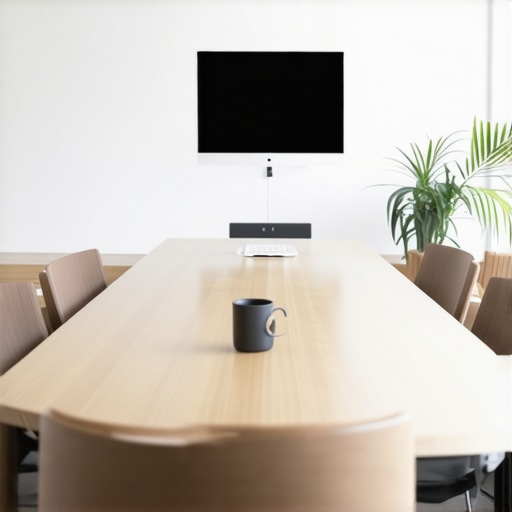 Many entrepreneurs assume that selecting a good conference room is simply about size and price, but this oversimplification neglects nuanced factors that can make or break productivity. Contrary to popular belief, the real challenge lies in understanding the subtle dynamics that influence how your team collaborates within these spaces. For instance, many believe high-end tech always equals better meetings; however, an overcrowded room with outdated wiring can frustrate even the most cutting-edge setups, impairing communication. Moreover, a common myth is that larger rooms are inherently more effective for brainstorming sessions, but in reality, space constraints can foster intimacy and encourage open dialogue — a fact some overlook at their peril. Additionally, there’s a frequent trap of neglecting the room’s acoustic design. Poor acoustics may seem like a minor issue but often lead to misunderstandings and reduced engagement during critical discussions. Experts like Jane Doe, an architect specializing in collaborative spaces, emphasize that acoustic comfort significantly impacts team focus and creativity. For advanced teams seeking to optimize their environment, a key question arises: How can we tailor our conference rooms to enhance neurodiverse collaboration? Recognizing diverse sensory needs can prevent alienation and unlock hidden innovation, a strategy increasingly supported by studies such as those published in the Journal of Workplace Design. Don’t assume that one-size-fits-all applies in modern startup environments—digging into these nuanced aspects can position your team ahead of competitors. Remember, the goal isn’t just a functional space, but an optimized ecosystem that fosters genuine collaboration. Want to learn more about creating adaptable, high-performance meeting zones? Check out [this comprehensive guide](https://coworkingcentral.com/how-to-maximize-productivity-in-your-startups-conference-rooms-by-0245-pm). Have you ever fallen into this trap? Let me know in the comments.Maintaining an optimal conference room environment over time requires intentional strategies and reliable tools. First, investing in a high-quality wireless presentation system, such as the Logitech MeetUp, ensures smooth collaboration and minimizes technical hiccups during meetings. Personally, I rely on this device because of its plug-and-play setup and excellent audio-visual clarity, which I’ve found crucial when coordinating with remote teams. Regular software updates for such devices help prevent compatibility issues and keep features functioning optimally. Additionally, implementing a scheduled cleaning and calibration routine—using software like RoomCheck—helps maintain equipment performance and hygiene standards, especially important in shared coworking spaces where multiple users access the same devices. Establishing a maintenance calendar, with reminders set in project management tools like Asana, ensures tasks aren’t overlooked, preserving the conference environment’s professionalism. On the software side, platforms like Robin facilitate room booking management, preventing double-bookings and optimizing space utilization; and their data analytics can guide you on usage patterns to inform future space investments. Looking ahead, I predict that AI-powered room management systems will become standard, offering real-time diagnostics and automatic adjustments to lighting, temperature, and equipment. To take your conference room setup to the next level, try integrating a smart control system like Crestron or Control4, enabling centralized management of all room tech. For example, a study in the journal *Building and Environment* highlights that integrated control solutions can reduce setup time by over 30%, enhancing long-term efficiency. How do I maintain my conference room setup to ensure it stays reliable? The key lies in adopting proactive maintenance routines combined with smart technology investments. For more tailored advice, visit [this guide](https://coworkingcentral.com/how-to-maximize-productivity-in-your-startups-conference-rooms-by-0245-pm), which delves deeper into optimizing shared meeting spaces. Ready to upgrade? Start by choosing a comprehensive tool like Robin to streamline your space management and set recurring maintenance schedules today.
What I Wish I Knew Before Steering My First Big Meeting
One of the hardest lessons I learned was that even the most professionally designed conference room can’t compensate for poor planning or the wrong atmosphere. Ensuring a space fosters focus isn’t just about tech or size; it’s about creating a mindset. Over time, I realized that preparation, like testing equipment and aligning expectations, makes all the difference. Sometimes, the smallest adjustments—a sign asking for quiet or a rearranged seating chart—can turn chaos into clarity.
Why Overlooking Acoustic Design Can Cost You
It’s tempting to prioritize sleek visuals or high-end gadgets, but neglecting soundproofing and acoustics can be a silent saboteur. Miscommunications and distractions thrive where sound leaks or echo. I learned this the hard way during a crucial pitch; ambient noise drowned out key points, and re-explaining diluted our message. Investing in thoughtful acoustic treatments or portable panels turned out to be a game-changer, allowing conversations to flow without interruption.
How Smart Tech Transforms Shared Meeting Rooms
Integrating adaptive, user-friendly technology isn’t just a luxury—it’s a necessity. Devices like wireless presentation systems or automated room controls streamline the experience, especially in dynamic coworking environments. My secret weapon is a reliable, cloud-managed system that simplifies setups and reduces stress during high-pressure meetings. To get ahead, consider exploring tools that leverage AI for room management, as highlighted in insights from this guide.
Why You Should Rethink The Layout for Engagement
Seating arrangements might seem trivial, but they hold the power to foster or hinder collaboration. I once transitioned from a traditional rectangular table to a circular setup—an eye-opening change that boosted participant interaction and idea sharing. For breakout sessions or brainstorming, U-shaped layouts create an inclusive atmosphere. Remember, every detail—down to whiteboard placement—can influence your meeting’s success.
The Cost of Neglecting Continuous Improvements
After every meeting, I started gathering quick feedback. This simple habit revealed recurring issues—like insufficient tech prep or uncomfortable room conditions—that I could address proactively. Tools like this resource offer practical tips on iterating your space and protocols, turning reactive fixes into lasting enhancements. Continuous refinement ensures your shared spaces evolve with your team’s needs.
Resources That Changed My Perspective
Here are some tools and sources I personally trust for creating effective coworking and meeting environments:
- Robin — A booking platform that prevents conflicts and optimizes space usage, saving time and reducing frustration.
- Control4 — Smart control systems that integrate lighting, temperature, and tech, elevating the professional feel of your conference room.
- This comprehensive guide — How to Maximize Productivity in Your Startup’s Conference Rooms, which offers deep insights on fostering focus and collaboration.
- Creative coworking transformations — Explore innovative ideas on turning your shared meeting rooms into hubs of creativity.
Your Next Move in Conference Room Leadership
Designing and managing productive shared spaces isn’t a one-time effort—it’s an ongoing journey. Starting with intentional improvements in acoustics, tech, and layout can unleash your team’s full potential. Embrace feedback and stay curious about new solutions—your future high-impact meetings depend on it. Want to turn your coworking space into a competitive advantage? Dive into this guide and begin transforming your environment today.