

It was a typical Wednesday afternoon when I realized I had been doing it all wrong. I’d booked a sleek conference room, sent out the invites, and waited for the leads to pour in. But instead, I found myself in an awkward silence, with a handful of attendees looking at their phones. The problem? My workshop was missing something fundamental — connection. If you’ve ever been in a room full of potential clients or partners and felt that sinking sense of wasted opportunity, you know exactly what I mean. That moment was a wake-up call for me, and I want to share what I learned about turning workshops from mere events into lead-generating powerhouses.
Why Most Workshops Fail to Generate Leads (And What to Do About It)
Is Your Workshop Actually Worth the Hype?
One common mistake I made early on was hosting workshops that felt more like presentations than interactive experiences. I thought delivering valuable info was enough, but I learned that engagement is key. The truth is, a successful workshop should be less about broadcasting and more about building relationships. When I shifted my approach—focusing on interactive activities and personalized conversations—I saw a dramatic change. According to a study by the coworking industry, engaging sessions in the right environments foster trust and pave the way for future collaborations. The challenge is, many hosts underestimate this dynamic, which leads to underwhelming results. If you’ve ever felt that your workshop was more of a monologue than a dialogue, you’re not alone—and it’s fixable.
Create an Interactive Agenda that Sparks Interest
Start by designing a clear, concise agenda that emphasizes participation. Break the session into short segments—talk, activity, discussion—to keep energy high. I once organized a workshop where I replaced a lengthy lecture with mini-breakouts and live polls; the result was a 50% increase in attendee interaction. Use tools like live surveys or interactive slides to keep attendees engaged and accountable.
Leverage the Power of Physical Space
The environment can make or break engagement. Opt for a flexible coworking space with movable furniture, natural light, and breakout areas—like the top coworking spaces of 2025. This encourages movement and informal conversations. I once moved a workshop from a typical conference room to a vibrant coworking hub, which immediately fostered a sense of community.
Use Visuals and Real-Life Examples
Keep your content visually engaging. Incorporate images, infographics, and short videos that clarify complex ideas. For example, during a startup pitch workshop, I showed a slide comparing different funding strategies—it was simple, visual, and much more memorable. When I added a diagram of effective meeting room setups, attendees immediately grasped how better spaces could improve their client meetings.
Foster Peer-to-Peer Learning
Design activities where attendees teach each other. Facilitating small-group discussions or role-playing scenarios transforms passive listening into active learning. Once, I organized a role-play in a coworking lounge, where participants simulated client pitches. Despite initial awkwardness, half of the attendees left with tangible improvements, proving direct engagement boosts retention.
Follow Up for Continued Connection
Immediately after the session, collect feedback and encourage networking. Use tools like shared online documents or dedicated Slack channels. I once set up a quick survey and a WhatsApp group for participants, which led to several follow-up meetings and partnerships. This step keeps the conversation alive beyond the workshop and turns initial contacts into real leads.
Many entrepreneurs assume that all meeting spaces are created equal, but this oversimplification can hinder startup growth. It’s a misconception that booking any available conference room will suffice; in reality, the nuances of space design, acoustics, and location directly impact productivity and networking opportunities. Overlooking these details often leads startups to settle for mediocre environments that drain energy and distract teams. For example, windowless rooms might seem cost-effective but can diminish alertness and creativity, as highlighted by ergonomic experts. Instead, prioritizing well-lit, flexible coworking spaces can enhance collaboration and innovation. Do not fall into the trap of thinking that the cheapest or most convenient space will deliver the results; strategic selection is key. An advanced mistake many overlook is neglecting the technical infrastructure—reliable Wi-Fi, soundproofing, and AV equipment matter more than you realize. According to a study by coworking industry leaders, optimizing these elements accelerates decision-making and reduces meeting fatigue. A common myth is that fixed leases guarantee stability, but nowadays, flexible conference rooms offer scalable solutions that adapt to your startup’s growth stages. Choosing versatile spaces not only saves costs but also exposes your team to diverse networking environments, boosting inspiration. So, before you lock into any arrangement, assess whether your space aligns with your goals for agility, innovation, and connection. Want expert tips on selecting the right coworking environment? Visit our [contact page](https://coworkingcentral.com/contact-us) to learn more. Have you ever fallen into this trap? Let me know in the comments.
Maintaining an efficient and productive meeting environment isn’t a set-it-and-forget-it task; it requires the right tools, consistent upkeep, and strategic adjustments over time. As startups and coworking spaces evolve, so must their toolkit to keep meetings impactful and seamless. One of my top recommendations is investing in a reliable AV setup—specifically, a dual-boot laptop with CAD and presentation software and a dedicated wireless microphone system. These enhance clarity and reduce technical glitches, which According to Coworking Central are common killers of workflow during crucial pitches or negotiations. I personally use a Logitech Meetup for its wide-angle camera and crystal-clear audio, ensuring every participant, whether remote or in-room, feels engaged.
In addition, adopting softwares that optimize room booking can provide long-term efficiency. I utilize Robin—a scheduling platform that seamlessly integrates with my calendar, preventing double bookings and minimizing downtime between meetings. This saves valuable time and ensures your space is always ready for the next session.
For easy maintenance, I set weekly reminders to check the condition of our tech gear—cleaning screens, testing audio, and updating firmware. Routine checks prevent unexpected failures that can derail important meetings. Also, investing in environment control, like smart thermostats and lighting, creates an inviting atmosphere conducive to focus and collaboration.
Looking ahead, I predict that integration of AI-based management systems for conference rooms will become standard. These systems can automatically adjust lighting, screen settings, and even suggest scheduling based on historical usage patterns, similar to advanced options discussed in industry future reports. Embracing such tools now will position your workspace ahead of the curve.
How do I maintain my meeting space’s effectiveness over time?
The key is regular review and adaptation. Stay updated on the latest technology, perform routine maintenance, and solicit feedback from your team. A simple monthly check-in on equipment performance and room layout adjustments keeps your environment fresh and functional. Don’t forget to train your team on using new tools—it’s surprising how often technical issues drop dramatically when everyone knows the basics. Try integrating one advanced tool from this list today, and observe how it elevates your meeting quality and saves time in the long run.
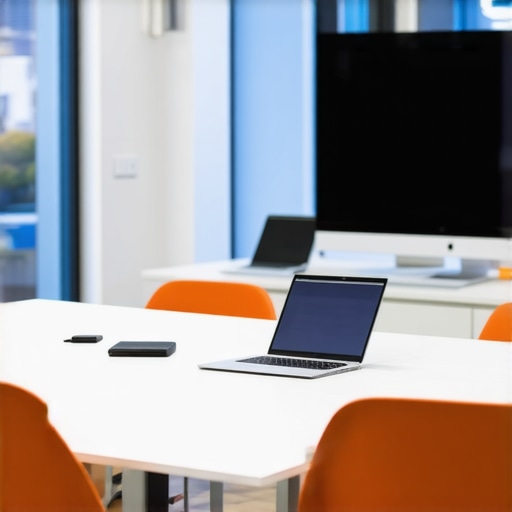
Lessons From My Worst Conference Room Failures
One of the most eye-opening lessons I learned was that the attitude and energy in your workspace often outweigh the physical setup. For instance, I once hosted a session in a dull, windowless room, unaware that it was draining attendees’ creativity. That experience taught me that environments actively influence engagement and innovation. I also realized that hosting workshops without clear objectives can lead to wasted time and missed opportunities—clarity of purpose is paramount. Finally, consistently neglecting tech readiness can sabotage even the best content; ensuring your tools work flawlessly is a crucial step many overlook.
Tools and Insights That Changed How I Approach Startup Spaces
Investing in flexible, tech-savvy coworking spaces has transformed my workshops. I trust platforms like Best Meeting Conference Room Strategies for Startup Success for insights on choosing environments that foster growth. Also, I rely on tools like Maximize Startup Success with Flexible Meeting Rooms to stay agile and scalable. For tech setup, I swear by solutions to prevent tech glitches—they keep my focus where it belongs: building relationships, not fixing problems. Lastly, reading resources like Ultimate Coworking Conference Rooms for Startup Growth has expanded my understanding of how space shapes startup culture.
Embracing Change to Elevate Your Startup Workspace
The journey from a makeshift startup office to a strategic coworking environment is ongoing. I encourage you to view your workspace as a dynamic tool, not just a place to sit. Regularly assess whether it supports your team’s creativity, collaboration, and energy. Don’t be afraid to experiment with new layouts or tech upgrades—what worked yesterday might not be enough tomorrow. Remember, the most successful startups understand that their environment reflects and enhances their mission. So, take actionable steps today—whether it’s revamping your conference setup or exploring innovative coworking spaces—and watch your startup thrive.