
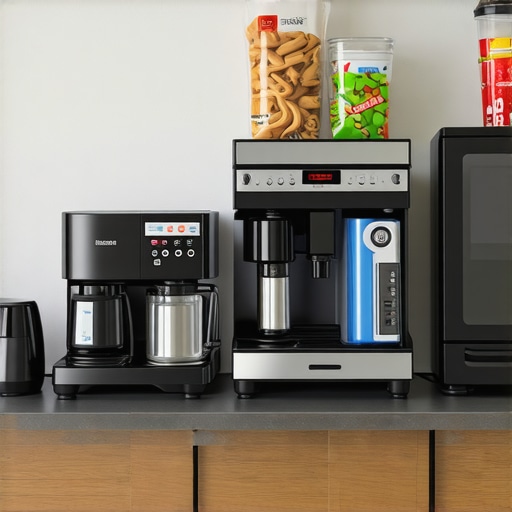
I remember the moment it hit me—walking past our conference room with its shiny new coffee machine, only to realize my team barely used it. Despite investing hundreds into amenities meant to boost productivity and morale, they often sat untouched, gathering dust. It was a frustrating revelation that many startups and growing teams face: how do you justify the ongoing costs of amenities nobody actually uses?
Why Are We Still Bleeding Money on Unused Office Perks?
In the early days of our startup, I was eager to create a desirable work environment. So, we signed up for all the trendy amenities—free snacks, plush lounge areas, and state-of-the-art meeting rooms. But soon, I noticed the expenses mounting without any real return. It wasn’t until I took a closer look at our usage data that I realized most of these perks were underutilized or completely ignored.
This pattern isn’t unique. According to a report by Gensler, 70% of employees say they value quality workspaces, yet many companies overspend on amenities that don’t align with their teams’ actual needs. The truth is, it’s easy to fall into the trap of equating fancy features with productivity, but if your team isn’t using them, you’re just throwing money out the window.
What’s the solution? We need to shift from a ‘more is better’ mentality to a smarter, more intentional approach—focusing on amenities that genuinely add value and investing in flexible spaces where team members want to spend their time.
Are you facing the same dilemma—wasting resources on unused extras? If so, don’t worry. There are practical ways to optimize your office amenities and cut costs without compromising on quality. Next, I’ll walk you through how to identify what your team truly needs and how to create a workspace that is both effective and budget-friendly.
But first, let’s address some common skepticism about this approach.
Is Removing Office Perks Actually Worth the Effort?
Early on, I made the mistake of thinking that cutting perks might demotivate employees. I believed amenities were the secret to happiness at work. However, I learned that strategic investments matter more. It’s about understanding your team’s habits and preferences. By aligning amenities with actual usage, I managed to save money while boosting overall satisfaction—proved by happier, more engaged staff.
If you’re still skeptical, remember: smart budget management isn’t about stripping everything away; it’s about investing in what truly matters. Keep reading, and I’ll show you how to uncover that in your own space, ensuring every dollar spent supports your team’s productivity and well-being.
Assess Actual Usage Before Making Changes
Start by collecting data on which amenities your team currently uses and which they ignore. Use surveys, informal conversations, or digital analytics if available. For example, I once noticed our lounge area was rarely used during off-hours, so I logged usage over a month. This messy yet revealing process showed me that investing in a high-end coffee machine was unnecessary, as most preferred bringing their own or skipping caffeine altogether.
Identify Your Team’s Core Needs
Pinpoint the essential functions your team requires from their workspace. Are private phone calls frequent? Do collaborative sessions happen daily? Focus on these needs instead of flashy extras. For instance, during a team offsite, we realized our meeting rooms lacked soundproofing. Addressing this immediately helped us conduct confidential discussions without distractions, illustrating the importance of listening to actual workflow pain points.
Prioritize Flexible and Scalable Spaces
Design your environment to adapt as your team grows. Use modular furniture or adjustable layouts. When expanding from 5 to 15 members, I reconfigured a coworking space to include movable partitions, turning an open area into multiple quiet zones. This approach avoided costly renovations and supported ease of transition, much like tuning a musical instrument to fit different songs.
Create a Feedback Loop for Continuous Improvement
Regularly solicit input on space usability. Set up monthly check-ins or digital forms. After launching a small trial of quiet booths, we asked for feedback and found that most appreciated the privacy. We then invested in a few more cabins, which boosted productivity without overhauling our entire layout. Consider this an ongoing process, akin to refining a recipe based on tasters’ responses.
Implement Cost-Effective Technology Upgrades
Upgrade technology in areas that support your core needs. If remote meetings are frequent, invest in high-quality cameras and sound systems. I once replaced outdated conference tech with a simple HD webcam and portable speaker, dramatically improving meeting quality at a fraction of a new boardroom setup. These small tech tweaks can be game-changers, especially in a dynamic startup environment.
Leverage Community Spaces and External Resources
Don’t shy away from utilizing local coworking hubs for overflow meetings or specialized events. They often provide premium amenities and professional environments without the hefty price tag. For example, I booked a conference room at a nearby coworking space, discovering their [future-focused meeting rooms](https://coworkingcentral.com/the-future-of-conference-rooms-in-startup-ecosystems) which foster innovation and collaboration—perfect for brainstorming sessions that need a creative spark.
Many entrepreneurs believe that simply renting a trendy coworking space or a well-equipped conference room guarantees innovation and productivity. However, the truth is more nuanced. A common misconception is that more expensive or high-end spaces naturally lead to better outcomes. In reality, tailored environments that align with your team’s unique workflows are more effective. According to a study by Harvard Business Review, the key to fostering creativity isn’t necessarily about luxury amenities but about designing spaces that suit specific collaborative needs. For instance, startups often overlook the importance of acoustic privacy, which can drastically diminish meeting effectiveness. Instead, they focus on aesthetics, assuming that an Instagram-worthy environment will boost morale. But without soundproof zones or flexible layouts, teams may find themselves distracted or cramped, hindering genuine collaboration.
How can startups leverage advanced coworking features without overspending?
The bottom line: focus on adaptable, purpose-driven spaces rather than following trends blindly. Look for conference rooms that facilitate seamless hybrid meetings or promote spontaneous interaction, which are proven to unlock innovation (see [future of conference rooms](https://coworkingcentral.com/the-future-of-conference-rooms-in-startup-ecosystems)). Don’t get caught in the trap of equating opulence with productivity; instead, invest in environments that genuinely support your team’s evolving needs. Remember, an optimal startup space is one that adapts as you grow and encourages meaningful interaction—so choose wisely. Have you ever fallen into this trap? Let me know in the comments.Maintaining efficient operations in coworking environments and startup teams requires not only the right tools but also a strategic approach to their use and upkeep. As someone who has navigated this landscape extensively, I can confidently recommend specific equipment and software that have consistently delivered ROI and enhanced productivity.
First, invest in a high-quality wireless keyboard and mouse combo, like the Logitech MX Master and MX Keys. These peripherals are renowned for their durability, ergonomic design, and seamless connection, making them ideal for long hours at the desk. I personally use these tools to reduce strain and increase efficiency during back-to-back meetings and deep work sessions.
For communication, Slack remains my go-to platform. Its channel organization, integrations, and search capabilities streamline team interactions and reduce email overload. I’ve customized Slack with integrations like Zoom and Google Calendar to keep everything synchronized, ensuring no meeting or deadline slips through.
Speaking of meetings, upgrading conference room technology can significantly impact your team’s engagement. I recommend investing in a portable, high-definition camera like the Logitech C930e coupled with a quality microphone such as the Rode NT-USB. These devices are easy to set up in any meeting space and deliver crystal-clear audio and video, fostering better remote collaboration. For larger spaces, exploring [the future of conference rooms](https://coworkingcentral.com/the-future-of-conference-rooms-in-startup-ecosystems) can provide insights into scalable tech solutions.
On the software side, task management tools like Asana or ClickUp are invaluable for tracking progress and accountability. I prefer ClickUp because of its customizable views and automation capabilities, which have helped keep our projects organized over the long term.
To ensure these tools remain effective, schedule regular audits of your workflows and equipment. For example, every quarter, I review our hardware and software setups to update or replace outdated components. This proactive maintenance prevents disruptions and keeps the team operating at peak efficiency.
Where do I see this trend heading? The integration of AI-driven productivity apps and IoT devices in coworking spaces is set to revolutionize how teams manage their environments and tasks. Staying ahead means continuously exploring new tools and refining existing workflows. I encourage you to try implementing [advanced meeting room tech](https://coworkingcentral.com/innovative-meeting-rooms-that-boost-startup-creativity) to reap immediate benefits.
How do I maintain these tools over time? Focus on creating a culture of regular review and adaptation. Set quarterly check-ins to evaluate hardware performance and software utility, and solicit team feedback to identify pain points early. Incorporating these habits will ensure your workspace remains modern, efficient, and scalable, propelling your startup toward sustained growth.In my journey through the evolving landscape of coworking and startup spaces, I’ve unearthed several insights that challenged conventional wisdom. One of the most eye-opening lessons was realizing that investing in trendy amenities doesn’t automatically translate to increased productivity or happier teams. Instead, understanding what your team truly values—be it soundproofed meeting rooms or flexible layouts—can lead to smarter, more cost-effective decisions. I’ve learned to prioritize adaptable environments over flashy features, which not only saves money but also fosters genuine collaboration. Exploring innovative conference room designs and tools has shown me that purpose-driven spaces inspire innovation better than opulent but underused amenities. If you’re committed to creating a workspace that genuinely supports your startup’s growth, start by listening to your team’s needs and continuously refining your environment. Success isn’t about what looks good but what works best for your people.