
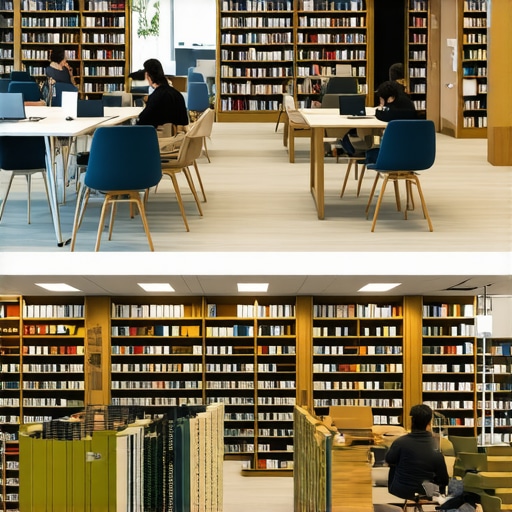
I remember my first few weeks of coworking—excited, eager, and a little naive. I sat in countless conference rooms, waiting for meetings that never quite turned into the vibrant collaboration I envisioned. Instead, I often found myself surrounded by quiet desks, empty coffee stations, and the faint hum of the copy machine. It hit me one day: was this space truly fostering creativity and connection, or was I just working in a glorified library?
Spotting the Difference Between Inspiration and Isolation
In the early days, I made a critical mistake—assuming that any shared workspace with tables and Wi-Fi was enough. But what separated the successful startups from the ones stuck in stagnation was the environment’s ability to stimulate ideas and foster genuine interaction. If your coworking space lacks dedicated zones for collaboration, spontaneous conversations, or creative thinking, it might just be a library with a few desks.
Have you ever felt like you’re just blending into the quiet background of an endless sea of desks? The challenge is knowing whether your workspace truly promotes growth or simply offers a silent place to work. Today, I’ll reveal how to identify the signs and help you choose spaces that energize rather than just accommodate.
Is the Buzz Worth the Business?
One of the biggest pitfalls I encountered early on was mistaking a quiet environment for productivity. I overlooked the importance of intentional design and community emphasis. For example, some spaces feature dedicated innovation labs or social zones designed to spark conversation—think of how [top coworking spaces innovate with meeting rooms](https://coworkingcentral.com/creative-coworking-transforming-meeting-rooms-into-collaboration-hubs-at-0455-pm). Without these elements, it’s easy to feel isolated, even among other workers.
My mistake was thinking that silence and solitude alone would boost my focus. But recent research shows that collaborative environments can increase creativity and output—so long as they are intentionally built for connection. If you’re unsure whether your space truly fosters collaboration, you’re not alone. Many startups and freelancers face this dilemma.
By understanding the key differences, you can now evaluate if your current coworking environment is aligned with your goals or if it’s time to seek out spaces that activate your team’s potential. In the next sections, I’ll guide you through practical steps to assess and choose office environments that truly work for your startup’s growth.
Assess Your Needs with Precision
Start by listing your core activities that require a meeting room—pitch presentations, team brainstorming, or investor updates. Think of this as shopping for a suit: you need the right size and style for your occasion. Once you identify your actual needs, you can filter options more efficiently.
Identify Your Essential Features
Determine non-negotiables such as high-speed Wi-Fi, natural lighting, soundproofing, and enough seating. For instance, during a recent product demo, I realized the dim lighting in our rental space made it hard for clients to see our prototypes clearly. I now prioritize meeting rooms with ample natural light, which significantly enhances presentation quality. To see how the right environment can boost perception, check out this guide.
Scout and Evaluate Spaces Methodically
Visit multiple locations to compare their offerings. Think of each space as a candidate for a job — you want the one that fits perfectly. During a trip to a coworking hub, I tested different rooms: some had echoey acoustics, others lacked privacy. I used this experience to create a simple checklist: Is lighting sufficient? How’s the acoustics? Do I feel comfortable and confident in the space? Use this to avoid costly mistakes.
Test Drive the Tech and Layout
Before finalizing, book short trial sessions to test the tech setup—projectors, screens, conference call hardware—and assess the layout for flow and accessibility. I once reserved a space where the projector’s position created glare, making content hard to see. After switching to a better-designed room, my presentations became more polished, and conversations flowed naturally. For detailed tips on tech readiness, explore this article.
Prioritize Flexibility and Scalability
Choose spaces with adaptable booking options. As your startup grows, your needs change — perhaps you’ll need larger rooms or breakout spaces. I failed to consider this early on and found myself stuck with a contract that didn’t accommodate team expansion, causing frustration. When evaluating, ask about scalability and cancellation policies. For insights into building flexible arrangements, see this resource.
Focus on Connectivity and Privacy
Ensure reliable internet and soundproofing to keep your discussions confidential. During a frantic client call, I experienced constant buffering due to poor Wi-Fi, which disrupted our pitch. Upgrading to a room with dedicated bandwidth made a significant difference. Think of your meeting space as your startup’s cockpit — everything should work seamlessly. To learn more about maintaining privacy in busy environments, visit this page.
Make a Measure of Success
After selecting a space, track how it impacts your meetings — note improvements in clarity, engagement, and outcomes. This ongoing evaluation helps refine your choice over time. I adopted this approach and found that regular feedback led to the discovery of better spaces, ultimately boosting our pitch success rate. Keep refining your criteria and don’t hesitate to revisit your options periodically.
Many entrepreneurs and startup teams fall into the trap of oversimplifying what makes a meeting room truly effective. Contrary to popular belief, the biggest mistake isn’t just about choosing a space with enough seats or Wi-Fi; it’s about overlooking critical nuances that can make or break your productivity and collaboration. For instance, **soundproofing** is often underestimated. A room with excellent connectivity can still be useless if ambient noise from equipment or nearby meetings disrupts focus. Don’t assume that all conference rooms are created equal—it’s the attention to these subtle details that elevates your experience.
Another common myth is that bigger rooms automatically lead to better results. However, overly large spaces can cause disconnection, making attendees feel lost or disengaged. Conversely, too-small rooms might stifle creative flow. The key is to find a balance, one that encourages intimacy and focus while accommodating necessary participants. This is why understanding space scalability and flexibility is crucial; a room that adapts to your team’s evolving size can support growth without hassle.
The ‘Oops’ factor many overlook involves technology integration. A room equipped with the latest gadgets isn’t beneficial if it’s difficult to operate or incompatible with your devices. For example, touchscreen panels should be intuitive, and wireless presentation tools must be reliable. According to a study by the Harvard Business Review, inefficient tech setups can reduce meeting productivity by up to **25%**, emphasizing the importance of well-designed, user-friendly equipment. Don’t forget to test these aspects before booking full-time.
What about privacy and security concerns in startup meeting rooms?
This question is often reserved for high-stakes executive encounters but is equally vital for startups handling sensitive data. Looking beyond the surface, many spaces lack proper soundproofing and secure network segregation, risking confidentiality breaches. Ensuring your meeting environment aligns with your privacy policies can save you from costly data leaks and reputational damage. It’s advisable to review the space’s security measures carefully or opt for spaces that specialize in private, secure setups. For detailed tips, explore how to maximize productivity in designated conference environments.
To further enhance your understanding, remember that in the evolving landscape of coworking, **the future of conference rooms** is leaning towards smart, adaptable solutions. Spaces integrating AI for booking and environmental controls can significantly boost efficiency. This trend reflects a broader shift — the most effective meeting rooms are no longer static spaces but are dynamic environments tailored to specific needs. Dive into newer innovations by visiting this resource.
Have you ever fallen into this trap? Let me know in the comments. Recognizing these hidden nuances can give your startup an edge in building a collaborative and productive workspace.Maintaining an effective workspace is essential for startups aiming to scale efficiently. The right tools and consistent upkeep ensure your conference rooms remain productivity hubs rather than liabilities. I personally rely on a few key strategies to keep things running smoothly, starting with investing in durable, high-quality audiovisual equipment. For example, I permanently installed a wireless presentation system like the [ClickShare](https://www.barco.com/en/products/clickshare), which eliminates the usual tech frustrations of connecting multiple devices and speeds up meeting setup. This kind of seamless tech integration is crucial because it keeps focus on the discussion, not on fixing technical glitches.
Another cornerstone is software management. I use scheduling tools like [Calendly](https://calendly.com) integrated with digital signage to display room availability in real-time. This prevents double bookings or ghost reservations, which can throw off your entire day. Over time, I’ve observed that automating routine tasks not only saves effort but also reduces human errors that lead to downtime or miscommunication.
Looking ahead, I predict that AI-driven room management systems will become the norm. These systems could analyze usage patterns to recommend optimal room allocations, ensuring every meeting space is utilized efficiently. Adopting such solutions early can give your startup a significant advantage.
How do I maintain my conference rooms over time? It starts with regular cleaning and equipment checks—at least monthly. Keep a maintenance log and assign responsibility to a dedicated team member. I also set up a periodic review of tools and tech to determine if they’re still serving the team’s needs; replacing outdated hardware or software before it causes major disruptions keeps everything in tip-top shape.

Investing in sturdy, versatile furniture is equally important. Desks and chairs should be ergonomic and easy to reconfigure for different types of meetings—whether a quick huddle or a full-team strategy session. Consistently reviewing your space’s layout and tools prevents stagnation and helps accommodate your startup’s growth.
Finally, don’t underestimate the power of feedback. Regularly ask your team about what’s working and what’s not. Implementing their suggestions—like adding more whiteboards or upgrading Wi-Fi—can dramatically improve daily operations.
Want to get started? Try setting up an automated scheduling system combined with a maintenance checklist—these small steps can lead to significant long-term improvements, making your meeting rooms reliable and ready for any challenge. If you’d like tailored advice for your specific workspace, don’t hesitate to reach out via [this contact page](https://coworkingcentral.com/contact-us-2). Keeping your tools sharp and spaces well-maintained isn’t just maintenance; it’s a strategic move toward scaling your startup efficiently.
Lessons That Changed My Perspective on Meeting Rooms
One of the most eye-opening realizations I had was that not all conference rooms are created equal—some can stifle innovation, while others spark it effortlessly. I once believed that simply having a dedicated space was enough, but I learned the hard way that thoughtful design and intentional use make all the difference. The biggest mistake I made was underestimating the power of environment to influence team dynamics; it’s not just about renting space but about creating an ecosystem that nurtures growth, creativity, and collaboration.
Another lesson was that technology isn’t a silver bullet—it’s how you integrate and utilize it that truly impacts productivity. I was quick to invest in the latest gadgets, but only after proper testing and user-friendly setups did I see real improvements. The third insight was understanding that flexibility in space design can future-proof your startup, saving you time and money as your team scales. These lessons weren’t easy to learn, but they’ve shaped how I now approach meeting room selection and management with a strategic mindset.
Tools and Resources that Transformed My Workspace Approach
Over the years, I’ve come to rely on specific tools that streamline our workspace management. For seamless scheduling, Calendly has been invaluable—saving us from double bookings and last-minute surprises. When it comes to tech setup, I swear by wireless presentation systems like ClickShare, which keep our meetings smooth and focused. For assessing and choosing spaces, I recommend the detailed guides found here, which help you evaluate every detail from acoustics to natural light. These resources have been game-changers, letting me craft an environment that truly supports my team’s ambitions.
Harnessing Your Meeting Space for Growth and Innovation
Your meeting room is more than just a place to gather—it’s a strategic asset in your startup journey. Take action by regularly reviewing your environment and solicit honest feedback from your team; small tweaks can lead to big results. Remember, the key is to treat your meeting spaces as living entities that evolve with your business—upgrading tech, rethinking layouts, and fostering a culture of openness and experimentation. As the landscape of coworking and office design continues to advance, those who adapt and innovate in their physical environments will find themselves ahead of the curve. Your next breakthrough might just happen in that corner room you decide to optimize today.