
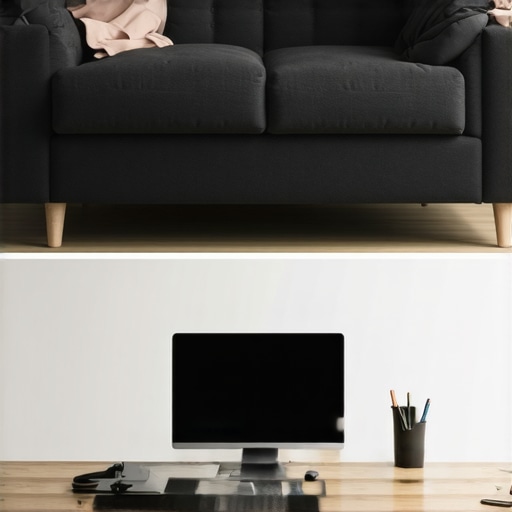
I remember the first day I attempted to host a crucial client meeting from my living room sofa. The cat was knocking over my laptop, my kid’s cartoons blared in the background, and I caught myself thinking, “Is this really professional?” That moment hit me like a ton of bricks. Suddenly, my cozy setup felt more like a barrier than a bridge to success.
Why Your Current Workspace Might Be Holding You Back
It’s easy to slide into the comfort of working from home, especially in the startup world where flexibility is king. But ask yourself: is your home environment truly conducive to high-stakes meetings, brainstorming sessions, or client pitches? If you’re nodding yes, great. But if that little voice whispers, “Maybe I need a change,” then you’re on the right track. Transitioning from your couch to a professional space isn’t just about appearances; it’s about unlocking your team’s full potential and projecting credibility that matters. Numerous studies, including one from Harvard Business Review, show that dedicated workspaces significantly boost productivity and focus—imagine what a quality conference room or coworking space could do for your startup’s growth. I made a common mistake early on: trying to run my entire business from a corner of my living room. It felt convenient, sure, but it blurred the lines between work and relaxation, leading to burnout and missed opportunities. Now, I know that investing in a dedicated area—whether a coworking space or a professional conference room—can be transformative. Have you faced such a dilemma? If so, don’t worry; I’ll guide you through assessing and making that switch effectively, starting with understanding the signs that tell you it’s time for a professional workspace upgrade.
Choose the Perfect Location for Impact
Start by assessing your startup’s specific needs. Are you hosting high-stakes investor pitches or team brainstorming sessions? For critical meetings, avoid casual cafes; instead, opt for a dedicated conference room that exudes professionalism. When I transitioned from my cluttered basement to a sleek coworking space, our meetings gained a new level of credibility, helping us close our first major investor deal.
Identify Suitable Spaces
Search for spaces with soundproofing, reliable Wi-Fi, and a professional ambiance. Use platforms like this guide to find top-rated coworking spaces tailored for startups. Visiting multiple options ensures you find a venue that aligns with your brand image and logistical needs.
Optimize Your Meeting Environment
Once you’ve chosen a space, set it up deliberately. Good lighting, minimal distractions, and comfortable seating boost focus. Think of your conference room as a stage—every element should support your performance. During a recent pitch, we brought portable branding materials and set the room to match our company colors, which visually reinforced our professionalism.
Enhance Relevance with Technology
Invest in high-quality video conferencing tools for remote participants. Test all equipment beforehand to prevent delays. If you struggle with last-minute bookings, learn these strategies to secure a space swiftly. A smooth tech setup can be the difference between a confident pitch and missed opportunities.
Leverage Community and Innovation
Choosing spaces that promote collaboration accelerates growth. Look for creative coworking hubs where startups share ideas and resources. These environments often facilitate informal connections that lead to partnerships or funding opportunities. I remember joining a flexible coworking environment and stumbling upon a potential investor during a casual coffee break—admittedly messy but incredibly fruitful.
Establish Routine and Expectations
Consistency matters. Schedule regular meetings in your chosen space to build familiarity and efficiency. Communicate logistical basics—timing, tech needs, dress code—to team members. A disciplined approach transforms your workspace into a launchpad for success, not just a placeholder.
Many founders believe that simply renting a meeting room guarantees productivity and professionalism, but the truth is far more nuanced. One common myth is that expensive or high-tech conference rooms automatically lead to better outcomes. In reality, an overly complex setup can cause distraction and frustration, undermining the very purpose of your meetings. Instead, focus on spaces that prioritize function over flair, ensuring technology supports communication rather than complicating it. Furthermore, many underestimate the importance of acoustic design; poor soundproofing can derail strategic discussions, especially in bustling coworking environments. An overlooked detail is how room layout influences participants’ engagement; a flexible, ergonomic arrangement fosters collaboration and keeps energy high. For a deeper dive into optimizing your startup’s meeting environment, check out this guide on how to maximize productivity in your conference rooms. Beware of the trap where startups believe that larger rooms or more amenities mean better meetings; often, they backfire, leading to underutilized space and inflated costs. Instead, aim for purpose-built spaces tailored to your team’s workflow and team size. This approach not only reduces wastage but also cultivates a focused atmosphere conducive to innovation. Have you ever fallen into this trap? Let me know in the comments. Remember, strategic choice and thoughtful design in your conference rooms can be a game-changer for your startup’s growth.When it comes to maintaining a high-performance meeting environment, selecting the right tools is crucial. I personally rely on a combination of an HP EliteDragonfly laptop with a 4K display and an ultra-reliable Logitech Brio webcam because they deliver crisp visuals and seamless connectivity, essential for remote team members and client presentations. For real-time collaboration, I champion using Miro, which enables visual ideation and quick iteration during meetings, fostering innovation and keeping everyone engaged. Additionally, I deploy an advanced scheduling system like Calendly integrated with Slack to streamline booking processes, avoiding double-bookings and last-minute scrambles. Using high-quality, noise-canceling headphones such as the Sony WH-1000XM5 helps me preserve focus and reduce distractions when working in shared coworking spaces or open-plan offices—an advantage especially in bustling environments.
How do I maintain this setup over time?
Regular updates are essential: I schedule bi-weekly checks for firmware, software patches, and security updates for all my equipment. Periodic cleaning and ergonomic adjustments prevent hardware wear and improve comfort. Moreover, I review my tools annually, ensuring they still meet my evolving needs; upgrading my webcam or microphone can seem minor but dramatically enhances clarity. Predictably, the future of meeting tools leans towards AI-driven scheduling assistants and augmented reality interfaces that make virtual collaboration feel more natural. Staying ahead of these trends requires deliberate investment now, like adopting new tech as it matures. For example, the latest AI-enhanced conferencing software from Zoom and Microsoft Teams offers real-time transcriptions and meeting summaries—see Microsoft’s official documentation for detailed capabilities. Implementing these tools might be the most impactful move you make this year to keep your meeting infrastructure future-proof. To further optimize your setup, I highly recommend integrating a dedicated meeting room control system, like Logitech Tap or Crestron, which allows one-touch operation of all tech—making your meetings smoother and more professional. Give this a try, and you’ll notice how effortlessly your conference experiences improve just by upgrading your control approach.Reflecting on my journey to optimize startup meetings has taught me that some of the most powerful insights come from unexpected sources. One lesson I learned the hard way was that believing expensive tech or lavish spaces alone guarantee success was a myth I had to dispel. Instead, I realized that small, intentional adjustments—like customizing room layouts for collaboration or streamlining tech setups—have a profound impact on outcomes. Another insight was the importance of cultural fit in choosing spaces; a flexible coworking environment that fosters community can spark ideas and partnerships you never anticipated. Lastly, I discovered that ongoing evaluation of your meeting environment—listening to team feedback and staying adaptable—is crucial for sustained growth. These lessons aren’t just generic tips; they’re personalized insights that have continuously shaped my approach to high-impact startup meetings.