
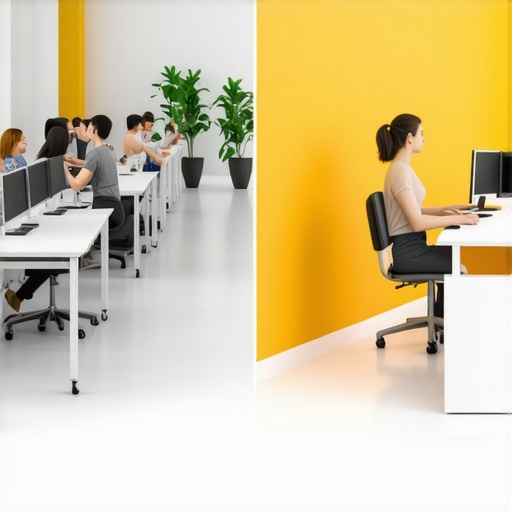
I remember the moment vividly. It was a gloomy Tuesday when I found myself tangled in a web of mismatched desks at my startup headquarters. The chaos of shifting chairs, the endless search for a quiet corner, and the constant battle to stay focused made me realize something had to give. That lightbulb moment made me question everything I thought I knew about workspace organization.
Finding the Perfect Fit: Why Your Desk Setup Matters More Than You Think
As entrepreneurs and remote workers, we often overlook the importance of our physical workspace until frustration hits a boiling point. Is a shared desk environment more stimulating, or does a dedicated, fixed desk promote better productivity and comfort? This question isn’t just a matter of preference—it’s a strategic decision that can impact your team’s efficiency and your company’s growth.
In this blog, I’ll share my personal journey navigating the shared vs. fixed desk debate. We’ll explore the real benefits and pitfalls, backed by research and real-world experience. Whether you’re scaling a startup or optimizing your freelance setup, understanding which workspace model suits your needs could be the game-changer you need.
Is the Hustle to Save Money Actually Costing You More?
Early on, I made the mistake of prioritizing cost-cutting over comfort—opting for cheap shared desks without considering the long-term effects on focus and morale. That mistake taught me that the lowest price isn’t always best. According to a study published in the *Harvard Business Review*, inadequate workspace setup can lead to a 15% drop in productivity. That’s a steep price to pay for a few dollars saved.
If you’ve faced similar struggles—maybe your team’s collaboration suffers, or distractions become the norm—you’re not alone. Choosing the right workspace environment isn’t just about aesthetics; it’s a foundation for success.
Now, let’s dive into the core differences between these two models, how to assess your specific needs, and ultimately, figure out which setup will help you and your team thrive.
Prioritize Your Needs Before Selecting a Space
Start by analyzing your team size, workflow, and collaboration frequency. I once scheduled a quick audit for my startup’s workspace needs, sketching out tasks and team interactions on a whiteboard. This helped me realize we required more private areas for focus and small meeting rooms for client calls. Clarify what features are non-negotiable—high-speed internet, acoustic privacy, natural light—and jot them down. This step prevents costly mistakes and ensures your space supports your business goals.
Assess and Choose the Right Type of Workspace
Decide between dedicated desks, flexible coworking spaces, or private suites. Think of it like selecting a vehicle—an economy car for city commutes or a SUV for family trips. I initially went for a cheap shared desk, but frequent distractions hampered productivity. Later, I switched to a dedicated coworking office with private rooms, which boosted our focus. Conduct a site visit; check the environment, amenities, and accessibility. For insight into the latest options, explore on-demand office spaces.
Test Connectivity and Acoustic Quality
Reliable Wi-Fi and soundproofing are critical. During my first client call in a noisy shared space, my audio cut out repeatedly—embarrassing and unprofessional. Now, I vet spaces by testing internet speed and acoustics beforehand. Use tools like speed tests and ask about soundproofing features. In some coworking spots, you can even request a dedicated quiet zone. This due diligence saves you from interruptions during sensitive meetings.
Design a Work-Flow-Friendly Layout
Arrange your furniture to facilitate natural movement and teamwork. I learned this the hard way when my team’s desks were clustered awkwardly, making collaboration a chore. I adopted a “U-shape” layout, positioning meeting spots near collaborative zones. This encourages spontaneous discussions, akin to how a well-placed kitchen island invites socializing in a home design. Incorporate dedicated zones for deep work, meetings, and relaxation to maintain focus and energy levels.
Implement a Booking System for Meeting Rooms
Avoid double-bookings and conflicts by using scheduling tools. When our startup grew, I was juggling multiple meetings in the same conference room—chaos. I integrated a shared calendar app, like Google Calendar or specialized coworking room management platforms. It’s as simple as reserving your spot 24 hours in advance, preventing surprises. If your space offers online booking, familiarize your team with the procedure to streamline reservations.
Enhance Your Environment for Productivity
Small upgrades can make a big difference. Consider adjustable lighting to reduce eye strain, ergonomic furniture to prevent fatigue, and plants for better air quality. I placed a few potted greenery in our space, which noticeably improved mood and creativity. Visit this guide for more tips on creating a stimulating environment. Remember, a comfortable setting directly impacts your team’s output.
Consistently Review and Adjust Setup
Periodically revisit your workspace configuration. What worked during your startup’s infancy might not suit your evolving needs. Schedule quarterly check-ins to assess comfort, accessibility, and efficiency. I failed to do this early on, leading to bottlenecks; after my review, I made targeted adjustments, such as reallocating quiet zones or adding collaborative tables. Continuous optimization keeps your workspace aligned with growth and innovation.
Many founders believe that choosing a trendy coworking spot or a sleek conference room guarantees productivity, but the truth runs deeper. One common misconception is that bigger or more expensive spaces automatically translate to better outcomes. In my experience, what truly matters are the subtle features—such as acoustic treatment and layout efficiency—that most overlook. For example, a well-designed room minimizes distractions and fosters creative collaboration, while poorly thought-out spaces can create frustrating echoes or dead zones where ideas stagnate. According to a report in the *Harvard Business Review*, small ergonomic improvements in meeting environments can boost team effectiveness by up to 20%. This illustrates that the little details, like table placement or soundproofing, have outsized impacts. Many startups fall into the trap of prioritizing aesthetics over functionality, thinking a glossy new room will impress clients and motivate teams. But this can backfire if the environment isn’t aligned with productivity principles. An advanced mistake I’ve observed is assuming that open-plan coworking spaces promote spontaneous innovation; in reality, noise and lack of privacy often hamper deep work. As pointed out in a study by Stanford University, confidential conversations and focused tasks suffer significantly in open settings. To optimize your space for success, consider the nuances—like adjustable lighting, flexible furniture, and dedicated quiet zones—that foster a collaborative yet comfortable environment. Want to learn more about transforming your meeting rooms into innovation hubs? Explore top coworking spaces that focus on these aspects, such as those highlighted in our guide on creative coworking solutions. Remember, the most overlooked details often provide the biggest boost to productivity. Have you ever fallen into this trap? Let me know in the comments.Maintaining an effective workspace requires the right tools and a proactive approach. I personally rely on a combination of smart equipment and software to keep our conference rooms and coworking spaces functioning smoothly. For example, I deploy Logitech Rally cameras and high-quality microphones to ensure crystal-clear video and audio during virtual meetings, which is crucial as remote collaboration becomes the norm. Additionally, I use scheduling apps like Calendly integrated with our room booking systems to prevent double bookings and streamline reservations. These tools save us time and reduce misunderstandings, making our meetings more productive.
One often overlooked aspect is the importance of regular technical audits. I conduct monthly checks on Wi-Fi bandwidth, test conference room AV equipment, and verify that all software versions are up to date. This habit prevents unexpected glitches, especially when critical client pitches are on the line. For instance, according to a TechRepublic report, routine maintenance of digital infrastructure can reduce downtime by up to 30%, affirming the value of proactive care.
Looking ahead, the trend points toward intelligent, self-maintaining spaces. IoT sensors installed in furniture and equipment can monitor performance, alerting us when maintenance is needed before problems surface. Implementing such systems might seem complex now, but early adoption positions your startup as a forward-thinking leader.
How do I keep my workspace systems running smoothly over time?
Start by establishing a routine maintenance schedule that covers both hardware and software elements. Invest in reliable equipment like wireless presenters, high-fidelity sound systems, and robust networking gear. Use platform integrations to automate room reservations, access controls, and even lighting adjustments, which can be managed via smart home assistants or dedicated apps. For example, I program our lighting to adapt based on the time of day and meeting type, improving energy efficiency and participant alertness.
Furthermore, regularly gather feedback from your team about equipment and environment comfort. This proactive approach helps identify issues before they escalate. For detailed guidance on upgrading your conference room tech, check out our [2024 startup success guide](https://coworkingcentral.com/ultimate-startup-coworking-meeting-room-guide-2024). Enhancing your tools and maintaining your spaces isn’t a one-and-done process—commit to continuous improvement.
If you’re serious about elevating your workspace’s reliability, try implementing IoT sensors for real-time monitoring. These small investments can save you from costly downtimes and keep your operations seamless. For expert advice on integrating such innovations, visit [Coworking Central’s resources](https://coworkingcentral.com/coworking-spaces-unlock-innovation-top-meeting-rooms-of-2025-at-1123-am). By staying vigilant and embracing smart solutions, you’ll ensure your meeting environment remains a catalyst for productivity and growth.
Over the years, I’ve realized that the most crucial lessons about optimizing startup workspaces come from personal experience, not textbooks. One of my top insights is that a flexible, thoughtfully designed environment can unlock hidden productivity and foster a vibrant culture. For example, I once underestimated the power of acoustic privacy until we suffered a series of interrupted crucial calls; investing in soundproof zones transformed our communication flow and morale. Remember, the best workspace decisions rarely boil down to price tags—they hinge on understanding your unique needs and leveraging smart design choices that support growth.
What I Wish I Had Known Before Choosing My Workspace
- One profound lesson was the importance of testing connectivity and acoustics before settling into any space. It’s tempting to prioritize location or aesthetics, but overlooked technical details can sabotage productivity at critical moments.
- Collaborating with a team to audit your environment and define non-negotiable features—like natural light or ergonomic furniture—prevents costly adjustments later. Doing this early is a game-changer.
- Regularly revisiting your workspace setup keeps your environment aligned with growth. I learned that a quarterly review of layout and tools ensures consistency in performance and comfort.
- Creating designated quiet zones and flexible collaborative areas not only maximizes space but also keeps team morale high. Small tweaks in furniture arrangement created big gains in focus and innovation.
- Automation tools that manage room booking and technical maintenance save time and reduce friction. Over time, these systems become invisible heroes behind seamless operations.
Tools and Resources That Changed My Approach
- Google Workspace and Calendly: These integrated scheduling tools streamline reservation processes and prevent conflicts, saving precious time. I trust their reliability for our daily operations.
- Smart AV Equipment: Upgrading to high-quality microphones and cameras like Logitech Rally has transformed our virtual meetings—no more echo or lag. Reliable tech means fewer headaches during critical client interactions.
- IoT Sensors for Maintenance: Investing in real-time monitoring devices helps anticipate issues before they escalate, keeping our environment optimal without constant manual checks. This proactive approach is invaluable for scalability.
- Design Inspiration: Following experts on platforms like Coworking Central has kept me inspired to craft spaces that blend functionality with innovation.
Seize the Moment and Build Your Dream Workspace
Remember, creating an environment that energizes your startup isn’t a one-time fix—it’s a continuous journey of assessment and adaptation. Every change you make, big or small, brings your team closer to a space that fuels creativity, productivity, and success. I encourage you to embrace proactive experimentation and leverage the rich resources available to shape your ideal workspace. Your startup’s future depends on it—don’t wait to craft a space where ideas flourish and ambitions grow.
What’s the biggest challenge you face when optimizing your workspace? Share your experiences below—I’d love to hear your story.
,