

I’ll never forget the sinking feeling in my stomach during a crucial pitch when I realized I was unprepared for the boardroom. The blinking projector, the awkward silence, and the fleeting sense that I missed something essential. That’s when I had my lightbulb moment: having an exact checklist for vetting a high-stakes board room isn’t just helpful—it’s vital for startup success.
Why Your Startup Can’t Afford a Last-Minute Board Room Surprise
Time and again, I see founders scrambling to make last-minute arrangements, assuming any conference space will do. But on the level of a high-stakes meeting—be it investors, key partners, or internal strategy sessions—every detail counts. A well-vetted, purpose-built space can be the difference between sealing the deal or losing credibility. According to a recent survey by Coworking Central, startups that prioritize quality meeting spaces report a 35% higher success rate in funding discussions. That’s not a coincidence.
Does the Checklist Really Matter or Is It Overkill?
Early in my journey, I made the mistake of assuming I could wing it with a generic conference room. Let me tell you—nothing humbles you faster than realizing the projector doesn’t connect, or worse, the Wi-Fi is dead. Having a specific, detailed checklist not only saves time but ensures you’re presenting your startup in the best light possible. So, today, I’ll walk you through the steps I wish I’d known from the start—so you’ll never be caught off-guard in your next high-stakes meeting.
End this section here, setting up a deeper dive into the checklist components, from tech essentials to ambiance, that will empower you to conquer your next boardroom scenario with confidence.
Scan the Space Like a Pro
Start by physically inspecting the room. Check for lighting—ensure it’s bright but not glaring. Test all tech equipment—projectors, microphones, speakers, and Wi-Fi. In a memorable incident, I once arrived and found the projector bulb was out, forcing me to scramble for a backup plan. Ensuring all tech works seamlessly saves time and keeps your presentation smooth.
Verify Technology Ahead of Time
Book the room well in advance and arrive early to set up. Connect your laptop, test the projector, and have adapters ready. If possible, bring a portable Wi-Fi hotspot as a backup for unreliable connections. Remember, the goal is to eliminate surprises—like the time I forgot my HDMI adapter and had to rely on a colleague’s spare, which luckily worked and prevented an embarrassing delay.
Create an Ambiance that Inspires Confidence
Second impressions matter. Choose a room that embodies professionalism—neutral decor, minimal clutter, and good acoustics. Add a personal touch like a few startup awards or a motivational poster. I once hosted a pitch in a space that felt sterile; the lack of atmosphere dampened energy. Slight adjustments, like rearranging chairs for a more intimate setup, can boost engagement.
Arrange the Seating Strategically
Opt for a layout that fosters connection—U-shape or boardroom style. Avoid rows that isolate attendees. I once arranged seats in a circle but faced issues with inadequate table space, which I corrected by removing non-essential furniture. Thoughtful arrangement keeps the conversation flowing and prevents attendees from feeling distant.
Prepare Materials That Pack a Punch
Have digital copies of your presentation ready and distribute them beforehand via email or a shared drive. Bring printed handouts if appropriate, but keep them brief. During a crucial investor meeting, I handed out concise one-pagers that summarized key points; the clarity made a big difference in their understanding and confidence in our startup.
Set Up Visual Aids Effectively
Use high-quality visuals—charts, infographics, or videos—to support your message. Test these aids in advance, ensuring they display correctly on the room’s equipment. Remember, a cluttered slide deck distracts, so keep slides clean and to the point. I once overloaded a presentation with animations, which distracted from the core message; simplifying visuals improved audience focus.
Double-Check the Logistics
Confirm booking details—date, time, and room number. Share the agenda with all participants beforehand. If inviting external guests, provide clear directions and parking info. An effective step I learned was to send a reminder the day before, which reduced no-shows and confusion during a high-profile meeting.
Have a Backup Plan Ready
Prepare for technical failures by having a secondary device or offline copies of your materials. Also, plan the meeting flow—know when to switch topics or handle interruptions. During one presentation, a sudden internet outage threatened to derail us; having printed slides allowed us to continue uninterrupted, preserving professionalism.
Incorporate Feedback to Improve
After each significant meeting, ask for honest feedback from attendees about the space and your setup. Use insights to refine your process. My first few attempts involved trial and error, but over time, I optimized the environment for maximal impact, making each meeting more polished than the last.
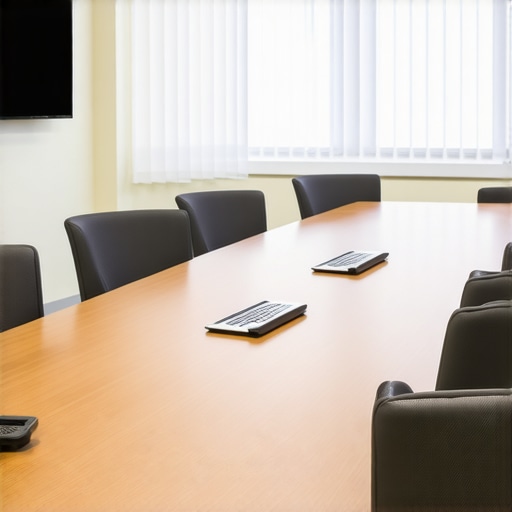 Many founders operate under the assumption that any meeting space suffices for high-stakes discussions, but this oversimplification can be costly. It’s a common misconception that the choice of conference room is merely aesthetic or logistical; in reality, it’s intertwined with your startup’s perception and success. Contrary to popular belief, bigger isn’t always better — a well-designed, intimate meeting environment can foster more genuine collaboration and trust, as noted by coworking industry experts. Moreover, a frequently overlooked nuance is the impact of room acoustics and technology integration on communication clarity; subpar sounds or lagging tech can derail your agenda despite the room’s appearance. Don’t fall prey to the myth that your startup can make do with less expensive or makeshift spaces for critical meetings. Often, the hidden costs of disruptions and the perceived lack of professionalism outweigh the initial savings. Advanced startups now recognize that selecting the right space involves evaluating beyond surface features, considering factors like natural lighting, privacy levels, and how the environment aligns with your company culture — elements that influence team morale and client impressions. For a comprehensive approach, explore how to choose a space that scales with your growth, aligning your meeting environment with your long-term vision. External studies show that physical environment significantly influences decision-making processes; as explained by environmental psychology research, ambient conditions can impact perceptual biases and confidence levels during negotiations. So, are you making the most of your conference room choices? Are you aware of the subtle yet impactful elements that make a space truly effective? Remember, every detail counts when striving for startup success. For insights on future trends, check out this article on the future of conference rooms in startup ecosystems. Have you ever fallen into this trap? Let me know in the comments.
Maintaining a high-functioning conference room is crucial for startup success, especially as your team and client demands grow. The right tools can streamline your meetings, reduce technical hiccups, and create a professional environment that leaves lasting impressions. I’ve personally relied on specific equipment and software to keep our spaces ready for any situation. For example, Logitech’s MeetUp videoconferencing camera has been a game-changer, providing seamless integration with our existing setup, excellent audio clarity, and ease of use—indispensable during hybrid meetings. Additionally, mSure’s digital checklists help me ensure every technical detail is verified before important calls, boosting confidence that nothing will go wrong.
One trend I see heading into 2025 is the increasing importance of smart meeting rooms integrated with IoT devices. These setups automatically adjust lighting, temperature, and even prepare all tech when you enter, allowing teams to focus solely on collaboration. To stay ahead, startups should consider investing in these innovative solutions early, as they provide long-term savings and a more polished experience for clients and team members alike.
How do I maintain my conference tools over time?
Regular checkups are key. Schedule quarterly audits of your tech—including updating firmware on devices like digital whiteboards, projectors, and microphones—to prevent compatibility issues. Keep spare cables, adapters, and batteries handy for quick swaps—nothing disrupts a meeting faster than dead equipment. Training your staff or team members on how to troubleshoot common issues also extends the lifespan of your setup and reduces downtime. For instance, I run monthly workshops with my team to familiarize everyone with our conferencing tech, which significantly reduces delays during critical meetings.
Looking to ensure your environment stays top-notch? Consider implementing a preventive maintenance schedule that covers everything from cleaning screens to testing audio-visual connections. As technology advances rapidly, staying updated is essential. Predicting where the trend is heading, I believe we’ll see more AI-driven maintenance diagnostics that alert you to issues before they arise, further reducing disruptions.
Finally, don’t underestimate the power of comprehensive documentation. Maintaining a detailed inventory of all equipment, model numbers, warranty info, and troubleshooting guides helps you quickly resolve issues and plan for upgrades. Try establishing a simple digital log accessible to your entire team. It will serve as a living document, continually improving your maintenance process and keeping your conference rooms in mint condition for every important call.
Want to make a real difference? Start by investing in a high-quality camera like Logitech MeetUp and set up a maintenance checklist that is part of your routine. This proactive approach ensures your conference space is always ready to impress and function flawlessly. For more insights on creating effective meeting environments, you might find this resource on maximizing room productivity helpful.
The Hardest Lesson I Learned About Conference Rooms
Early on, I underestimated how much environment influences perception. I thought a standard conference room would suffice, but I learned the value of tailored, purpose-built spaces through a costly mistake. Investing in the right environment signals professionalism and commitment, which can sway investor confidence even before you speak.
How Personal Touches Can Transform Your Meeting Experience
I discovered that small details—like fresh flowers, branded materials, or comfortable seating—create a welcoming atmosphere that fosters openness. These elements helped my team and clients feel valued, leading to more authentic conversations and better outcomes. Sometimes, it’s the personal touches that turn good meetings into memorable ones.
Why Overcommunication Is Your Secret Weapon
From booking to setup, clear communication about logistics, expectations, and tech requirements prevents misunderstandings. I learned this the hard way; last-minute surprises derail momentum. Sharing a detailed agenda and technical checklist with your team ensures everyone is aligned and prepared, making high-stakes meetings flow seamlessly.
My Essential Toolkit for Conference Success
Over time, I curated a set of reliable tools—like Logitech’s MeetUp camera and portable Wi-Fi hotspots—that keep our tech resilient. These investments save me from embarrassing delays and demonstrate professionalism. You don’t need to buy everything at once, but prioritizing proven tech can transform your meeting quality.
Where to Go from Here
If you’re serious about elevating your high-stakes meetings, start by auditing your current spaces and tech. Explore innovative solutions such as smart meeting rooms that automatically adjust settings for maximum productivity—more on this trend [here](https://coworkingcentral.com/coworking-spaces-unlock-innovation-top-meeting-rooms-of-2025-at-1123-am). Remember, every detail, from acoustics to ambiance, influences how your startup is perceived. Don’t wait for a crisis—proactively upgrade your environment and processes to impress with confidence. How have you optimized your meeting spaces lately? Share your experiences below!