
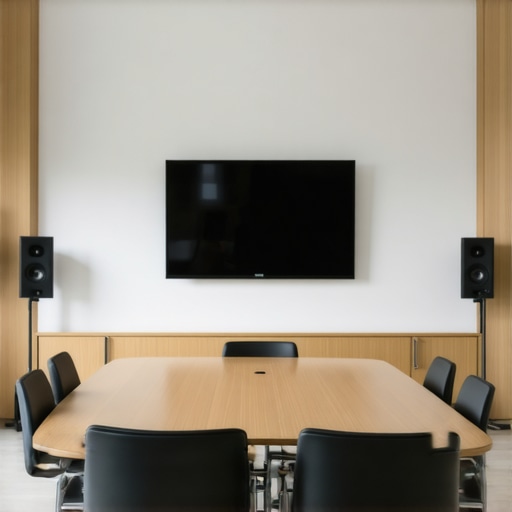
It was a morning just like any other, but as soon as I stepped into our conference room for a crucial pitch meeting, I realized something was off. The room, designed to impress clients, was instead creating chaos—voices muffled, distractions everywhere, and that awkward silence when no one knew if they should speak up. That’s when it hit me: poor acoustics were sabotaging my team’s professionalism and confidence. I felt frustrated, wondering how I had overlooked such an obvious flaw.
The Hidden Cost of Bad Acoustics in Meeting Spaces
If you’ve ever been in a meeting where you struggle to hear or be heard, you know how quickly it derails the conversation. Poor sound quality isn’t just an annoyance; it affects decision-making, team cohesion, and even client perceptions. During my startup journey, I underestimated this issue at first. I thought investing in fancy furniture or high-tech gadgets was enough—until I realized that if people can’t hear each other clearly, all the other investments fall flat.
Fortunately, I discovered that improving acoustics could be a game-changer. Not only does it boost clarity during meetings, but it also fosters a sense of trust and professionalism. Want to know how I turned a noisy, unproductive space into a hub of collaboration? We’ll dive into practical solutions soon.
Is Better Acoustics Overhyped? Here’s Why It Isn’t
Early on, I made the mistake of dismissing acoustics as a minor detail, thinking soundproofing was only for big corporations or fancy conference centers. That was a critical misstep—one that cost us potential deals and momentum. Research shows that 60% of employees find poor sound quality disruptive, leading to increased stress and decreased productivity (source). Don’t let your startup fall into the same trap.
In the next sections, I’ll share proven strategies to enhance your meeting room acoustics, making every discussion productive and every client impression positive. Ready to transform chaos into clarity? Let’s get started.
Identify the Noise Sources and Their Impact
Start by observing your current meeting environment during a typical session. Note where sound leakage occurs—doors, windows, or open ceilings—and identify disruptive noise sources such as street traffic, HVAC systems, or nearby conversations. I remember a time when I hosted a crucial client pitch, and street noises kept bleeding into the room; it was a nightmare that undermined our professionalism. Recognizing these sources is the first step towards tackling poor acoustics effectively.
Optimize Room Layout and Furniture for Sound Absorption
Arrange furniture to minimize sound reflection. Soft furnishings like carpets, curtains, and padded chairs absorb sound waves better than hard surfaces. In my experience, replacing a cold, echo-prone conference table with a padded one and adding thick rugs drastically reduced echo, making discussions clearer. Think of your meeting room as a musical instrument; the right materials dampen unwanted noise and enhance clarity. For startup founders, this is a cost-effective way to improve sound quality without heavy investment.
Install Acoustic Panels and Soundproof Barriers
Invest in acoustic panels that attach to walls or ceilings. These panels trap sound waves, preventing reverberation. I experimented with DIY foam panels last year, which instantly improved sound quality. For larger spaces, consider adding portable room dividers with soundproofing qualities. This step is akin to adding a drum shield in a recording studio—an immediate upgrade that transforms noisy spaces into quiet, focused zones. You can find options tailored for coworking spaces or startups, enhancing both privacy and sound clarity.
Seal Gaps and Voids to Prevent Sound Leakage
Small gaps around doors, windows, and vents can let in a lot of noise. Use weather stripping or door sweeps to seal these leaks. I once spent an afternoon sealing gaps around our conference room door, and the difference was remarkable. Think of this as plugging holes in a dam; it prevents external noise from ruining your meetings. Simple sealing measures are affordable and highly effective, making your space much more soundproof.
Incorporate Technology for Clear Communication
Use microphones and sound masking systems to enhance speech clarity. I recall deploying a wireless mic setup during a critical pitch session—it ensured everyone could hear me clearly, even in a large open-plan coworking area. Modern conferencing tech, like directional microphones and noise-canceling speakers, can significantly improve audio quality. For remote or hybrid teams, these tools prevent misunderstandings and ensure every voice is heard.
Leverage Community Resources and Expert Advice
Many coworking spaces offer dedicated meeting rooms designed with acoustics in mind. If your space lacks this, consider consulting acoustical engineers or space designers who specialize in soundproofing. I once contacted a local expert who suggested simple yet effective modifications—like adding diffusers to scatter sound waves evenly. Connecting with professionals can save you time and money, and their insights are invaluable for creating an environment conducive to focused discussions and creative brainstorming.
Many entrepreneurs believe that simply providing a conference room or coworking space ensures smooth collaboration, but this is a dangerous oversimplification. The common myth is that high-end furniture or impressive layouts are the keys to productivity, yet numerous studies reveal that psychological and acoustic factors play a more significant role in fostering innovation and engagement. In reality, startups often overlook the nuanced psychology behind spatial design, assuming that all meeting rooms serve the same purpose. However, subtle details like room color, lighting warmth, and even furniture arrangement can impact cognitive performance and team dynamics profoundly. For example, research indicates that blue tones can boost creativity, while harsh white lighting may induce fatigue, undermining the purpose of the space.
One crucial mistake I see often is equating the size or modern look of a meeting room with its functional effectiveness. A trendy, expansive conference area might seem impressive in photos, but if it’s acoustically dead or overly sterile, it hampers real collaborative effort. Moreover, many startups fail to recognize the importance of privacy in these spaces. Open-plan coworking zones are excellent for networking, but mixing private brainstorming with noisy communal areas can have a detrimental effect on focus. This oversight can lead to miscommunication, decreased productivity, and even burnout.
A common pitfall is neglecting to design for specific use cases. For instance, planning a room primarily for formal presentations without considering breakout zones for informal discussions or quick huddles can limit flexibility. Additionally, many entrepreneurs assume that technology alone solves collaboration issues. But as highlighted in Coworking Central’s articles on maximizing productivity (how to maximize productivity), comfort and spatial flow are equally critical for effective communication.
Let’s consider a question often overlooked by founders aiming for advanced optimization: How do spatial configurations influence subconscious behavioral cues that affect team cohesion? According to environmental psychology, the arrangement of furniture and spatial zones subtly guides interactions, trust-building, and even conflict resolution. For example, circular seating arrangements foster equality and openness, whereas hierarchical setups can inhibit honest dialogue. Ignoring these nuances can impede the organic development of a strong startup culture.
In sum, innovative startup spaces go beyond surface aesthetics. They involve a deep understanding of psychological triggers, acoustic design, and spatial functionality. Failing to consider these complexities can lead to wasted investments or even hinder growth. Want to dive deeper into transforming your coworking environment? Check out transforming spaces into collaboration hubs for actionable tips.
Have you ever fallen into this trap? Let me know in the comments.Maintaining an effective and well-functioning conference or coworking space requires more than initial setup; it demands consistent care, the right tools, and forward-thinking strategies. One of my go-to tools is Robin Powered, which I use daily to schedule, monitor, and optimize room usage seamlessly. Its real-time occupancy data helps prevent double bookings and ensures spaces aren’t underutilized, saving startup teams time and frustration. Additionally, I leverage SwipedOn for visitor management, streamlining check-ins and keeping our environment secure while maintaining a professional image.
For ongoing maintenance, establishing a clear protocol is vital. I recommend setting weekly reminders to inspect acoustic panels, HVAC filters, and door seals; these small steps prevent larger, costly issues over time. Incorporating regular feedback sessions with team members also uncovers hidden problems early. To track these initiatives, I rely on project management tools like these best practices.
Looking ahead, I believe the trend of smart space management will continue to evolve, with AI-driven analytics predicting usage patterns and automating maintenance alerts before issues become noticeable. According to a recent report by TechCrunch, integrating IoT devices in coworking spaces could reduce operational costs by up to 30% in the next five years. So, what’s the best way to keep your space working optimally?
Firstly, commit to routine inspections and quick fixes—like sealing gaps or replacing worn-out furniture—to prevent escalation. Secondly, invest in the right technology: smart sensors and booking systems streamlining space utilization. And thirdly, cultivate a feedback culture where team members feel empowered to report issues promptly.
For example, installing audio optimization tools can drastically improve sound quality, boosting focus and collaboration. Regularly reviewing usage reports from these tools allows for strategic adjustments, ensuring your meeting rooms adapt to evolving needs. In practice, I use EventMobi to plan and execute maintenance webinars that train staff on these tech solutions, making sure everyone is aligned.
In the near future, expect AI to predict wear and tear, prompting proactive interventions that will save time and costs. Start practicing today by implementing a simple, consistent maintenance schedule and exploring smart booking systems. These small but impactful steps will secure your space’s longevity and productivity.
The Hardest Lesson I Learned About Startup Spaces
One of the most valuable insights I gained was understanding that acoustics can make or break a startup’s environment. Early on, I believed that visual appeal and technology were enough, but I soon realized that poor sound quality leads to misunderstandings, lost opportunities, and team frustration. The moment I prioritized acoustic design, our meetings became more productive and our team more cohesive.
My Breakthrough with Cost-Effective Sound Solutions
Initially, I thought professional soundproofing was out of reach for a startup budget. Then, I discovered simple yet effective DIY solutions—like hanging heavy curtains and placing fabric panels—that significantly improved acoustics. This taught me that meaningful change often comes from small, strategic adjustments rather than costly installations.
A Void No One Talks About That Stalled Our Growth
I overlooked the importance of room layout and furniture in absorbing sound, assuming that tech upgrades alone would suffice. When I finally experimented with arranging softer furnishings and creating designated quiet zones, I noticed an immediate boost in collaboration and focus. This revealed to me that environment design deeply influences team dynamics, beyond just the visual aesthetic.
How Empathy Transformed Our Meeting Culture
Listening to team feedback about noise disruptions uncovered blind spots I hadn’t considered. By making acoustic comfort a priority, I fostered a culture where everyone felt heard—not just in ideas but in their comfort. This experience proved that investing in environment well-being enhances not just productivity but morale as well.
Curated Resources to Elevate Your Space
For practical, affordable acoustic solutions, I rely on 7 Audio Fixes for Clearer Remote Meetings, which offers actionable tips tailored for startups. When exploring room design, Transforming Meeting Rooms into Collaboration Hubs helped me rethink spatial flow and furniture placement. For advanced soundproofing insights, consulting acoustical experts turned my understanding from theory to practical application. These resources became invaluable in creating a space that truly supports innovation.
Your Turn to Make a Difference in Your Startup Space
Creating an environment where ideas can flourish requires more than just good furniture or technology; it demands attentiveness to sound and comfort. By embracing these insights and resources, you can transform your meeting rooms into powerful catalysts for growth. Remember, the smallest adjustments can have the most profound impact—so why not start today? Have you ever struggled with acoustic issues in your workspace? Share your experience below and let’s learn together.