
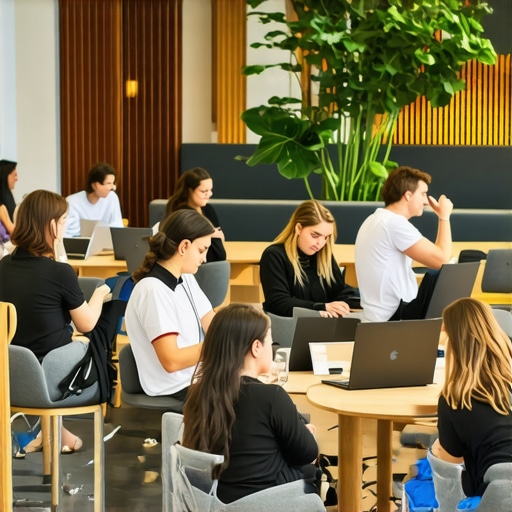
It was a typical Tuesday morning, and I was rushing into a coworking space, late for a meeting that felt more like a rite of passage than a business necessity. As I fumbled with my coffee and my laptop, I overheard a conversation in the corner—a pair of entrepreneurs discussing their latest project. Suddenly, I realized something surprising: the most valuable talent for my startup wasn’t always in the usual places. Sometimes, it was just a few feet away, in the lobby, sharing ideas with strangers just like me.
The Hidden Talent Pool Right Outside Your Office Door
For years, startups have been laser-focused on hiring through traditional channels—LinkedIn, tech conferences, referrals. While those avenues are important, they’ve overlooked a goldmine that’s often right under their noses: coworking spaces. These hubs are bustling with ambitious professionals, freelancers, part-time employees, and even potential hires who are actively looking for collaboration. According to a recent report, approximately 60% of coworking members are open to new opportunities, making these spaces fertile ground for recruiting top-tier talent before they even start the official hiring process.
Many entrepreneurs and hiring managers miss out because they see coworking spaces as just shared offices or trendy cafés. But in reality, these environments foster spontaneous interactions—a phenomenon known as serendipity that can lead to breakthrough ideas and, yes, new team members. I once made the mistake of limiting my hiring pools to conventional methods, and it cost me a promising candidate who I never met through a traditional channel. That experience taught me a crucial lesson: stay open to the unanticipated connections.
If you’re wondering whether a partnership or talented hire might be lurking just around the corner during your next coffee break, you’re not alone. In fact, many successful founders have started their journey by networking in coworking hubs, transforming casual chats into fruitful collaborations. To harness this potential, I recommend frequenting coworking spaces with a purpose—attending events, participating in workshops, or simply striking up conversations in the lounges. It’s not just about working; it’s about building relationships with an ecosystem of forward-thinking professionals.
Are you facing the challenge of finding that perfect addition to your team without sifting endlessly through resumes? If so, you might want to explore how coworking environments can become your quiet secret weapon. Ready to discover practical strategies? Stay tuned as I share actionable steps to leverage coworking spaces for talent scouting and beyond.
Identify the Right Spaces to Visit
Start by researching coworking hubs that attract your target professionals. Look for spaces hosting industry-specific events or workshops, which increase chances of meeting potential hires. Use online directories and reviews to shortlist top options, then plan your visits around peak activity hours to maximize interactions.
Schedule Regular Networking Sessions
Treat coworking visits like appointments. Dedicate specific days each week to coworking, ensuring consistent exposure. Attend meetups and open house events; think of these as fishing trips where every conversation could land a valuable catch. As I once did, plan your visit around community events, which are fertile grounds for spontaneous conversations that led to a key hire when I met a freelance developer at a workshop.
Engage in Conversations with Intention
When chatting with fellow coworking members, be clear about your startup’s goals. Share your needs, whether seeking developers, designers, or marketers. Think of these interactions as planting seeds; nurture them by following up, exchanging contact info, and offering value first. For example, I once exchanged advice on product design during a casual chat, which later resulted in a partnership and potential hire.
Leverage Community Events and Workshops
Participate actively in workshops and seminars hosted at coworking spaces. These are designed to foster collaboration, making them ideal for identifying talent. Prepare your pitch and questions beforehand, much like pitching to investors, to prompt meaningful dialogue. I attended a digital marketing workshop that led to a project partnership—an experience that underscored the power of active participation.
Use Meeting Rooms as Collaboration Zones
Instead of reserving a conference room solely for meetings, transform it into a brainstorming hub. Invite fellow members to co-create or give feedback, which can reveal hidden skills. Consider the space as a laboratory for innovation, where cross-pollination sparks new ideas and connections. I once hosted a mini hackathon in a coworking conference room, which resulted in discovering a talented coder interested in joining my startup.
Apply a Personal Branding Strategy
Present yourself professionally—wear your startup’s branding, carry business cards, and prepare an elevator pitch. Think of the coworking space as an extended office environment where your image precedes you. When I did this during a weekly drop-in, I noticed more members approaching me with potential partnerships and talent leads.
Monitor and Adjust Your Approach
Keep track of interactions and follow-ups. Use a simple CRM or spreadsheet to note who you meet, their skills, and next steps. Regularly assess which coworking spaces bring the best results and refine your visits accordingly. Incorporate feedback and lessons learned; for instance, shifting focus to spaces hosting more technical founders yielded better talent alignment.
Many entrepreneurs think that choosing a standard meeting setup or coworking environment is a straightforward decision. However, misconceptions about these spaces can lead to missed opportunities and costly mistakes. Unlike common beliefs that meeting rooms are just functional spaces, they are actually strategic tools that can influence your startup’s perception and productivity. For example, selecting a generic conference room without considering its layout, acoustics, or ambiance can undermine your professionalism and focus. A 2021 study by Harvard Business Review emphasizes that environment design impacts team collaboration and decision-making more than many realize, warning startups against underestimating the importance of space quality.
Furthermore, many founders assume that coworking spaces are merely shared offices. In reality, top-tier coworking hubs are ecosystems—designed to foster networking, innovation, and knowledge exchange. Opting for a cheap, noisy space might save costs initially but can hinder your startup’s growth trajectory. Clever space selection, including access to private booths or dedicated zones, aligns better with high-performance needs. To grasp the nuances, consider the idea that not all spaces are created equal; and how you use them often matters more than their cost or location. Visiting spaces with an intent to evaluate their environment quality and community engagement can be a game-changer.
Are we overestimating the flexibility of meeting rooms? The answer isn’t as simple as it seems. Many startups believe that a versatile space can replace a well-designed, purpose-built environment. But the truth is, poorly designed or non-specialized rooms often lead to distractions or technical frustrations, hampering execution. For instance, inadequate acoustics can turn a vital investor pitch into a cacophony, while a lack of natural light diminishes energy and engagement. Experts suggest that optimizing meeting environments—through factors like layout, soundproofing, and lighting—can significantly boost productivity and impressions. You can explore how to maximize your existing conference rooms by consulting resources like [this guide](https://coworkingcentral.com/how-to-maximize-productivity-in-your-startups-conference-rooms-by-0245-pm).
**Upgrade Your Space Strategy Now**
Instead of settling for mediocre environments, startups should prioritize spaces that enhance their brand and operational efficiency. Recognize the subtle yet powerful influence of environment design, community dynamics, and purpose-specific setups. Remember, the tiniest detail—like choosing a workspace with advanced soundproofing or flexible layout options—could be the difference between stagnation and acceleration. Don’t fall into the trap of neglecting space quality; your growth depends on it.
Have you ever fallen into this trap? Let me know in the comments.Maintaining an efficient and productive coworking environment requires the right tools and disciplined practices. From hardware to software, my personal approach centers on streamlining operations, fostering collaboration, and tracking results over time. One essential piece of equipment I swear by is the noise-canceling headset, specifically the Sony WH-1000XM5. These headsets drastically reduce background noise, allowing me to focus during critical tasks or calls, especially in open-plan spaces where distractions are common. Complementing this hardware, I rely on Slack for instant team communication, ensuring quick clarifications and updates without clogging email threads. I prefer Slack over traditional email because it helps maintain a real-time pulse on ongoing projects and facilitates casual interactions that build community.
For project management, Asana is my go-to platform. Its visual task boards and timeline features help me track multiple projects simultaneously, and its integration with tools like Slack and Google Calendar keeps everything synchronized. I personally set aside 15 minutes each morning to review the day’s priorities in Asana, ensuring nothing slips through the cracks. This routine keeps our workflow transparent and aligned.
When it comes to maintaining the overall environment, I utilize occupancy sensors linked with a smart HVAC system to optimize energy use based on room occupancy. This not only cuts costs but also maintains a comfortable setting for everyone. Additionally, I leverage calendar booking tools like Robin, which allow team members to reserve meeting rooms efficiently and prevent double-bookings—a common issue in dynamic coworking spaces. [How do I maintain these systems over time?](https://coworkingcentral.com/how-to-maximize-productivity-in-your-startups-conference-rooms-by-0245-pm) Regular software updates and routine hardware checks are critical. For instance, setting quarterly review sessions to assess the effectiveness of noise-canceling headsets or HVAC systems ensures longevity and performance.
Looking ahead, I believe integration of AI-driven analytics will revolutionize how we manage coworking spaces. Predictive maintenance, based on usage patterns, will become standard, reducing downtime and operational costs. Staying ahead means embracing technology and continuously refining your toolkit.
If you’re ready to streamline your coworking environment, start by investing in quality hardware like noise-canceling headsets and establishing routines for regular maintenance. These small but powerful steps will boost productivity and create a space that teams love to work in.
The Costly Mistakes That Taught Me to Look Beyond Traditional Hiring Methods
One of my biggest lessons was realizing that talent often doesn’t fit neatly into job descriptions or LinkedIn filters. During a casual coworking chat, I met a freelance designer whose ideas transformed our branding approach—an opportunity I almost missed because I wasn’t actively engaging in these vibrant spaces. Overlooking the potential of spontaneous conversations in coworking hubs almost cost me a breakthrough. The lesson: be open to serendipity, because some of the most valuable team members arrive when you least expect them.
How Choosing the Right Meeting Environments Can Make or Break Your Startup’s Image
Early-stage startups often underestimate the power of environment. Picking a conference room with poor acoustics or inadequate lighting can sabotage important pitches or investor calls. I learned this the hard way when a poorly designed space undermined my pitch to a potential partner. Now, I invest time in selecting spaces that align with my brand’s professionalism and energy—small details that send powerful signals to stakeholders. Discover more about optimizing your meeting environment at this guide.
Empowered by Priority: Small Space Changes That Spark Big Results
Sometimes, upgrading a single element—like adding soundproof booths or improving natural light—transforms an entire workspace experience. I started with simple changes, like better lighting and noise management, which immediately boosted team focus and morale. These tweaks reinforced my belief that strategic environment design isn’t just aesthetic; it’s a vital tool for productivity and innovation. If you’re curious, check out this resource to discover innovative solutions for your coworking space.
Cornerstone Wisdom from Real-World Coworking Successes
- First Lesson: Spontaneous chats in lounges can lead to game-changing hires—embrace casual interactions.
- Second Lesson: The ambiance and layout of meeting rooms influence perception more than you realize; invest wisely.
- Third Lesson: Small environmental adjustments—lighting, soundproofing, furniture—produce outsized gains in productivity.
- Fourth Lesson: Success stories show that the most overlooked spaces can be your biggest secret weapons—be deliberate in space selection.
My Top Picks for Making Coworking Work for You
- Select spaces with purpose-driven environments
- Prioritize lighting, acoustics, and layout
- Engage actively in community events and meetups
- Seek out quiet corners for focus and deep work
Take the Leap and Transform Your Space Strategy Today
Remember, the right coworking environment isn’t just about convenience; it’s about creating a foundation for growth, innovation, and connection. Every detail—from space selection to environment design—can catalyze your startup’s success. Don’t wait until missed opportunities become missed milestones. Start experimenting with space strategies now and see how they propel your growth. How have recent changes in your workspace environment impacted your startup’s progress? Share your story below!