
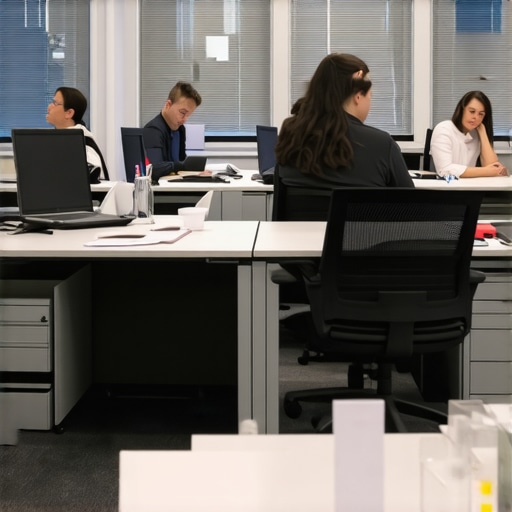
It hit me during a Monday morning meeting, as I watched my team struggle to focus amid the constant hum of chatter, ringing phones, and the clatter of keyboards. The once vibrant energy was replaced with fidgeting, sighs, and a palpable sense of frustration. The culprit? Our company’s shift to an open office layout designed to boost collaboration but instead turned our workspace into chaos. I realized we had fallen into a common trap—believing that openness automatically equates to productivity and happiness.
Dealing with the Noise, Distractions, and Lack of Privacy
In many startups, the promise of an open office is alluring: greater communication, a sense of community, and the freedom to move around. However, what I didn’t understand early on was that open plans also come with significant downsides—especially for teams that need focus and privacy to excel. Our team found themselves distracted constantly, struggling to carve out quiet moments to think deeply or have confidential conversations. The noise pollution was more than an irritant; it was a barrier to our progress.
Research indicates that noise levels in open workspaces can reduce productivity by up to 66%, due to increased cognitive load and stress (source: *Harvard Business Review*). It was probably no surprise then that morale was dipping, and turnover intentions were rising.
My initial mistake was thinking that providing a more ‘modern’ and ‘social’ environment would automatically lead to better collaboration. I overlooked the importance of intentional workspace design—how lighting, acoustics, and layout can make a real difference. You can read about how to optimize your coworking space to boost productivity by checking out this article on maximizing conference room efficiency.
So, what can we do when the open plan isn’t working? That’s exactly what I’ll share next. From identifying the root causes to implementing practical solutions, I’ll guide you through transforming your workspace into a place that fosters productivity, focus, and well-being.
But first, let me ask—have you faced similar challenges with open office layouts? If so, you’re not alone, and solutions are more accessible than you might think.
Create Dedicated Zones for Focus
Break down your open space into clearly defined areas—designate quiet zones with soundproofing or partitions where team members can focus without interruptions. I once arranged movable glass panels in our startup office, which provided immediate acoustic relief and visual privacy. The result? Team members reported feeling less distracted and more productive during deep work sessions.
Use Physical Barriers Effectively
Implement lightweight, movable barriers that can be reconfigured based on daily needs. Think of them as the walls in a modular LEGO set—flexible and adaptable. During a hectic product launch week, I used these partitions to carve out a temporary quiet zone, which helped our developers concentrate amidst the chaos.
Optimize Conference Room Scheduling
Foot traffic and last-minute bookings often turn conference rooms into unpredictable spaces. Develop a clear scheduling protocol—use digital booking tools that sync with your team’s calendars. I adopted an online system that allowed team members to see room availability instantly. This minimized conflicts and prevented discussions in open areas, which previously distracted others.
Prioritize High-Quality Equipment
Ensure conference rooms are equipped with reliable high-speed Wi-Fi, quality microphones, and a professional backdrop for video calls. For critical meetings, I tested different setups and found that investing in noise-canceling microphones drastically improved call clarity, reducing misunderstandings and the need for repeated explanations.
Leverage Technology to Reduce Distractions
Use noise-canceling apps or white noise generators—think of them as the noise-canceling headphones for your entire office. I set up ambient sound machines near our most active zones, which muffled background chatter. As a result, staff could work more comfortably without feeling isolated.
Encourage Use of Personal Headphones
Promote quiet and focus by allowing team members to listen to focus-enhancing music or white noise on their headphones. This simple step acts like a personal buffer, creating a bubble of concentration in bustling environments.
Promote Privacy Policies and Culture
Develop and communicate clear policies to respect shared spaces—like avoiding loud calls in open areas and knocking before entering focused zones. I organized a quick workshop to instill this culture, which significantly reduced disruptions and fostered mutual respect among team members.
Highlight Flexibility and Feedback
Regularly solicit feedback on the workspace setup and be ready to adjust. Think of your office as a dynamic organism—what worked last month might need tweaking today. Iterating based on real experiences ensures your environment continues to serve your team’s evolving needs.
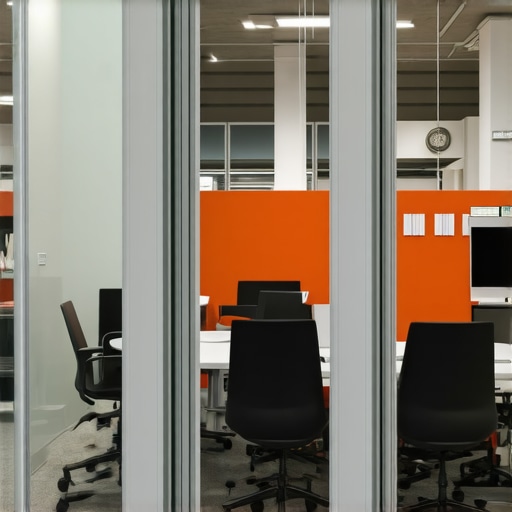 Many founders believe that simply investing in sleek conference rooms or trendy coworking spaces guarantees innovation and productivity, but this is a dangerous oversimplification. The real nuance lies in how these spaces are utilized and the assumptions we hold about them. One common myth is that the quality of the room’s tech or design alone will catalyze better collaboration. In reality, without fostering the right culture or setting clear expectations, even the most state-of-the-art meeting rooms can become underutilized or misused, leaving startups frustrated and money wasted. For instance, a startup might allocate a premium conference room with top-notch audio-visual equipment, assuming that will attract investors or impress clients. However, if the team still defaults to informal hallways or cafes for meetings because they’ve never established a proper booking protocol or etiquette, the investment goes underappreciated. Interestingly, many overlook the importance of adaptability in conference spaces—designs that are too rigid often hinder spontaneous collaboration, which is vital in fast-paced startup environments. An advanced mistake some make is neglecting privacy concerns, especially given the rise of open-plan coworking settings; confidential interviews or strategic discussions require dedicated, soundproof areas. Without this, sensitive conversations spill into open spaces, compromising trust and professionalism. The truth is, the most innovative startups tailor their meeting culture to their specific needs, aligning physical space, technology, and etiquette. For example, leveraging best practices for maximizing conference room productivity can turn a simple room into a strategic asset. Yet, a misconception persists—that fancy spaces alone drive results. As I see it, the secret lies in integrating these spaces seamlessly into your workflow, fostering intentional use rather than passive existence. An advanced question is: How can startups design flexible, multifunctional spaces that evolve with their growth? Research suggests that adaptable environments encourage innovation and reduce costs over time by shifting with team needs (source: Harvard Business Review). Remember, the goal isn’t just about having a high-end setup but creating an environment that amplifies your culture and workflows. Have you ever fallen into this trap? Let me know in the comments.Maintaining an efficient and productive workspace, especially in dynamic startup environments, requires more than just initial setup; it demands ongoing attention to tools, technology, and organization. Personally, I rely on a combination of robust hardware and smart software to keep everything running seamlessly. For example, I use Jameson Microlink’s PowerMonitor to track hardware performance metrics in real time, helping me identify potential failures before they disrupt work. This proactive approach allows me to schedule maintenance and upgrades during off-peak hours, minimizing downtime and preserving team momentum.
Beyond hardware, software tools play a crucial role. I recommend Notion for project tracking and documentation because of its flexibility and integration capabilities. It consolidates meeting notes, project timelines, and task assignments into one accessible platform, reducing chaos and ensuring everyone operates with the latest information. For communication, I’ve found Slack invaluable, especially when integrated with bots that automate routine updates, so I spend less time on manual reporting and more on strategic work.
Long-term results hinge on regular audits and updates. I set quarterly reviews to evaluate our tools and processes, ensuring they still serve our evolving needs. During these sessions, I review analytics—often through dashboards I’ve customized in tools like Tableau—to identify bottlenecks or underutilized resources. This process helps us optimize workflows and plan for scaling effectively.
Scaling your workspace without chaos involves automation. I’ve invested in Zapier workflows that automate routine tasks, such as onboarding new team members or updating call schedules. These automations cut down error rates and free up team members for higher-value activities.
How do I maintain equipment and software over time?
Regularly scheduled checks are vital. For hardware, I adhere to manufacturer recommendations and establish a preventive maintenance routine—cleaning, firmware updates, and component checks. For software, I rely on automatic updates and subscription plans that include support and patches, reducing vulnerabilities and glitches. Additionally, I keep a shared maintenance log—paired with tools like this detailed article on workspace optimizations—to track issues and improvements over time.
Looking ahead, I predict that AI-powered maintenance tools will become mainstream. Imagine systems that predict hardware failures based on usage patterns or software analytics, alerting you days or weeks in advance. Implementing such technology now can position your startup ahead of the curve, reducing downtime and ensuring continuous productivity.
To get started, try setting up automated alerts on your critical hardware—using simple tools like PowerMonitor—and schedule quarterly audits of your workspace tools. These small steps can lead to significant long-term gains in efficiency and reliability, helping your startup grow smoothly without technical hiccups. Want to learn more about optimizing your conference room setup for ongoing success? Check out this guide on maximizing conference room productivity.During my journey in transforming our startup’s workspace, I uncovered some hard truths that aren’t often discussed in the glossy brochures of trendy coworking spaces. One of the most profound lessons was that high-tech conference rooms and sleek furniture alone don’t foster innovation—culture and intentional design are crucial. I also realized that flexibility and adaptability in meeting spaces matter exponentially more than fixed setups, enabling us to pivot quickly as our needs evolved. Moreover, ignoring the subtleties of acoustics and privacy can silently sabotage your team’s collaboration and morale, no matter how modern your environment appears. These insights drove home the importance of continuous iteration and listening to your team’s real experiences, not just assumptions or industry buzzwords. Building an environment where your team feels comfortable, focused, and valued ultimately unlocks the true potential of your startup—all starting with thoughtful, deliberate workspace choices.