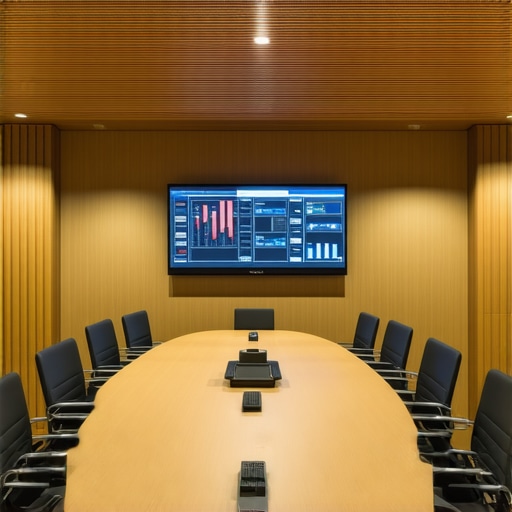
Ever been in a meeting where everyone sits around a table, faces their laptops, and the ideas just won’t flow? I had that moment not too long ago when our team was stuck on solving a complex project challenge. It hit me—that little spark of insight—when we crowded around a whiteboard in our co-working space, chalk in hand, and started scribbling wildly. The physical act of drawing out problems and solutions created an energy that screens simply can’t replicate.
Unlock Creative Momentum with a Whiteboard Session
Since then, I’ve made it a point to host a dedicated whiteboard session at least once a week. And let me tell you, the results have been incredible. Not only do we generate ideas faster, but collaboration feels more natural, and everyone’s voice gets heard. Today, I want to share why stepping away from your digital tools and into a real-world brainstorming session can be a game-changer for your startup or team. We’ll explore how to make these sessions impactful, without wasting time or resources, and help you avoid common pitfalls.
Is Your Team Wasting Time on Whiteboard Skepticism?
When I first suggested using a whiteboard instead of virtual sticky notes, I faced doubts. Early on, I made the mistake of assuming everyone would just get distracted or prefer digital for its convenience. But I learned—mistakenly—that not all digital tools foster spontaneous, creative collaboration. Research supports this, indicating that physically writing out ideas can enhance memory and cognitive processing (source: Harvard Business Review). So, if your team is hesitant or you’re unsure about the value, I get it. Let’s fix that misconception today.
If you’re tired of disjointed meetings and want to ignite real innovation, keep reading. I’ll walk you through how to plan, execute, and maximize your whiteboard sessions so they become a staple in your teamwork.
Now, let’s dive into why this simple, ancient tool—yes, the good old whiteboard—still holds the secret to unlocking your team’s full potential.
Set the Stage with Purposeful Planning
Begin by defining a clear objective for your whiteboard session. For my recent team meeting, I outlined a single challenge: streamlining our onboarding process. I reserved a quiet corner in a coworking space that offered whiteboards and ample space—avoiding noisy open areas by choosing a secluded nook, which made focusing easier. This setup is crucial as it prevents distractions and signals to your team that this is a dedicated creative time. Planning also involves gathering relevant data or sketches beforehand, ensuring that time isn’t lost hunting down information during the session. Check out creative coworking spaces for ideas on transforming ordinary rooms into collaborative zones.
Engage with Hands-On Facilitation
Assign Roles to Maintain Focus
Designate a facilitator to keep the energy moving and participants engaged. I played the role and learned to gently steer the conversation back on track when it veered into tangents. Assigning roles like note-taker and timekeeper ensures everyone remains involved and accountable. During my session, I noticed that having a clear role for each person boosted participation and prevented the typical awkward silences.
Start With a Micro-Story to Break Ice
I kicked off our whiteboard session by sharing a quick story about a past failed project that taught me the importance of early-stage brainstorming. This personal touch broke the ice, making the team more comfortable to scribble ideas without judgment. The messy drawings and wild ideas that followed eventually led to our breakthrough—an improved onboarding workflow that we implemented within a week. This initial story underscores the power of vulnerability to encourage open contribution.
Use Visuals and Symbols to Clarify Ideas
Encourage your team to draw diagrams, arrows, and icons instead of just words. During my session, a simple flowchart on the whiteboard became the backbone of our new process. Visuals simplify complex concepts and make them more memorable. If your team is hesitant to draw, remind them that stick figures and rough sketches work perfectly—perfection isn’t the goal, clarity is. For inspiration, see innovative meeting rooms designed to support creative visualization.
Iterate Quickly Without Overthinking
Encourage rapid idea generation, then immediately build on or refine them. I saw the value in this firsthand: our initial scribbles were messy, but within minutes, we clustered similar ideas and identified common themes. This approach avoids paralysis by analysis and keeps momentum high. When an idea seems rough, remember—whiteboards are for quick captures, not polished presentations. This technique was pivotal in moving our project from brainstorming to actionable steps swiftly.
Wrap Up with Clear Next Steps
End each session by summarizing the key outcomes and assigning specific actions. For instance, after our session, I created a checklist of tasks derived from the whiteboard sketches and assigned them to team members with deadlines. Clear follow-up prevents the session from fading into memory and ensures momentum continues. Link to maximizing productivity in coworking conference rooms for strategies on maintaining focus beyond the whiteboard.
Implementing these grounded steps turned a chaotic, unproductive meeting into a creative powerhouse. Whiteboard sessions, when executed intentionally, can unlock your team’s full potential and drive tangible results—especially in the flexible environments of coworking spaces and startup hubs.
Many entrepreneurs and managers believe that simply booking a high-end conference room or designing a trendy coworking space guarantees productivity and innovation. However, there’s a common misconception lurking beneath the surface: that amenities or location alone can influence outcomes without addressing the nuanced human dynamics involved.
One critical nuance often overlooked is the assumption that all meeting spaces are equal in fostering creativity or focus. For example, choosing a flashier conference room might seem impressive, but if it’s located near noisy coffee machines or has poor acoustics, it can *hinder* rather than help. Studies, such as those highlighted in Harvard Business Review, show that environmental factors significantly impact team performance and decision-making quality.
A frequent mistake is neglecting the importance of layout and sensory design. An open-plan coworking space might look modern and inviting, but without thoughtful acoustics or control over lighting, it can cause distractions. Many startups fall into the trap of equating open, collaborative environments with increased productivity, only to find their teams struggling with ‘background noise fatigue.’ Effective space design combines visual aesthetics with functional acoustics and lighting — a balance often misunderstood. Explore how top coworking spaces integrate these elements to boost focus.
Another overlooked aspect is the mindset about virtual versus physical spaces. While digital tools are praised for flexibility, many believe that virtual meetings can fully replace in-person collaboration, which isn’t entirely true. Physical rooms enable richer cues like body language and immediate feedback, crucial for nuanced negotiations or creative brainstorming. Forgetting this nuance leads many to over-rely on virtual setups, losing out on the subtle yet powerful interactions that physical spaces cultivate.
Now, here’s an advanced question for the experienced: how can we design conference spaces that adapt dynamically to different team sizes or activities? Achieving this requires understanding the *flexibility of environmental psychology*—creating spaces that can seamlessly transition between privacy and openness, solitude and collaboration. According to research in environmental psychology, adaptable spaces significantly enhance team innovation and satisfaction. For practical insights tailored to startups, check out this guide.
Ultimately, many overlook the ‘human’ factor and treat space as a static solution rather than a dynamic tool. Recognize that quality spaces combine strategic design, environmental psychology, and awareness of team needs. Implementing these nuanced practices transforms ordinary rooms into powerful catalysts for success.
Have you ever fallen into this trap of oversimplifying space’s impact? Let me know in the comments.
Invest in Reliable Equipment for Long-Term Success
Maintaining a seamless experience in conference rooms starts with selecting dependable hardware and software. Personally, I swear by the Logitech Rally series for video conferencing; its ultra-HD clarity and plug-and-play setup make it ideal for frequent use without constant troubleshooting. For audio, I recommend the Shure MXA series microphones—these confound disturbances and ensure every word is captured clearly, even in larger settings, reducing the need for repeated calls and adjustments. Regularly updating firmware and drivers from the manufacturers’ websites ensures compatibility and smooth operation, preventing unexpected glitches that can derail an important presentation or meeting.
Schedule Routine Checks and Updates
Prevent failures before they happen by implementing routine maintenance schedules. Set quarterly inspections to clean and test audiovisual equipment, check network connections, and update software. For instance, I set reminders to verify the Wi-Fi stability and update conferencing apps like Zoom or Microsoft Teams, which regularly roll out valuable security patches and performance enhancements. This practice minimizes downtime, keeps the room’s tech current, and maximizes productivity. Remember, the cost of neglect can be far higher than the investment in regular maintenance.
Empower Your Team with Training and Documentation
One often overlooked aspect is ensuring everyone knows how to operate the room’s tech confidently. I created quick reference guides and conducted brief training sessions focusing on the essentials—like sharing screens, adjusting lighting, or troubleshooting connectivity issues. Not only did this boost confidence, but it also reduced the burden on your IT support. To streamline this further, consider implementing a centralized online resource accessible to all team members, which can be updated as your technology evolves. This helps future-proof your setup and encourages independent problem-solving.
Futureproof Your Space with Modular Design Elements
As your startup grows, so will your needs. Investing in modular furniture and adaptable tech solutions allows for easy scaling without a total overhaul. For example, portable AV carts with plug-and-play features enable quick reconfiguration for different room sizes or purposes. Moreover, integrating cloud-based control systems lets you remotely update and monitor equipment status, ensuring everything runs optimally without on-site intervention. According to a recent report from Coworking Central, flexibility in environment design is key to future-proofing collaborative spaces.
How do I maintain conference room technology over time?
Consistency is key. Set up a regular schedule for hardware checks, software updates, and team training. Automate updates where possible, using tools like PDQ Deploy or ManageEngine, to streamline the process. Also, keep a detailed inventory of equipment with service histories to anticipate replacements before failures occur. Don’t forget to document common troubleshooting steps so team members can resolve minor issues independently, reducing downtime and dependence on external support.
Finally, stay ahead of trends by subscribing to industry blogs and forums like Coworking Central’s updates. These resources often highlight emerging tools and techniques that can keep your conference rooms not just maintained but optimized for the future.
Try implementing a cloud-based monitoring system today to keep tabs on your AV equipment remotely. It’s a proactive step that pays off quickly by reducing unexpected outages and ensuring your meetings proceed without a hitch.