
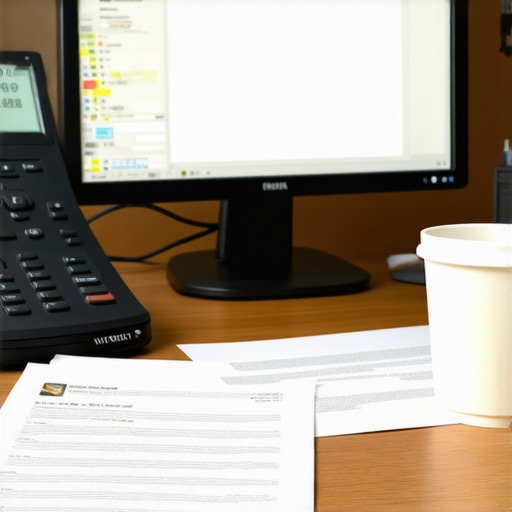
Walking into a startup’s conference room, ready to pitch or brainstorm, and feeling your focus slip away almost instantly—that’s a familiar scene for many entrepreneurs and team leads. I remember countless mornings where I sat down confident, only to be distracted by the subtle, yet relentless interruptions of my environment. It was a frustrating, almost subconscious battle; I knew I needed to be more productive, but something kept pulling me off course. That lightbulb moment? Realizing that the real productivity killers are often lurking in the background, disguised as mere office quirks.
Spotting the Stealthy Saboteurs of Focus
In my early days, I made the mistake of assuming that a noisy coworking space or a poorly designed meeting room was the main villain. Turns out, the biggest threats to my productivity were way more subtle. From the constant ping of notifications and the visual chaos of cluttered desks to the soft, yet pervasive distractions like insufficient lighting or uncomfortable seating—these tiny annoyances added up. As research indicates, about 60% of workplace distractions are covert and go unnoticed, yet they significantly impact our ability to concentrate and innovate. Recognizing these issues was the first step toward reclaiming my focus.
Have you ever experienced a day where, despite your best efforts, you felt unexplainably distracted in your workspace? If so, you’re not alone. Many startup founders and team members face these hidden barriers that chip away at their productivity without even realizing it.
Is Overcoming Office Distractions Really Worth the Hype?
Initially, I dismissed these interruptions as minor, insignificant issues. I believed that if I just pushed through, I could get everything done. But I learned a hard lesson early on: ignoring these subtle distractions can be a costly mistake. Overlooking small environmental factors not only wastes time but also hampers creativity and decision-making. Experts emphasize that a cluttered or uncomfortable workspace can decrease productivity by up to 25%. For startup teams, where every minute and every idea count, this can be the difference between success and stagnation.
If you’re curious about how to turn your office into a productivity powerhouse, stay tuned. We’ll explore practical strategies to identify and eliminate these unseen enemies, based on proven principles and my personal experience. Want to learn how to create a workspace that actually supports your goals? Check out this [guide on innovative meeting rooms that boost startup creativity](https://coworkingcentral.com/innovative-meeting-rooms-that-boost-startup-creativity) for some inspiring ideas.
Now that we’ve set the stage by understanding why these subtle distractions matter, let’s dive into the steps you can take today to reclaim your focus and turbocharge your productivity.
Conduct a Thorough Environment Audit
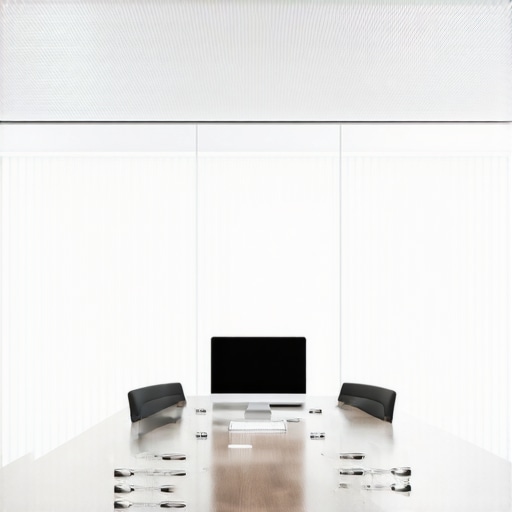
Start by systematically evaluating your current workspace. Walk through your startup’s conference room like a detective, noting every potential distraction: noisy devices, cluttered surfaces, poor lighting, or uncomfortable chairs. Keep a checklist; for example, identify if the room’s acoustics are muffling conversations or if visual distractions are pulling focus. During my first audit, I discovered a projector that cast glare onto the whiteboard, making presentations harder to follow. Addressing such issues immediately can significantly reduce unforeseen interruptions.
Optimize Room Layout for Collaboration and Focus
Imagine your conference space as a stage set—every element should support the scene you want to create. Position furniture to facilitate natural eye contact, reducing the feeling of a barrier between team members. Use circular arrangements for brainstorming to foster inclusion or designate specific zones for focused work. When I replaced traditional rows with a round table in our meeting room, our discussions became more engaging, and team members felt more involved. Remember to keep pathways clear to prevent spontaneous trips or interruptions, and consider modular furniture to adapt to different meeting types.
Control Light and Sound to Minimize Distractions
Think of lighting and acoustics as the ambient music and lighting in a restaurant—those elements set the mood and can either amplify or dampen focus. Install adjustable lighting to prevent glare or dim the lights during screen presentations. Use soundproofing options like acoustic panels or heavy curtains to absorb echo and block external noise. In my experience, adding foam panels to our conference room walls cut echo dramatically, making remote participants feel more connected. Ensure the room’s temperature is comfortable; discomfort can be an unseen focus killer.
Implement Distraction-Free Technology Policies
Treat technology as both a tool and a potential distraction. Create clear guidelines for when devices should be silenced or left outside the room. Use dedicated, wired connections for presentations to avoid connectivity hiccups—nothing kills a meeting faster than a frozen screen. When preparing for a critical pitch, I turned off my notifications and kept my phone on silent to stay fully present. Consider investing in high-quality Wi-Fi and network infrastructure to support seamless collaboration without interruptions.
Establish a Routine for Environment Upkeep
Maintaining your optimized space requires consistent effort. Schedule regular clean-ups and inspections—like turning a garden over to ensure healthy growth. Assign responsibilities, such as one team member to monitor cleanliness or lighting conditions weekly. This proactive approach prevents minor issues from snowballing and keeps your environment conducive to focused, high-quality discussions. I found that setting a monthly audit schedule kept our conference room in top shape, reducing last-minute fix-it sessions and increasing productive meeting time.
Many entrepreneurs assume that purchasing the latest tech or designing an open-plan layout is enough to foster productivity in meeting rooms. However, in my experience, most startups get it wrong not because of what they do but because of what they overlook. A common misconception is treating conference rooms as static, purely functional spaces when, in reality, their failure lies in overlooked nuances that can either hinder or accelerate innovation. For example, the belief that high-end furniture automatically boosts creativity is a myth; ergonomic adjustments and spatial flow matter far more. According to a study published in the Journal of Environmental Psychology, the layout and environmental quality of a workspace influence employee performance by up to 15%.
<--! If you want to see innovative setups transforming typical conference rooms, check out this guide on creative meeting spaces.
One advanced trap many startups fall into is overestimating the importance of these design elements and neglecting the underlying psychology of space. They often focus on branding or aesthetics but ignore how subtle environmental cues influence cognitive function. For example, overly bright lighting or fixed furniture arrangements can create a subconscious sense of rigidity, which discourages spontaneous idea generation. Moreover, the myth that tech can compensate for poor room design is flawed; even the most sophisticated video conferencing equipment can’t fix poor acoustics or uncomfortable seating, which are proven to decrease engagement.
Ever wonder why some well-furnished rooms still feel uninspiring? It’s because of the hidden layer of environmental psychology—a nuance that many miss. For instance, a room’s scent, color palette, and touchpoints can all impact mood and cognitive sharpness. Creating a ‘brain-friendly’ environment requires more than superficial upgrades. An effective approach involves integrating biophilic design principles—adding plants or natural elements—that have been shown to improve concentration and reduce stress, boosting productivity by as much as 15%, according to recent research.
Are you making the mistake of neglecting these subtle yet crucial factors? Bridging this knowledge gap can turn an average conference room into a powerhouse of innovation. For more on how to optimize your startup’s spaces, explore insights from this article or contact us to discuss tailored solutions.
Remember, the success of your meeting environment isn’t just about the space itself but about understanding and leveraging these nuanced psychological and environmental factors. So, next time you upgrade your conference room, ask yourself—are you addressing the surface or the subconscious? Have you ever fallen into this trap? Let me know in the comments.Maintaining an effective and focused meeting environment requires deploying the right tools that support consistency, adaptability, and long-term productivity. One essential resource I personally rely on is Jamf Pro, an Apple device management tool that simplifies the deployment and maintenance of equipment like iPads, MacBooks, and other devices used in conference rooms. With Jamf, I can remotely update software, manage security settings, and troubleshoot issues without disrupting ongoing sessions, ensuring my tech setup remains reliable over time. Another vital tool is Zoom Rooms, which I use for its seamless integration with hardware and its robust space management features. It allows me to schedule, start, and adapt meetings effortlessly, crucial for scaling our operations without chaos. To handle ongoing adjustments in room configuration or lighting, I utilize Lutron Caséta smart lighting systems, which I program to respond to meeting schedules or ambient conditions, helping to maintain an environment conducive to concentration and creativity. Predicting where this trend is heading, I believe AI-driven room management systems will become standard, automatically adjusting lighting, acoustics, and even room layouts based on the meeting type and participant preferences. One question that often arises is, “How do I maintain these tools and setups over time?” Regular software updates, routine equipment audits, and investing in scalable systems are key. Scheduling quarterly reviews—similar to the approach outlined in the 15-minute rule for vetting private offices—keeps everything running smoothly and minimizes unexpected failures. Additionally, training your team on quick troubleshooting protocols ensures that minor issues don’t escalate into major disruptions. Embracing automation tools not only preserves your equipment’s longevity but also frees your team to focus on strategic tasks rather than technical troubleshooting. As I have experienced firsthand, integrating tools like smart management systems streamlines long-term operations. Make sure to document your maintenance procedures—keeping an up-to-date manual ensures consistency, especially as your space scales. The future of meeting room management will likely move towards autonomous ecosystems, reducing manual oversight and increasing reliability. Don’t wait until an equipment failure causes significant downtime—start implementing routine maintenance protocols today. One advanced tip I highly recommend is setting automated maintenance alerts through your management software, prompting you to perform inspections or updates before issues arise. Try this method coupled with scheduled audits to keep your meeting spaces operating at peak performance.
Three Surprising Truths About Meeting Rooms You Might Be Ignoring
One of the most eye-opening lessons I learned was that the subtle environment often overshadows high-end tech in boosting productivity. I once believed upgrading equipment was the secret, only to realize that ergonomic layouts and calming aesthetics had a pure, measurable impact on focus. Another revelation was how space psychology influences team dynamics—simply rearranging furniture or adding natural elements can turn a dull meeting into a lively exchange of ideas. Lastly, I discovered that regular environmental audits save more time and frustration than any fancy software. These fine-tuned adjustments created a ripple effect, empowering my team with a sense of control and clarity that no gadget could replicate.
Tools & Resources That Changed My Approach
My most trusted tools include this guide on innovative meeting spaces which offers fresh design ideas perfect for startups aiming to inspire. I also rely on shared work environments to foster spontaneous collaboration. For ongoing space management, the article on optimizing conference rooms serves as a blueprint. Additionally, insights into future trends keep me ahead. All these resources helped transform my startup’s approach to office environment, proving that continuous learning is key to sustainable growth.
Time to Elevate Your Meeting Environment
Your startup’s success depends not just on big ideas but also on the spaces where those ideas flourish. Don’t underestimate the power of a thoughtfully optimized meeting room—sometimes, small environmental tweaks create the biggest breakthroughs. Whether you’re redesigning a conference room or rethinking your workspace layout, remember that environment psychology and ergonomics are your allies. Take the first step today: assess your space, leverage proven strategies, and watch your team’s focus and innovation soar. The future of effective startup collaboration is as much about the environment as it is about the ideas they generate. If you’re ready to reimagine your meeting rooms, start by reaching out here and let’s craft a space that truly supports your startup’s vision.