

I remember the first time I showcased my startup to a potential investor. Nervous, trying to appear confident, I realized midway through our meeting that my surroundings were whispering stories I hadn’t intended to tell. The mismatched furniture, cluttered shelves, and flickering light didn’t scream professionalism—they screamed uncertainty. That lightbulb moment hit me hard: your physical workspace is more than just a background; it’s your silent ambassador.
Why Your Workspace Could Make or Break Your Funding Chances
Every detail in your office or coworking space subtly influences how investors perceive your startup. It’s easy to overlook this part of your brand, but according to research by the Harvard Business Review, a well-organized, professional environment can significantly enhance credibility and trustworthiness in the eyes of investors (HBR, 2018). In fact, early misjudgments about workspace professionalism have cost startups millions.
Have you ever felt that your environment isn’t telling the right story? Perhaps you’ve invested hours on your pitch deck but neglected the setting where it’s delivered. Believe me, I’ve been there. My biggest mistake was thinking that what matters most is the idea, not the presentation environment. That false assumption nearly cost me a crucial investment opportunity.
Let’s face it: in a world flooded with pitches, how do you stand out? The answer lies in understanding what investors look for in your physical workspace. Today, I’ll share the key factors I learned through personal trial, error, and success—factors that can turn your space into your strongest asset.
But before diving into those secrets, consider this: has your workspace ever been a hurdle during investor meetings? Or maybe you’ve already experienced how a small change can boost confidence and professionalism. Whatever your story, recognizing these elements is the first step toward transforming your environment into a strategic advantage.
Now, let’s explore what truly catches an investor’s eye when they step into your space—and how you can make it work for you.
Optimize Your Conference Room Setup for Impact
To make your startup stand out during investor meetings, start by choosing a space that echoes professionalism. Consider a dedicated conference room with soundproofing, natural light, and minimal distractions. I once set up a temporary meeting in our co-working space’s corner; although makeshift, adding a sleek table and good lighting instantly boosted our credibility. Position your table so everyone faces the entrance, creating a welcoming yet authoritative atmosphere. Ensure there’s enough space for your presentation equipment and note-taking. Test your tech beforehand—think of it as rehearsing a play—nothing derails a pitch faster than tech malfunction. For visuals, keep slides clear and concise, avoiding clutter, like a cluttered desk hampers focus. When inviting investors, double-check the room’s privacy and security features; a space with secure Wi-Fi and noise control says you value confidentiality and professionalism. According to insights from how to choose the perfect conference room, details matter more than you might think. Remember, your physical environment acts as a silent partner in your pitch—the right setup can elevate your story and close deals faster.In the startup world, there’s a widespread belief that a sleek, high-tech conference room automatically guarantees investor confidence. However, as an expert who’s been on both sides of the table, I can tell you this myth oversimplifies what truly influences perceptions. Many founders pour resources into designing impressive spaces, but neglect the subtler nuances that leave lasting impressions.
A common trap is assuming that equipment quality alone makes a space professional. While having the latest projector or video conferencing tools is beneficial, focusing solely on tech overlooks the critical role of environmental psychology. According to a study in the Journal of Environmental Psychology, elements like natural light, spatial layout, and even scent can significantly impact mood and cognitive performance. Overlooking these can inadvertently undermine your startup’s credibility.
Another misconception revolves around the size and expense of a room. Many believe bigger rooms equate to more professionalism, but in reality, a cramped, cluttered space creates stress and distraction. Conversely, a well-organized, cozy meeting area fosters intimacy and trust, which are essential for investor negotiations. It’s less about the physical dimensions and more about thoughtful design.
Have you ever fallen into this trap? Let me know in the comments.
Why Do Advanced Entrepreneurs Focus on ‘Invisible’ Factors in Meeting Spaces?
Savvy startups pay close attention to ‘invisible’ cues—such as privacy, acoustics, and scent—which can influence decision-makers more than visible décor. For example, noise interference can derail a pitch faster than technical glitches. Ensuring soundproofing and control over acoustics provides a quiet, focused environment that conveys professionalism. Additionally, privacy policies, like secure Wi-Fi and data confidentiality measures, signal to investors that you’re serious about security. For detailed insights into creating spaces that boost startup reputation, check out the secrets to choosing the right conference room.
Many founders also underestimate the importance of flexibility. Dynamic spaces that adapt to different meeting types—formal pitches, casual brainstorms, or confidential discussions—show versatility and adaptability, traits investors highly value. Advances in co-working space design now emphasize modular furniture and tech solutions to facilitate this. For more on transforming your meeting environment into a hub of innovation, explore creative coworking ideas.
In conclusion, breaking free from conventional thinking about meeting rooms can be a game-changer. It’s essential to focus on both the tangible and intangible aspects of your space, aligning your environment with your startup’s ethos. Remember, investing in thoughtful design often yields higher returns than merely upgrading gadgets. So, when you plan your next meeting space overhaul, ask yourself: am I considering the full experience, or just the surface? Would love to hear your experiences—share your stories below.
Maintaining your startup’s physical and digital workspace is crucial for long-term success and smooth operations. As someone who’s navigated the challenges of scaling coworking environments and conference rooms, I can attest that investing in the right tools and establishing robust routines makes all the difference. Today, I’ll share the specific tools I personally rely on to keep everything running seamlessly, along with some maintenance strategies that stand the test of time.
Invest in Smart Booking and Management Software
One of the first steps I took was adopting a dedicated conference room booking system like Robin Powered. Not only does it eliminate the chaos of double bookings, but it also provides analytics on room utilization, helping us optimize space over time. I’ve found that integrating a tool like this reduces friction during meetings and ensures our schedule stays fluid without manual oversight. Additionally, advanced features like sensor-based occupancy detection can inform you when spaces are underused, guiding future expansion or reorganization efforts.
Automate Maintenance Checks and Security
Keeping technology and physical assets in top shape requires proactive routines. I use IoT sensors integrated with management dashboards to monitor HVAC performance and security alarms, which helps catch issues early. For regular cleaning and upkeep, I set up recurring tasks via tools like Asana with detailed checklists for maintenance workflows. This systematic approach prevents small issues from snowballing into costly repairs, especially as your space scales.
Prioritize Digital Hygiene and Data Security
In today’s world, cybersecurity can’t be an afterthought. I rely on LastPass for managing passwords securely across devices and ensure all our Wi-Fi networks are protected with enterprise-grade encryption. Regularly updating firmware on smart devices and routers, often scheduled monthly, maintains optimal performance and protects against vulnerabilities. Many founders overlook this, but a compromised network or device can threaten your operations and reputation.
Plan for Future Growth with Modular Hardware and Flexible Spaces
As your team expands, so do your physical needs. I recommend choosing modular furniture and scalable tech solutions like wireless presentation systems, which can adapt to different group sizes. That way, when scaling up, you aren’t caught off guard by hardware limitations. Insights from future-focused coworking designs underscore the importance of adaptable environments for sustained growth.
How do I maintain my startup environment over time?
Consistency is key. Regular audits—monthly tech health checks, quarterly space reviews, and staff feedback sessions—help maintain high standards. Investing in training your team to handle minor issues, such as troubleshooting Wi-Fi or arranging furniture, empowers them and reduces downtime. According to a report by TechCrunch, startups that commit to routine maintenance see a marked improvement in productivity and employee satisfaction over those that neglect this aspect.
Finally, make it a habit to stay updated on new tools and workflows—technology evolves rapidly, and what worked last year might be outdated now. For example, exploring emerging solutions like AI-driven space optimization tools can give you a competitive edge. I encourage you to try integrating one new maintenance tip each quarter; small improvements accumulate over time, creating a resilient, efficient environment that scales with you.
Ready to upgrade your maintenance strategy? Start with a free trial of a smart booking or management system today and see how streamlined your operations become!
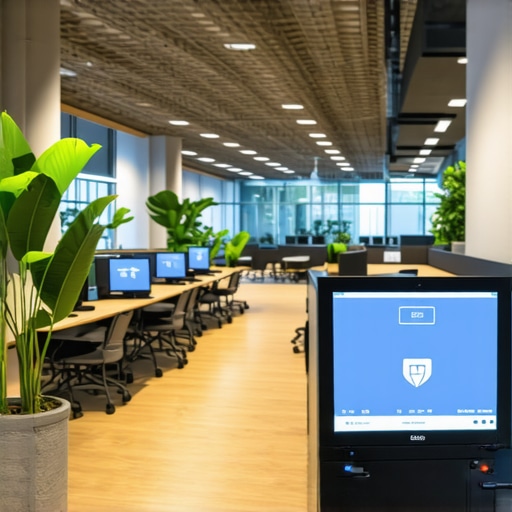
We often focus on the tangible elements — furniture, tech, aesthetics — but some of the most impactful lessons come from the intangible cues we overlook. As someone who’s navigated countless startup environments, I’ve realized that mastering these subtle nuances can be the secret weapon in impressing investors and fostering productivity. Let’s uncover some lessons that aren’t front and center but can dramatically shape your success.
Small Steps, Big Disruptions: Lessons from Hidden Cues
– One crucial insight I discovered is that natural lighting isn’t just a perk; it can influence investor confidence. A well-lit space signals vitality and clarity, making your ideas seem sharper. I once rearranged our room to maximize daylight, and the positive feedback was immediate. – Another lightbulb moment involved scent. A subtle, fresh aroma creates a welcoming atmosphere that calms nerves and boosts focus. I experimented with scented candles during pitches, turning a sterile environment into a warm, memorable experience. – Touching on acoustics, I learned that poor soundproofing can derail even the best pitches. Incorporating simple solutions like acoustic panels helped us maintain focus and project professionalism without the need for flashy tech. – The most underestimated factor? Privacy. Ensuring your conversations are confidential through physical layout or noise barriers reassures investors that your startup takes security seriously. These ‘invisible’ cues, when aligned, can propel your startup beyond expectations in every meeting.
Tools That Keep My Environment Sharp and Secure
– Choosing the right conference room is fundamental, but pairing that with smart management tools like Robin Powered streamlines booking and fosters a dynamic, responsive environment. – For maintaining physical security and peace of mind, I rely on IoT sensors configured through trusted privacy policies. These keep us ahead of issues before they escalate. – Regular space audits using task management apps like Asana help us stay on top of maintenance, acoustics, and even scent quality, ensuring our environment remains inviting and professional. – As our team grew, I invested in scalable, modular furniture and wireless tech solutions from innovative coworking designs, accommodating fluid needs without sacrificing style or function. Staying proactive with these tools and routines keeps our space ready for any challenge and enhances our overall brand perception.
Take Your Environment From Good to Unforgettable
– Your meeting space isn’t just a room; it’s a reflection of your startup’s ethos and ambitions. Focus not only on what’s visible but also on the invisible signals that communicate confidence, security, and innovation. Small adjustments—like optimizing lighting, scent, or acoustics—can position your startup as a serious contender in investors’ eyes. Remember, this is where your story takes shape beyond words. I encourage you to assess your current environment and make at least one meaningful change today. What hidden cues have you overlooked in your startup spaces? Share your experiences below, and let’s learn together how to turn every meeting into a compelling story of professionalism and innovation.