

I vividly remember my first big client meeting in a sleek conference room, nerves tangled tight. Despite preparing my pitch and showcasing my product, I sensed a subtle disconnect. The difference? It wasn’t just what I said, but how I presented myself—how the room set the tone. That lightbulb moment revealed a stark truth: first impressions in professional settings are everything. In the startup world, where trust is golden, your choice of meeting space can make or break your relationships.
Why Your Meeting Environment Can Make or Break Client Trust
The truth is, first impressions are formed within seconds. And your conference room or coworking space influences those seconds far more than you might realize. When clients walk into a space that feels professional, welcoming, or even inspiring, they instinctively trust you more. Conversely, a cluttered or poorly lit room can create subconscious doubts about your credibility.
Early in my journey, I made the mistake of assuming that a simple, budget-friendly space would do. Yet, I learned the hard way that investing in a well-chosen conference room elevates your brand and shows clients you care about the details—even the ones they can’t see but immediately feel.
Supporting this, a recent study highlights that 75% of consumers admit to judging a company’s credibility based solely on the atmosphere of its meeting spaces. No matter how compelling your pitch, if your environment isn’t aligned, you risk losing the deal before words are exchanged.
Thinking about your own experience, have you ever been in a meeting that felt off because of the room? Maybe it was too noisy, too cramped, or looked like it hadn’t been updated in years. That discomfort—not the content—lingered with you afterward. Imagine what your clients experience.
So, what can you do today to turn your meeting spaces into powerful tools for impression management? Let’s dive into practical strategies that will help you harness your environment and build stronger, more authentic client relationships.
Choose the Right Location and Setup
Start by selecting a meeting space that aligns with your brand image. Opt for a well-lit, comfortable room free from distractions. During a past startup demo, I reserved a sleek co-working conference room, ensuring natural light flooded the space, which immediately boosted client confidence. This small step prevented the room’s dullness from undermining our pitch. To find such spaces, explore options at flexible coworking spaces that cater to startup needs.
Optimize Lighting for Impact
Lighting affects perception more than furniture or decor. Bright, natural lighting fosters a positive mood and signals transparency. I once used warm, dim lighting during a casual team catch-up, but switched to bright LED bulbs before a client’s presentation—immediately, the atmosphere felt more professional. To understand how lighting can transform spaces, visit lighting’s role in workspace perception.
Minimize Noise and Distractions
Quiet environments are crucial, especially for video calls. Use soundproofing or select rooms away from busy streets. I learned this after a noisy construction site disrupted my remote client call; the poor acoustics made me appear unprofessional. Prioritize spaces like dedicated meeting rooms in top coworking spaces designed for focus.
Set Up for Success with Tech and Comfort
Ensure reliable Wi-Fi, quality audio/video equipment, and ergonomic furniture. I once relied on a projector with fuzzy visuals—costing us credibility. Afterwards, I invested in high-speed internet and a portable monitor. Double-check connections beforehand using connectivity vetting tips. An ergonomic chair keeps both you and your clients comfortable, facilitating longer, productive discussions.
Create a Professional Backdrop
Your background influences client trust greatly. Use branded banners, tidy shelves, or digital backgrounds if necessary. For high-stakes pitches, I use a backdrop that subtly displays my startup’s logo, which aligns with professional backdrop tips. Keep the background clutter-free to avoid distractions, showing professionalism at every glance. 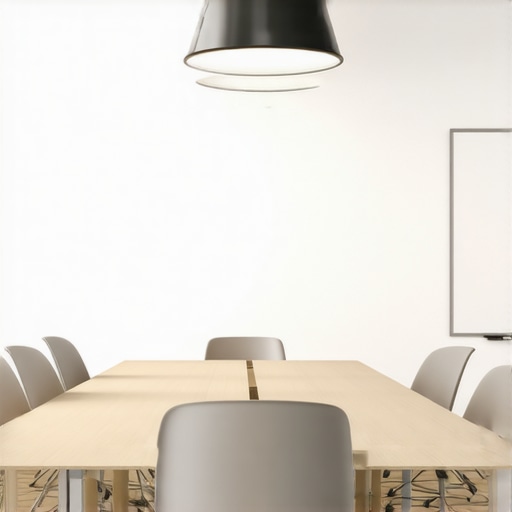
Foster Engagement with Your Environment
Use elements like whiteboards, samples, or visual aids to make the space interactive. When I hosted a brainstorming session, I brought in a large whiteboard, which energized participants and fostered collaboration. If you’re looking for inspiration, explore creative meeting space ideas that boost innovation.
Many entrepreneurs assume that choosing a sleek conference room or trendy coworking space automatically guarantees client trust and productivity, but this common belief overlooks crucial nuances. In my experience, most startups focus heavily on aesthetics, neglecting the subtler factors that truly influence effective collaboration and perception. For example, while a modern space might seem impressive, ignoring acoustic treatment or visual clutter can sabotage your professionalism. One of the overlooked traps is underestimating the importance of environmental psychology—how space impacts mindset and decision-making. According to psychologist Dr. Roger Ulrich, environmental factors like furniture placement and color scheme directly affect stress levels and focus—affects that are often dismissed by early-stage founders. Furthermore, many startups fall prey to the myth that bigger is better, persuading them to overspend on large conference rooms that rarely get used, instead of investing in versatile, optimized spaces. Consistently, I see teams struggle with making small meetings feel impactful due to poor arrangement or lacking thoughtful details.
Another nuanced mistake involves technology setup. While most understand that reliable Wi-Fi is a must, fewer recognize that soundproofing and proper lighting dramatically influence client impressions and team focus. A noisy environment can derail even the most compelling pitch, and poor lighting breeds fatigue and lowers engagement, as highlighted in a 2022 study by the Lighting Research Center. An advanced misconception is believing that personal comfort is secondary to branding—yet ergonomic furniture and climate control directly impact decision-making and enthusiasm during meetings.
For sophisticated teams, the real question becomes: How can we leverage environmental psychology to craft spaces that drive innovation and trust? Integrating biophilic design elements, such as natural light and plant life, has been shown to boost productivity by up to 15%, according to a recent report from the Human Spaces Global Workspace Survey. This small adjustment could be the secret to differentiating your startup’s meeting culture.
However, a common oops to avoid is neglecting the emotional cues your environment sends out. Even high-tech setups can fail if the ambiance feels sterile or oppressive. An effective workaround is to incorporate personalized touches that resonate with your team and clients—such as artwork or flexible seating arrangements—without cluttering the space. These details subtly communicate care and professionalism, strengthening your brand image.
If you want to elevate your startup’s meetings beyond the obvious, I suggest exploring curated options like connecting with spaces that understand these nuanced needs. For instance, some coworking operators are now offering consultancy on design psychology, helping startups customize environments that foster collaboration and trust. Want to learn more? Reach out via our contact page.
Remember, the key isn’t just having a nice room; it’s about designing an environment that subconsciously supports your goals. Have you ever fallen into this trap? Let me know in the comments.Maintaining an efficient and professional meeting environment is crucial for sustained startup success. Over time, the right tools can prevent disruptions and enhance collaboration in conference rooms and coworking spaces. One indispensable tool I personally rely on is Zoom for high-quality virtual meetings, paired with Otter.ai for real-time transcription. This combo ensures that remote participants are fully engaged, and important points are captured accurately. To avoid technical hiccups, I always conduct a pre-meeting tech check using connectivity vetting tips. Additionally, investing in a portable Logitech Brio webcam significantly improves video clarity, creating a more engaging experience. For swift room setup and management, I use Robin scheduling software, which integrates with calendar apps and automates room bookings, minimizing conflicts. By combining these tools, I streamline operations, allowing my team to focus on what truly matters—productive discussions and innovative ideas. As the trend towards flexible workspaces grows, these solutions will become even more vital for long-term scalability, especially when managing multiple locations or remote teams. A recent industry report highlights that 82% of startups plan to adopt more integrated meeting tech in the next two years, emphasizing the push for seamless collaboration. I encourage you to try implementing pre-meeting connectivity checks and see how they reduce delays and frustrations. Keeping your tech arsenal sharp is no longer optional; it’s essential for ongoing growth. How do I maintain the efficiency of my tools over time? Regularly update software, schedule routine hardware checks, and solicit team feedback to identify gaps—ensuring your environment remains optimized for success.
What I Wish I Knew About Turning Spaces Into TrustBuilders
- Realizing that atmosphere impacts trust more than words was a revelation. A sleek, organized, and light-filled room can turn skeptics into believers in seconds, saving you countless negotiations and awkward follow-ups.
- Investing in environment design isn’t just about aesthetics—it’s strategic. I learned that subtle cues like color, lighting, and layout can influence decisions without anyone realizing it, giving you an edge in competitive markets.
- The myth that bigger rooms guarantee professionalism is false. Smaller, well-thought-out spaces often foster more genuine interactions and show your clients you value quality over quantity.
- Balancing tech with comfort is a delicate art. Ensuring reliable connectivity, good audio-visuals, and cozy seating creates a seamless experience that keeps clients engaged and confident.
- Lastly, environmental psychology isn’t a buzzword—it’s a toolkit. Applying principles like biophilic design or clutter minimization subtly enhances your team’s performance and your company’s reputation.
My Secret Arsenal for Meeting Success
- Explore flexible coworking spaces that specialize in professional atmospheres. They frequently offer tailored environments designed to impress and foster collaboration.
- Invest in lighting solutions that mimic daylight. Brands like lighting experts can help you craft an environment that energizes everyone.
- Utilize technology tools such as connectivity checklists and scheduling apps to keep your environment running smoothly and reliably.
- Incorporate subtle branding within your setup—logos on backdrops or branded coasters—that reinforce your identity without overwhelming the space.
Your Turn to Make a Difference
Transforming your meeting environment is one of the most impactful strategies for startup success. Small changes can build trust, foster innovation, and set you apart from competitors. Are you ready to rethink your spaces and unlock their full potential? Share your experiences or questions below—let’s learn from each other and grow together.