

I remember sitting in a corner of a sleek, glass-walled office three years ago, staring at a white laminate table that looked exactly like the thirty other tables around me. I had a coffee in a paper cup, a laptop, and a growing sense of existential dread. I’d been working there for months, but if I’d disappeared that afternoon, the only trace of me would have been a faint ring of condensation on the desk. It felt clinical, cold, and frankly, a bit depressing. We often talk about startup success secrets, but we rarely talk about the mental toll of working in a space that doesn’t feel like yours. You aren’t just a cog in a machine, and your workspace shouldn’t treat you like one.
Why Your Bare Desk is Killing Your Motivation
For a long time, I made the classic mistake of being a ‘digital nomad ghost.’ I thought that by keeping my desk completely empty, I was being efficient and agile. I even thought ditching the home office meant I had to embrace a minimalist, almost sterile lifestyle. I was wrong. My productivity tanked because I never felt ‘at home’ enough to actually focus. Your brain needs cues that it is in a safe, familiar environment to enter a flow state. If you feel like a guest in your own office, you’ll never do your best work.
Is it actually worth the effort to decorate a rental?
You might be thinking, ‘I only pay for a hot desk, why bother?’ or ‘I don’t want to carry a box of stuff every day.’ I get it. But consider this: a landmark study by the University of Exeter found that workers who were allowed to enrich their workspace with plants and photos were 32% more productive than those in lean, bare offices. That is a massive jump just for bringing in a few personal items. Whether you are navigating the pros and cons of fixed desks versus hot desking or you have a dedicated suite, identity matters. Have you ever felt that weird, hollow feeling of working in a space that has zero personality? I’d love to hear how you handled it.
Start with the Anchor Item
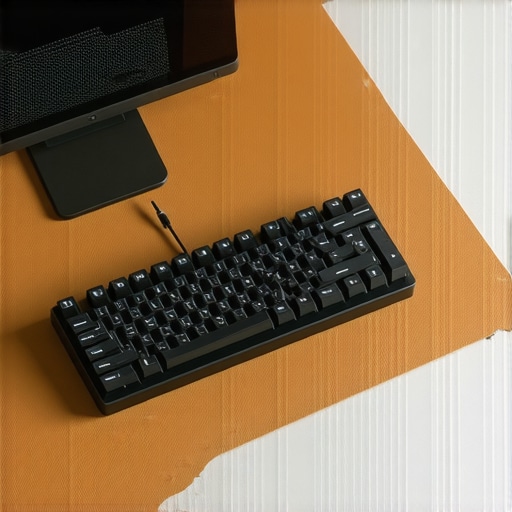
The first step to reclaiming your space is what I call the ‘Anchor Item.’ This is one high-quality, non-negotiable object that signals this spot is yours. For me, it was a specific mechanical keyboard and a leather desk mat. It sounds small, but the tactile difference between that and the cold table surface changed everything. When I started to get the best desk in a hot desking setup, I realized that laying down my mat was like planting a flag. It was my territory. This doesn’t mean you need to bring a U-Haul; it means you need to choose items that provide a high ‘personality-to-weight’ ratio. If you’re lucky enough to be exploring the psychology of the corner office in a shared space, you have even more room to play with, but even a single framed photo can change the vibration of a cubicle.
Fix Your Environment Before It Fixes You
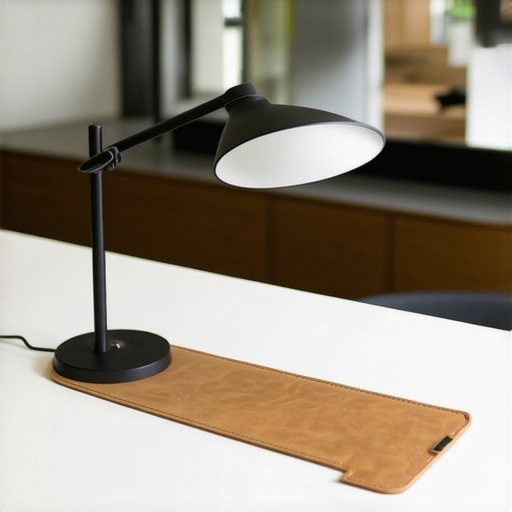
Once you have your anchor item, you need to address the invisible elements that dictate your focus: light and sound. Most shared spaces are lit like a high-end dentist’s office or a moody bar, neither of which is great for eight hours of coding or sales calls. I learned this the hard way during a month where I was ditching the home office for a sleek downtown hub. The overhead fluorescents gave me a dull headache by noon, and my productivity cratered. I started bringing a small, warm-toned desk lamp. It sounds like overkill, but it created a visual ‘bubble’ that signaled my brain it was time to work. If you are doing client-facing work, you also need to master the exact lighting setup for professional video pitches because looking like a ghost on Zoom is a fast way to lose a lead. Control your immediate sensory inputs, or they will control your mood.
Block Out the Chatter and Find Your Deep Flow
The biggest hurdle in any open-plan layout is the audible chaos. You can have the best desk in the world, but if the person next to you is crunching ice or taking loud personal calls, your concentration is toast. I used to think the truth about noise-canceling headphones in shared spaces was that they were just a luxury, but they are actually a survival tool. Beyond just hardware, you need a strategy for how to handle the noise problem in open plan offices. I once worked next to a guy who treated the common area like his private living room. Instead of stewing in silence, I learned to identify the ‘quiet zones’ and move my setup during high-focus blocks. If you are on a team, you also have to worry about digital noise. This is where why endpoint protection services matter more when your team is hybrid becomes a non-negotiable part of your ‘digital desk’ setup. You can’t feel at home if you’re constantly worried about your data being sniffed on a public Wi-Fi.
Turn a Rented Suite into Your Strategy War Room
Personalization isn’t just about your individual desk; it’s about how you utilize the shared resources around you. When you need to collaborate, don’t just sit at the coffee table. You should be looking for innovative meeting rooms that boost startup creativity. I remember hosting a product brainstorm where we felt stuck and uninspired. We moved from the open lounge to a dedicated suite with whiteboards on every wall and circular tables. Suddenly, the energy shifted. We stopped feeling like tenants and started feeling like owners. Understanding the hidden psychology of circular meeting tables can actually change the power dynamics of your session, making it easier to how to facilitate a workshop that doesn’t feel like a chore. Treat the booking system as your personal real estate portfolio. If you pay for the space, use the rooms that actually support the specific type of work you’re doing that hour.
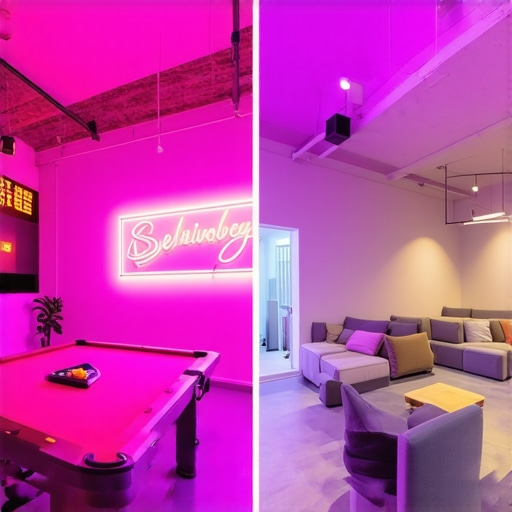
Moving beyond just the room booking, we have to talk about the ‘all-in-one’ illusion. Most founders think that a membership covering everything from yoga to craft beer is the peak of professional flexibility. In reality, why the all-inclusive membership is usually a trap is a lesson learned the hard way when the monthly bill arrives. You are often subsidizing expensive amenities your team will never touch. I have seen teams blow their entire seed round on ‘culture’ only to realize that does your office actually need a pool table is a question they should have asked before signing the contract. The ‘oops’ factor here is confusing perks with productivity. If your developers cannot ship code because why the open plan office is failing your developers, no amount of free kombucha will save your product timeline.
A study from Cornell University highlights the hidden cost of these ‘vibrant’ open spaces, finding that even low-level ambient noise in open-plan offices can lead to a 40% increase in stress levels and a significant drop in creative problem-solving. This is the nuance most people miss: productivity is not a byproduct of a cool environment; it is a byproduct of a functional one. You need to prioritize the ‘boring’ stuff—like acoustic treatment and chair ergonomics—over the ‘Instagrammable’ stuff. Have you ever fallen into the trap of picking a space just for the aesthetic? Let me know in the comments.
Can you actually protect your trade secrets behind a glass wall?
This is the advanced question for any growing startup. We love the modern aesthetic of transparency, but how to keep your startups trade secrets in an open office is a major security hurdle. If your competitor is sitting three feet away, ‘privacy’ is often a dangerous illusion. I always tell my peers to prioritize the logic of choosing a flex office over a 5-year lease specifically so they can pivot to more private, soundproof suites as their intellectual property becomes more valuable. Do not let the ‘community’ vibe blind you to the reality of accidental leaks or prying eyes during a whiteboard session.
Finally, stop looking at your meeting spaces as just rooms. Why your meeting room layout is killing participation usually comes down to the subtle hierarchies created by rectangular tables and ‘head of the table’ seating. When you stop overpaying for square footage you never use and start focusing on the actual psychology of the furniture and lighting, your team’s output will skyrocket. The goal is not just to have a desk; it is to have a strategic asset that scales at your speed.
Scaling a startup in a shared environment requires more than just a growing headcount; it requires a technical stack that can move with you. I learned this the hard way when our lead developer spent four hours trying to troubleshoot a local environment mismatch because we relied on the building’s generic DNS settings. Now, I never set foot in a new hub without my own pre-configured travel router. It allows me to create a private sub-network, ensuring that my team’s devices stay connected to each other even if the main building Wi-Fi is acting up. This is a critical step when you are figuring out how to handle a server crash from a temporary desk without losing your mind.
My Non-Negotiable Survival Kit for High-Stakes Days
Beyond the hardware, I am a firm believer in ‘digital zoning.’ I use a specific combination of a mechanical keyboard with silent switches (to be respectful) and an Elgato Stream Deck. While people think the Stream Deck is just for gamers, I use it to trigger complex macros—opening my CRM, Slack, and project boards with one button. It creates a ritual of focus. If you are struggling with the transition from a home setup, remember the real cost of working from your dining table is the lack of these professional-grade shortcuts. You also need to realize that why your home wi-fi is failing your zoom presentations isn’t just about speed; it is about the jitter and latency that only a professional-grade hub can solve. For security, I follow the NIST (National Institute of Standards and Technology) guidelines which emphasize that a VPN is not a silver bullet; you must also ensure your team understands why endpoint protection services matter more when your team is hybrid to truly secure your intellectual property.
How do I maintain my workspace edge over several months?
Maintenance is where most people fail. They start with a great setup, but by month three, their desk is a graveyard of old receipts and half-empty water bottles. I perform a ‘Quarterly Audit’ of my membership. I look at my usage stats—am I actually using the meeting rooms I pay for, or should I stop overpaying for square footage you never use? This keeps my overhead lean and my focus sharp. If the vibe of the space changes—maybe it becomes too loud or the management slacks off—I don’t hesitate to pivot. Knowing how to choose an office that supports your scaling speed means being willing to leave a space that no longer serves your team’s current phase of growth.
Your Office Will Soon Know What You Need Before You Do
Looking ahead, I predict a massive shift toward ‘AI-Responsive Workspaces.’ We are already seeing the beginning of the future of conference rooms in startup ecosystems where sensors adjust lighting and CO2 levels based on the number of people in the room to prevent that ‘afternoon slump.’ Within three years, your coworking app won’t just book a desk; it will suggest a specific seat based on your calendar’s need for deep work versus networking. To stay ahead, you need to learn how to get the most out of a 24-7 access membership by utilizing the off-peak hours when the building’s bandwidth is entirely yours. My challenge to you: tonight, audit your digital and physical ‘desk kit.’ If you don’t have a hardware firewall or a dedicated ritual for entering your flow state, you are leaving 20% of your productivity on the table. Upgrade your tools, or get used to being outpaced by someone who did.
Shared Space Realities the Sales Rep Won’t Mention
After years of bouncing between glass-walled offices and open-plan lofts, I’ve realized that the glossiest brochures often hide the most common friction points. First, don’t confuse ‘openness’ with ‘security.’ You must learn how to keep your startups trade secrets in an open office before you ever sketch a roadmap on a shared whiteboard. Second, pay attention to the culture—there is a fine line between a collaborative hub and a tomb. I’ve seen many founders struggle because they didn’t know how to tell if a coworking space is just a glorified library until it was too late to cancel their membership. Finally, accept that silence is a resource. You need to be honest about the truth about shared office noise levels and plan your high-focus deep work blocks during the quietest hours of the day.
The Survival Stack I Never Leave Home Without
Building a workspace that actually works requires more than just a laptop. I rely on three specific pillars to keep my team sharp and my overhead low. I prioritize locations that understand why high-quality coffee is more than just a perk—it’s the fuel for the incidental networking that drives real growth. When it comes to funding, I never settle for a noisy public lobby; I know why investors prefer meeting in professional settings and I book rooms that reflect that level of seriousness. For ultimate agility, I always advocate for the art of the short term lease for fast moving startups so we never get weighed down by long-term commitments that don’t match our scaling speed.
Your Workspace is Your Launchpad
The transition from a lonely laptop at a dining table to a thriving professional hub is the most exciting part of the founder journey. Don’t let the logistics of the move intimidate you or drain your bank account. When you stop overpaying for square footage you never use, you free up critical capital to invest in the people who actually sit at those desks. Remember that coworking spaces unlock innovation not through the fancy furniture, but through the intention and focus you bring to the space every morning. Your startup deserves an environment that matches its ambition and scales at your speed. Have you ever struggled with a workspace neighbor who didn’t respect the shared space etiquette? Let me know below!