
There was a time when I booked what seemed like a perfect space—bright, spacious, with all the amenities listed on the brochure. Yet, the event felt flat. Attendees looked distracted, and my team left feeling more tired than inspired. That moment was a lightbulb—something was missing, but I didn’t know exactly what. It wasn’t just about the decor or size; it was about how well the venue aligned with the needs of modern events.
Why Do Venue Features Matter More Than Ever?
Over the years, I’ve realized that selecting the right space is a strategic decision, not just a logistical one. In a world where networking and engagement drive success, the venue becomes a silent partner influencing every outcome. According to a study by Eventbrite, 75% of event attendees feel that the environment impacts their overall experience significantly. That’s a staggering number, and it pushed me to look deeper into what makes a venue genuinely modern and effective.
Is It Really Worth the Hype To Focus on Venue Features?
Early on, I made a common mistake—placing too much emphasis on aesthetics while overlooking functionalities. I thought a sleek design would suffice, but it often fell short in facilitating interaction. This oversight taught me that a modern venue should serve as an enabler for collaboration, innovation, and comfort. For instance, adaptable meeting spaces can drastically increase productivity, something I discovered when I explored how flexible conference rooms boost startup productivity. So, what clues do modern venues give off that tell you they’re more than just pretty spaces? Let’s find out.
If you’ve ever booked a venue that looked perfect but didn’t deliver in real life, you’re not alone. Many event planners, including myself, initially miss the subtle signs of a truly modern space. But after a few missteps, I learned to spot the key features that foster genuine engagement—like smart zoning, tech integration, and adaptable layouts. These elements create an environment where creativity flows and connections happen naturally, not forced.
In this post, I promise to share the insights I’ve gathered from personal experience and industry standards. Let’s unravel what sets apart average venues from those that become catalysts for success. Ready to elevate your event planning game? If this resonates with you—or if you’ve faced the same frustrations—stay tuned, because the next steps could change how you choose your venues forever.
Pinpoint Your Needs Before Visiting Spaces
Start with a clear list of what your startup requires. Is flexibility key? Do you need tech-ready rooms or areas that foster creativity? I once almost committed to a sleek conference suite that lacked quiet zones for focus. I learned to map out essential features aligned with your team’s workflows, ensuring the space supports daily operations and future growth.
Evaluate Flexibility and Tech Integration
Test Drive the Layout
Visit potential venues during times when your team would typically use them. Notice if the layout promotes interaction or if it feels restrictive. I found that rooms with movable furniture and adaptable zones allowed my team to switch from meetings to brainstorm sessions seamlessly. This adaptability is vital, especially for startups experimenting with different collaboration styles.
Inspect Tech Capabilities
Ensure robust Wi-Fi, enough power outlets, and integrated AV equipment. When booking a space for a product pitch, I made sure the projector and sound systems were easy to operate. A quick test run saved me from embarrassing technical failures during crucial moments and kept the focus on our message, not the technology hiccups.
Assess Environment and Accessibility
A space that’s quiet but not isolated helps foster spontaneous conversations. I chose a location that was easily accessible for all team members and visitors, increasing the chances of bumping into valuable contacts. In coworking environments, shared areas like kitchens and lounges facilitate casual interactions that can spark collaborations or quick feedback sessions.
Inspect Design Elements That Promote Engagement
Look for visual cues: natural light, inviting colors, and inspiring decor. I once booked a room with stark white walls and no windows, which dampened my team’s enthusiasm. Incorporating vibrant designs and plenty of daylight made meetings more lively and productive. Consider how the environment encourages creativity and openness—crucial for innovation-driven startups.
Consider Privacy and Confidentiality
For sensitive discussions or pitches, ensure the venue offers private zones or soundproof rooms. I once underestimated this and had a brainstorming session interrupted by nearby conversations. Securing dedicated private spaces guarantees focus and confidentiality, especially when discussing investor plans or strategic shifts.
Investigate Community and Networking Opportunities
Spaces with vibrant communities can open doors to partnerships. Check if the venue hosts workshops, networking events, or mentorship programs. I attended a coworking event that connected me with promising investors and fellow founders. Spaces that foster community can accelerate your startup’s growth beyond just the physical environment.
Leverage Innovative Meeting Spaces for Creativity
Innovative spaces, like those transforming meeting rooms into collaboration hubs, boost engagement. I experimented with a creative coworking setup that replaced traditional desks with standing zones and breakout areas, resulting in more energized sessions. Always ask if the venue offers such features, as they can profoundly impact your team’s productivity.
Make Your Choice and Negotiate Terms
Once you’ve identified a promising space, negotiate the lease terms diligently. Focus on flexibility, renewal options, and included amenities. Remember, a well-negotiated deal supports your startup’s agility. For more insights into leasing, check out this guide on flexible lease negotiations.
Utilize Resources to Maximize Your Space’s Impact
Join professional networks or industry-specific groups to discover hidden gems. Events or contacts from top coworking environments can lead to optimal spaces. Remember, your chosen environment should reflect your brand’s identity and fuel your team’s growth.
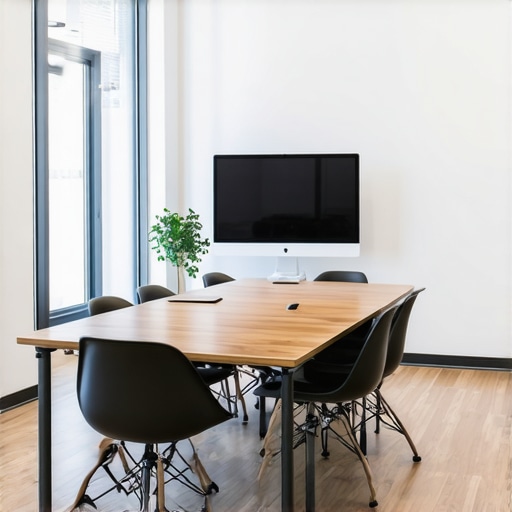 Many entrepreneurs believe that selecting a conference room or coworking space is straightforward: choose a clean, well-equipped area, and everything falls into place. However, this common assumption overlooks subtle but powerful nuances that can make or break your startup’s productivity and culture. Let’s dig deeper into these overlooked aspects, debunk myths, and reveal advanced traps to avoid in your space selection.
A prevalent myth is that high-end amenities automatically translate into better collaboration. In reality, the *layout* and *design philosophy* of a space have a far more significant impact. For instance, open-plan areas may foster spontaneous interactions, but they can also lead to noise distractions, impacting focus and confidentiality. Recognizing these trade-offs is crucial—it’s not about having the fanciest AV or kitchens but creating a balanced environment that promotes your team’s specific workflow.
Another misconception is that tech integration is solely about state-of-the-art gadgets. While impressive hardware matters, effective *accessibility and adaptability* of technology often get neglected. A space with the latest conference cameras or high-speed Wi-Fi is worthless if the infrastructure isn’t flexible enough to accommodate different team sizes or unforeseen tech needs. As noted by industry experts, a flexible tech environment enhances scalability and responsiveness, which are vital for startups facing rapid growth. For more insights into this, check out this guide on maximizing startup productivity.
Many overlook the danger of static spaces in a dynamic startup environment. The majority still rely on fixed furniture and rigid room designs, which can stifle creativity. Innovators like transformative coworking setups are proving that adaptable, modular arrangements empower teams to reconfigure their environment as needed, sparking new ideas and collaboration styles.
Furthermore, a common mistake is underestimating the importance of *privacy options*. While open layouts foster transparency, they can hamper sensitive discussions. High-performing spaces incorporate soundproof zones or semi-private areas—elements often overlooked during initial selection but crucial for strategic talks, investor pitches, or confidential brainstorming.
A particularly nuanced point often missed is the cultural aspect embedded within the space. Spaces that promote community engagement—through organized networking events or shared community boards—indirectly influence startup success. Spaces that fail to foster this sense of belonging might appear cost-effective but can impede team cohesion and innovation.
Are you aware of these subtle traps? Implementing awareness of such nuances allows you to select or design spaces that truly support your startup’s unique needs, rather than settling for surface-level features. For example, by exploring how professional environments attract investors, you can see the tangible benefits of intentional space selection.
In summary, avoid the trap of focusing solely on superficial features. Instead, prioritize flexibility, design intent, privacy, and cultural integration. These details, often underestimated, are the secret ingredients for creating a startup environment where innovation and productivity thrive. Have you ever fallen into this trap? Let me know in the comments.Maintaining an efficient and effective conference or coworking environment requires more than just initial setup—it demands ongoing attention, the right tools, and strategic methods. To ensure your spaces remain productive and inspiring, I rely on a combination of hardware, software, and best practices that address everything from technical issues to long-term scalability.
One of my go-to hardware investments is a universal HDMI switcher combined with a reliable wireless presentation system like the ClickShare. These tools minimize connection frustrations during meetings—a common pain point—and allow seamless switching between devices. For software, I recommend using a centralized room booking and management platform such as Robin or Teem. These platforms help avoid double bookings, optimize room utilization, and gather data on space usage, giving insights into long-term trends and future scaling needs.
Moreover, I implement regular maintenance routines, including scheduled technical audits. This involves testing all AV equipment, updating firmware, and checking Wi-Fi bandwidth to prevent disruptions. Utilizing network monitoring tools like Paessler PRTG or SolarWinds ensures that connectivity remains stable and can quickly alert you to issues before they impact meetings.
For team collaboration, I leverage project management tools like Notion or Trello integrated with your space’s booking system. These enable task tracking, maintenance scheduling, and resource allocation, keeping everything organized and proactive rather than reactive.
Investing in smart room sensors—such as occupancy and air quality monitors—can further enhance the environment’s health and safety over time. These sensors not only ensure compliance with health standards but also optimize HVAC systems, reducing energy costs. Many startups are now exploring IoT solutions, predicting that these smart integrations will be standard in future coworking and conference space management. According to industry leader this report, leveraging IoT is becoming essential for proactive space maintenance.
### How do I maintain my conference and coworking spaces over time?
First, schedule routine technical inspections—ideally monthly—to prevent minor glitches from escalating. Second, establish clear protocols for troubleshooting common issues, empowering staff to resolve problems swiftly. Lastly, keep abreast of emerging tools like AI-powered space management and automation platforms that can predict maintenance needs and optimize resource use, ensuring your environment evolves with your startup’s growth.
In my experience, adopting these specific tools and practices leads to fewer disruptions, happier users, and a space that scales effortlessly with your team. I highly encourage you to try integrating a smart room sensor system combined with a centralized booking platform—it’s a game-changer for long-term space management.
What I Would Have Told My Younger Self About Venue Selection
- Don’t Overlook the Power of Flexibility: Early on, I thought a shiny, high-end space would do the trick. But I learned the hard way that adaptable layouts and moveable furniture foster spontaneous collaboration and pivoting—essential in a startup world.
- Tech Needs Are More Than Just Gadgets: I used to focus solely on the latest AV equipment. Now, I prioritize scalable, wired infrastructure and seamless Wi-Fi that grow with my team, saving headaches during crucial moments.
- Design Impacts Culture More Than Decorations: Bright colors and natural light aren’t just aesthetic—they influence creativity and mood. Invest in environments that inspire open thinking and innovation.
- Community Matters Even More Than You Think: Spaces that host networking events, share success stories, and encourage casual interactions have opened doors to partnerships I never expected.
- Privacy Is a Strategic Asset: Often forgotten, soundproof private zones protect sensitive conversations and strategic planning sessions—crucial for attracting investors and safeguarding ideas.
My Top Tools for Creating a Future-Ready Startup Environment
- Robin and Teem: These management platforms streamline room bookings and usage analytics, helping me optimize space utilization effortlessly.
- Smart Room Sensors: They monitor occupancy and air quality—small investments that ensure safety and comfort during long working hours.
- Reliable Hardware Combo: HDMI switchers and wireless presentation systems like ClickShare eliminate tech frustrations and keep meetings flowing smoothly.
- IoT Integration Guides: Industry insights from reports like those found on this resource inspire me to future-proof my office with smart tech adaptations.
Seize Your Space Now—The Future Won’t Wait
Building the ideal startup environment isn’t just about choosing an attractive venue—it’s about creating a dynamic, adaptable space that fuels innovation, collaboration, and growth. Every decision today shapes your company’s tomorrow. Don’t settle for less when the perfect space can transform your startup journey. Remember, the right environment can be your secret weapon—so take action and craft a space that reflects your vision and accelerates your success. Have you faced unexpected challenges when selecting a startup space? Share your experience below and let’s learn together.