
I remember sitting in our first “real” office—a tiny glass box in a busy coworking hub—waiting for an urgent delivery. I was so convinced that “real” companies had someone at a front desk that I nearly spent $4,000 a month on a salary we simply didn’t have. I ended up sprinting down the hall, nearly face-planting over a stray laptop charger, just to sign for a box of pens. It was a mess. But that moment of panic taught me something vital: looking big isn’t the same as being big. We often rush into hiring because we want to feel established, but I’ve learned the hard way that a front desk person is often a “Phase 2” luxury you aren’t ready for yet. Today, I’m going to share how you can skip the overhead and still look like a pro, because the checklist for moving your startup into its first real office shouldn’t include a $40k-a-year gatekeeper.
Stop Buying the Illusion of Corporate Grandeur
In the early days, I made the classic mistake of hiring a part-time assistant just to answer phones, only to realize my VoIP system could have handled everything for the price of a couple of pizzas. We want that polished image, but your burn rate doesn’t care about your ego. According to data from the Bureau of Labor Statistics, the median annual wage for receptionists is over $35,000, which is a massive chunk of change for a seed-stage team. When you are ditching the basement for a professional workspace, your money needs to go toward growth, not someone sitting in a chair waiting for the mail.
Will my clients think I’m running a lemonade stand?
This is the fear that keeps founders up at night. You worry that if an investor walks in and isn’t greeted by a smiling face, they’ll pull their funding. It’s just not true. Modern investors and clients expect lean operations. In fact, if you’re in a shared environment, you can handle package deliveries without a permanent front desk staff by leveraging the tools already at your fingertips. Most of the time, your “receptionist” would just be scrolling through their phone anyway. Have you ever felt like you were hiring just to “look the part” rather than to solve a real problem? I’d love to hear your story. It’s time to focus on what actually moves the needle: your product and your people.
Build a High-End Filter Without the High-End Salary
I used to think that a human being sitting at the entrance was the only way to prove we were a legitimate business. I was wrong. In fact, a digital-first approach often feels more ‘tech-forward’ to the very people you’re trying to impress. If you’re still figuring out the move, start by learning how to get a premium business address without the five-figure lease. This allows you to claim a prestigious location while you focus your actual budget on talent.
Turn Your Phone System Into a Digital Sentry
Instead of paying a salary for someone to screen your calls, use an automated attendant. Modern VoIP systems allow you to set up a professional greeting that directs callers to the right department. It creates a ‘corporate buffer’ that makes a three-person team feel like a thirty-person organization. It’s about efficiency, not deception. By the time the call reaches your mobile or laptop, the fluff has been filtered out. This is a core part of how to transition your team from a garage to a real office without blowing your seed round on administrative overhead.
Let Technology Handle the Doorbell
Last November, we had a potential lead from a Fortune 500 company visit our flex space. I was terrified because I didn’t have a dedicated receptionist to offer them water or take their coat. Instead, I used a digital visitor management app that sent a notification to my Apple Watch the second they scanned a QR code at the entrance. I was at the door within thirty seconds, greeting them by name. They later told me they were impressed by how ‘automated and efficient’ our operation felt. They didn’t see a lack of staff; they saw a company that knew how to use its tools. This is why membership flexibility is more important than square footage—it gives you access to these shared technologies without the maintenance bill. 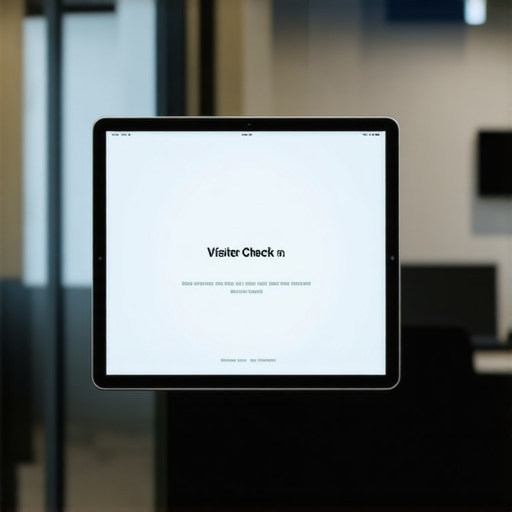
Upgrade Your Environment for High-Stakes Conversations
When it is time for a formal presentation, your ‘office’ needs to scale up instantly. You don’t need a 20-seat boardroom every day, but you do need one when an investor is in town. This is where coworking memberships shine. You can book a space that is designed for impact. When you are ready to present, you need startup success secrets for choosing the perfect conference room to ensure you aren’t fighting with a tangled HDMI cable while your audience waits. Remember, a professional appearance is often about the details you remove, like background noise. Don’t ignore the environment; use the acoustics hack for crystal clear client pitches to make sure your voice is the only thing they hear. Focusing on these high-impact moments is a much better use of your capital than paying someone to watch the front door 40 hours a week.Let’s dig deeper into the actual environment where your deals get closed. The biggest myth in the startup world is that ‘collaboration’ requires a fishbowl. We’ve all seen them: those stunning glass-walled conference rooms that look like they belong in a sci-fi movie. They are beautiful, but they are often the worst place to actually conduct business. When you’re trying to vet a meeting room for acoustic privacy before booking, you quickly realize that glass is an acoustic nightmare. It reflects sound, creating an echo that makes you sound like you’re calling from a cave during a Zoom pitch. More importantly, if you can see out, everyone can see in. I once saw a founder losing his mind because he realized the entire coworking lounge could see his ‘Confidential: Acquisition Terms’ slide projected on a 70-inch screen through the glass.
How do you vet a room when the stake is a seven-figure check?
You have to look past the aesthetics. A study published in the Journal of Environmental Psychology found that the ‘visual noise’ of open and transparent workspaces actually decreases deep focus and can lead to a 15% drop in productivity. For a startup, that 15% is the difference between hitting a milestone and missing a payroll. You don’t need a room that looks like a playground; you need to understand the difference between a standard meeting room and a real war room. A war room is built for output, not for the ‘vibe.’ 
The Invisible Technical Trap of High-End Spaces
The ‘Oops’ factor I see most often is what I call the ‘Dongle Delusion.’ Founders assume that a high-end price tag for a room rental guarantees working tech. It doesn’t. I’ve seen million-dollar pitches stall because the ‘state-of-the-art’ system didn’t have a simple USB-C adapter. This is why we tell our members that your pitch deck won’t save you from a noisy meeting space or a technical failure. Always do the acoustics test every conference room should pass before you bring in a guest. If you can hear the guy in the next room chewing his lunch, so can your investor.
Master the Politics of Shared Real Estate
Beyond the tech, there’s the social nuance. Many founders fail because they don’t know how to manage office politics in a space you don’t own. You’re sharing a building with potential competitors and partners. I’ve seen teams get ‘blacklisted’ from the best rooms because they overstayed their booking by five minutes one too many times. In a shared ecosystem, your reputation is built on how you treat the shared resources. Have you ever fallen into the trap of booking a room that looked great on the website but was a disaster in person? Let me know in the comments. If you’re moving beyond the basics, you might also want to learn the secrets to a successful networking mixer without the cringe, because eventually, you’ll need to step out of that room and actually talk to the community.
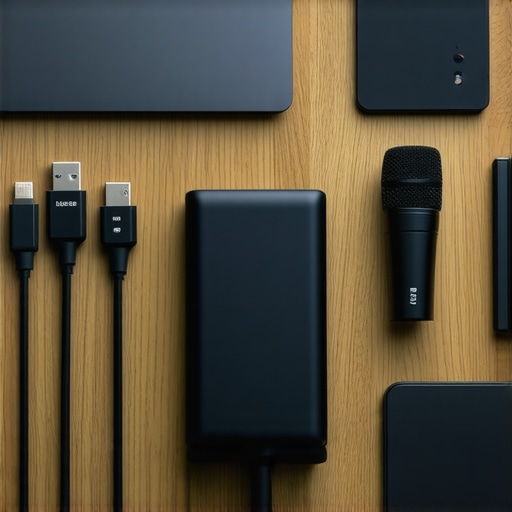
I learned early on that relying on a coworking space to have everything perfectly set up for your specific needs is a recipe for a high-stress afternoon. While most high-end hubs are great, they aren’t mind readers. That’s why I started carrying what I call my ‘Closer Kit.’ It’s a dedicated bag that never leaves my side, containing a high-spec HDMI 2.1 cable and a dedicated conferencing mic like the Jabra Speak. Why? Because I’ve seen $50,000 deals hinge on whether or not an investor could hear a founder’s voice over the hum of the HVAC. You need to know how to find a conference room that actually has working adapters, but you should also bring your own just in case.
Pack a Survival Kit for the Shared Boardroom
I personally use an Anker 737 Power Bank and a universal dongle because nothing kills the energy of a room faster than a 1% battery warning. It’s about building redundancy into your workflow. It’s the same reason why our private office suites stock extra Surface Pro chargers for members; we know that hardware failure is the silent killer of productivity. When you are in a high-stakes environment, your focus should be on the person across the table, not the blue-screen-of-death on the wall. Mastering your tools is a key part of how to maximize productivity in your startup’s conference rooms.
How do I keep my tech stack sharp as we scale?
Maintenance isn’t just about cleaning your screen; it’s about auditing your connectivity. Every quarter, I run a speed test in different zones of our office. If I notice a drop in the ‘War Room,’ I know it’s time to talk to the community manager about a mesh extender. According to a technical whitepaper by Logitech on video collaboration, even a 150ms delay in audio-video synchronization can disrupt the flow of natural conversation. That tiny lag makes you look unprepared, even if your pitch is flawless. This is why a basic warranty won’t save your startup from a hardware disaster—you need to proactively test your setup before the clock starts ticking.
The Future Means Fewer Wires and Smarter Walls
Looking ahead, I predict a massive shift toward ‘invisible tech’ in coworking environments. We are already seeing the beginning of this with furniture that has integrated wireless charging and walls that serve as giant touch-sensitive whiteboards. The trend is moving away from clunky hardware and toward seamless, software-driven experiences where your phone automatically syncs with the room’s display as soon as you walk in. Staying ahead of the future of conference rooms in startup ecosystems means investing in skills rather than just more monitors. My advice? Stop worrying about the ‘vibe’ and start obsessing over the uptime. Try this tomorrow: arrive ten minutes early to your next booking and do a full ‘hardware stress test’ with your laptop and the room’s display. If it flickers for even a second, find a different room. Your reputation is worth more than the rental fee.
Everything I Learned While Almost Losing a Seven-Figure Lead
Reflecting on those early days in the glass-box office, I realized that the hardest lesson wasn’t about finding a desk; it was about realizing that expensive administrative fluff is often a mask for insecurity. Your first ‘real’ office doesn’t need to be a tomb of mahogany and silence; it needs to be a tool for speed and precision. Here are the lightbulb moments that changed my trajectory:
- The 120-Second Rule: If it takes you more than two minutes to get your screen shared or your audio clear, you have lost the psychological high ground in a meeting. Focus on the ‘frictionless’ factor over the ‘fancy’ factor.
- Air Quality is Your Silent Partner: I once bombed a pitch because the room had zero ventilation. CO2 levels spike in small meeting rooms, making you and your investors feel sluggish. Look for spaces that prioritize airflow as much as aesthetics.
- Reputation is a Shared Resource: In a coworking environment, you aren’t just renting a desk; you are joining an ecosystem. Learning how to manage noise complaints in a shared workspace early on will save your company’s reputation among the very people who might become your next partners or hires.
The Gear That Actually Seals the Deal
I don’t leave my productivity to chance anymore. Beyond the four walls of the office, I trust a specific set of tools to ensure my business stays professional, regardless of the venue. I recommend building your own ‘Closer Kit’ based on these essentials:
- The Audio Buffer: I swear by the Jabra Speak series. Even the best acoustics can be ruined by a laptop’s tiny microphone. It turns any table into a professional conference hub instantly.
- Redundant Power: Anker’s high-capacity charging hubs are non-negotiable. I trust them because they’ve saved me during day-long workshops when the ‘perfect’ room’s outlets were out of reach.
- The Reality Check: Before you sign any long-term commitment, read up on the truth about membership perks. Most startups waste thousands on ‘free’ amenities they never use. Focus on the high-speed data and the room credits.
Your Vision Deserves a Stage That Actually Works
Moving out of the garage is a rite of passage, but don’t let the desire for a corporate image distract you from the lean, agile spirit that got you here. Professionalism isn’t about how many people you have sitting at a front desk; it’s about the quality of the interactions you have once the door is closed. By using the exact checklist for vetting a high-stakes board room and understanding why flex space is the ultimate hedge against market volatility, you are positioning your startup to survive the lean years and thrive in the growth years. Don’t be afraid to keep things simple. A high-functioning, automated space allows you to keep your eyes on the product while the technology handles the small stuff. If you are still refining your strategy, remember that how to choose the perfect conference room for business success is a skill you will use for the rest of your career. What is the one ‘tech fail’ or office mishap that nearly ruined a big moment for you? I’d love to hear your survival stories in the comments below.