
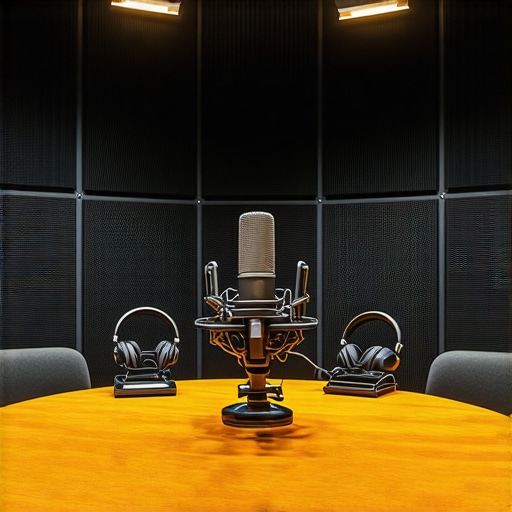
It was late afternoon, and I was sitting in a conference room filled with echoing voices, trying to record a podcast interview. The mic kept picking up every squeak of the chair and the distant hum of the HVAC system. Frustration crept in as I realized the space I relied on for meetings was ruining the quality of my recordings. That lightbulb moment hit me: this room wasn’t just a place for meetings; it could become a powerful tool for my brand and outreach. Have you ever faced a similar struggle, where your workspace felt more like a hindrance than an asset? If so, you’re not alone.
Why Turning a Meeting Room into a Podcast Studio Matters Now More Than Ever
In today’s fast-paced digital landscape, content creation is king. Podcasts, in particular, have exploded in popularity, offering a direct line to your audience. But producing quality audio isn’t just about setting up a mic; the environment matters. Many startups and coworking spaces underestimate the potential of their existing meeting rooms, leaving valuable space underutilized. Imagine repurposing that same room for creating engaging content, hosting interviews, or even recording team updates—all without the need for a dedicated recording studio.
The beauty of this transformation is practicality. A well-designed podcast studio within your workspace minimizes costs and maximizes utility. Plus, it positions your brand as modern, innovative, and ready to adapt. But before you jump in headfirst, it’s important to understand common pitfalls—like falling into the trap I did early on.
One mistake I made was neglecting acoustics. I assumed placing a mic in a large, glass-filled room was enough. Spoiler alert: it wasn’t. According to research by NPR, poor acoustics can drastically reduce sound quality, making listeners tune out—no matter how riveting your content is. For startups, this kind of mistake could mean the difference between growth and obscurity.
Now, let’s get into how you can avoid those pitfalls and create a podcast studio that elevates your brand, all within your existing meeting space. Ready to turn those echo chambers into content hubs? Let’s explore the practical steps to make it happen.First, assess your space’s acoustics by sitting in your meeting room during typical recordings; if it echoes or sounds hollow, you’ll need to add soundproofing materials like foam panels or absorbent curtains to dampen unwanted noise. Next, invest in quality microphones and headphones; USB condenser mics are affordable and effective for startups. Mount the microphone on a adjustable arm to avoid desk noise and position it close to your speaking area. For the best audio clarity, avoid reflective surfaces; hang acoustic panels on glass walls or large flat surfaces that can cause sound bounce. Set up a dedicated corner or table as your recording zone, marking it with a simple backdrop to maintain visual consistency during recordings—this enhances your brand presence. Incorporate a mixer or an audio interface if you plan to record multiple voices or interviews simultaneously; these devices are compact and straightforward to operate. To manage recordings, use free editing software like Audacity or paid options such as Adobe Audition, which allow you to clean audio, add intro/outro music, or eliminate background noise—making your content sound professional.
During my own setup, I found that repurposing foam panels from previous office refurbishments was budget-friendly and surprisingly effective. I mounted a simple microphone boom arm on a spare desk and ran audio directly into my laptop. The result was a noticeable improvement in sound quality, enabling me to produce weekly interviews that gained engagement and credibility. Remember, even small adjustments like choosing the right placement or adding a few cushions to reduce reverberation can make significant differences.
Finally, optimize your recording environment by controlling external noise—turn off unnecessary equipment, close windows, inform colleagues about recording times, and consider using a ‘do not disturb’ sign. For more ideas on maximizing your workspace, visit https://coworkingcentral.com/how-to-maximize-productivity-in-your-startups-conference-rooms-by-0245-pm. When your setup is ready, start experimenting with different types of content and establish a consistent posting schedule that resonates with your audience. Don’t underestimate the power of a well-designed space combined with quality audio; it transforms your message from amateur to authoritative, opening doors to new partnerships and growth opportunities.Many assume that simply having a designated meeting space guarantees productivity and professionalism, but this is a misconception that can hinder your startup’s growth. The real challenge lies in understanding the subtle dynamics that influence how these spaces are used—and often misused. For instance, a common myth is that larger meeting rooms always equate to greater collaboration, yet overestimating their capacity can lead to inefficiencies and a sense of intimidation among team members. Advanced startups recognize that intimacy fosters creativity, making smaller, flexible breakout spaces more effective for brainstorming sessions.
A crucial mistake many overlook is the assumption that meeting rooms are one-size-fits-all solutions. Different activities demand distinct environments; a video conference, for example, requires optimal acoustics and lighting, while strategy sessions benefit from flexible layouts that can adapt to evolving needs. Failing to tailor the space leads to underutilization or frustration. According to a study by Harvard Business Review, mismatched environments can decrease team engagement by up to 25%, underscoring the importance of intentional design. For startups aiming for agility, understanding these nuances is essential.
Making the mistake of neglecting the psychological impact of your meeting environment can also backfire. An overly sterile or cluttered space can stifle innovation. Consider integrating elements like natural light or comfortable seating to boost morale and productivity. Exploring the future of conference rooms reveals a shift towards more immersive, tech-enabled spaces that promote collaboration and creativity. Visit https://coworkingcentral.com/the-future-of-conference-rooms-in-startup-ecosystems to see how cutting-edge environments are shaping the next generation of workspaces.
What many don’t realize is that the strategic use of coworking spaces can amplify networking opportunities and foster community beyond just individual meetings. For example, designing shared zones that encourage spontaneous interactions can lead to unexpected partnerships. Learn more at https://coworkingcentral.com/unlock-networking-opportunities-in-top-coworking-environments.
How can startups leverage meeting room design to foster innovation and attract top talent?
By integrating adaptable furniture, high-quality tech, and inspiring decor, startups create environments that reflect their culture and ambitions. This intentional approach not only improves daily operations but also signals to potential hires that your company values creativity and growth. Furthermore, engaging with innovative meeting room providers can ensure your space remains future-ready, benefiting from the latest ergonomic and technological advancements. To explore solutions tailored for your needs, visit https://coworkingcentral.com/how-to-choose-the-perfect-conference-room-for-business-success.
Remember, optimizing meeting spaces isn’t just about adding tech gadgets or choosing stylish furniture. It’s about understanding the nuanced psychology, activity-specific needs, and future trends that influence how effectively your team collaborates. By shifting your perspective from superficial fixes to strategic design, you can unlock hidden potentials within your existing spaces. Have you ever fallen into this trap? Let me know in the comments.Maintaining an efficient and functional meeting space requires more than just initial setup; it demands ongoing attention, the right tools, and strategic practices. I personally rely on a combination of hardware and software to ensure my conference rooms stay optimized and productive. One key investment is a high-quality audio system—I’ve found the Shure MV7 microphone indispensable because of its durability and excellent sound quality, which minimizes echo and background noise—crucial in spaces with less-than-ideal acoustics. Pairing it with Adobe Audition for editing allows me to clean up recordings swiftly, maintaining professional standards without a dedicated studio. For hardware management, I use tech stack tips to troubleshoot issues rapidly and keep hardware in check, preventing disruptions. To track usage and booking patterns, I employ tools like Skedda, which provides insights that help me schedule maintenance or upgrades proactively, rather than reactively. This data-driven approach has extended the lifespan of my equipment and optimized space utilization.
Predicting future trends, I see the integration of IoT sensors becoming essential for monitoring environmental factors—temperature, humidity, and even occupancy—to adapt maintenance routines automatically. These sensors, as outlined in recent trend reports, will make spaces smarter and maintenance more predictive, reducing downtime.
So, how do I ensure the longevity of my meeting rooms without constantly firefighting tech issues? Regular preventive maintenance is critical. Schedule quarterly checks for AV equipment, update firmware and software, and recalibrate acoustics if necessary. Keep a digital log of repairs and upgrades—this helps identify recurring problems early. Additionally, fostering a culture of feedback among users allows you to catch issues before they escalate. Encourage team members to report equipment glitches or space discomforts via simple surveys or direct channels.
Applying these practices has dramatically improved my space’s reliability and user satisfaction. But don’t just take my word for it—try integrating IoT monitoring sensors in your conference rooms to stay ahead of maintenance needs. This proactive approach will not only save money in the long run but also keep your spaces inviting and professional. For tailored advice, don’t hesitate to reach out through our contact page. Remember, maintaining your meeting rooms is an ongoing mission—invest in the right tools, stay vigilant, and your spaces will continue to serve your startup’s growth effectively.
What I Wish I Had Known When I Started Transforming Meeting Spaces
One of the biggest revelations I’ve had is that turning a standard meeting room into a creative powerhouse isn’t just about adding fancy tech or stylish furniture; it’s about understanding the subtle psychology behind space utilization. I once believed that bigger rooms meant better collaboration, only to realize smaller, thoughtfully designed areas fostered more genuine interactions. This lightbulb moment reshaped how I approached space planning, emphasizing quality over quantity and intentional design over surface aesthetics.
Another lesson was the importance of embracing flexibility. Rigid setups stifle spontaneous ideas, which are often the lifeblood of startups. By incorporating movable furniture and adaptable acoustics, I created environments where teams could quickly pivot between brainstorming, deep work, or casual discussions without feeling constrained. That flexibility boosted creativity and made the space feel alive.
Lastly, underestimating acoustics was a costly mistake. I thought placing a microphone in a room was enough—turns out, soundproofing and acoustic treatment are game-changers. Investing in affordable solutions like foam panels and strategic furniture placement dramatically improved audio quality, making my recordings professional and engaging, and proving how tiny tweaks can have outsized impacts.
Tools and Resources That Keep Me Ahead of the Curve
When it comes to creating and maintaining effective meeting spaces, I rely on tools that blend innovation with reliability. For instance, the essential tech stack helps me troubleshoot and optimize hardware performance, ensuring smooth daily operations. For booking and usage analytics, space management tools provide valuable insights into utilization patterns, guiding future upgrades.
Books like Designing for Innovation have reshaped my understanding of spatial psychology, emphasizing that well-designed environments influence mindset and behavior. Plus, engaging with coworking trend reports keeps me aware of what’s next, enabling proactive space evolution.
Stay Inspired and Keep Pushing Boundaries
Transforming your meeting spaces into centers of innovation and collaboration isn’t a one-time effort; it’s an ongoing journey. As new technologies and workspace philosophies emerge, staying adaptable and receptive to change will be your greatest assets. Embrace the challenge, and don’t be afraid to experiment with different layouts, acoustics, or tech solutions—those small shifts can ignite big ideas. Ready to reimagine your startup’s meeting environment and unlock its full potential? It all starts with taking that first step towards intentional, inspired space design.