
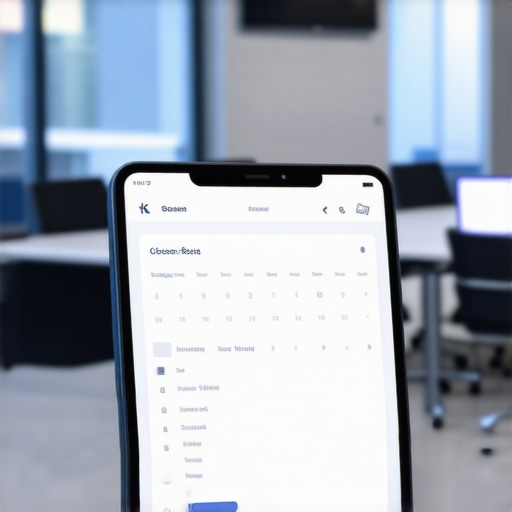
It was a typical Monday morning when I looked at my calendar and realized—once again—I had double-booked the conference room. The nerve of people, claiming the same slot I needed for an important client presentation! That frustrating moment spun into a lightbulb moment. I had been relying on manual methods and scattered spreadsheets for managing room bookings, and it was clear—my system was broken. That day, I decided enough was enough.
The Struggle of Managing Rooms Without the Right Tools
Managing room bookings can be deceptively tricky. Juggling schedules, avoiding overlaps, and keeping everyone informed — it’s enough to make any startup founder want to throw their hands up. I’ve been there, fumbling with emails, sticky notes, and even lost reservations, leading to wasted time and avoidable conflicts. The worst part? It drained my energy and distracted me from focusing on what truly mattered: growing my business. I knew there had to be a better way.
Luckily, I discovered that choosing the right booking software can turn chaos into clarity. The first step is recognizing the common pitfalls—like relying solely on email requests or unintegrated calendars—that inevitably lead to double bookings or overlooked reservations. For instance, I used a basic calendar app that didn’t sync across devices or integrate with my team’s tools. That mistake caused scheduling mishaps, eroding trust and efficiency.
Is Room Booking Software Overhyped?
At first, I wondered if investing in a dedicated platform was really worth it. Wouldn’t a simple shared calendar suffice? Spoiler alert: it doesn’t. As I dug deeper, I learned that the right tools do more than just block time—they facilitate communication, optimize space utilization, and provide analytics for better planning. According to a recent study, firms that implement effective room management solutions see an improvement in operational efficiency by up to 30%. That’s a game-changer.
Reflecting on my early mistakes, I realize I overlooked the importance of integrating my booking system with other collaboration tools. If you’re still manually managing your rooms or juggling multiple apps, I encourage you to reconsider. Are you confident your current process prevents double bookings? If not, read on—next, I’ll guide you through choosing the perfect system for your needs, so you can reclaim your time and boost your team’s productivity.
Choose the Right Software with Purpose
Start by identifying your startup’s specific needs. Do you require real-time updates, integration with other tools, or analytics? For example, when I first switched from a shared calendar, I wasted hours coordinating with my team, leading to overlapping bookings. I selected a platform like how to choose the perfect conference room for business success, which offered seamless integration with my email and mobile devices, preventing double-booking.
Map Out Your Booking Workflow
Visualize how your team interacts with the booking process. Set clear roles—who can approve, cancel, or modify reservations. I created a simple checklist: request, approval, confirmation, and usage. During a hectic week, this clarity helped my team avoid chaos, as we all knew exactly who to contact and when. Implementing automated notifications minimized last-minute changes that previously caused conflicts.
Leverage Calendar Integrations
Integrate your booking software with your primary calendar system—be it Google Calendar, Outlook, or Slack—to create a unified view. This reduces the chances of overlap and keeps everyone on the same page. I learned this the hard way when I manually checked multiple apps, missing reservations. After integrating, I could see all bookings in one place, drastically reducing scheduling errors.
Set Up Clear Reservation Policies
Define rules to streamline booking behaviors—like minimum notice periods or maximum durations. For instance, I mandated at least a 2-hour notice for reservations, which gave my team enough time to prepare and avoid last-minute overlaps. Communicate these policies via email or embedded in your booking platform to ensure consistent adherence.
Use Visual Cues for Availability
Implement color-coded indicators or status lights within your booking system—green for available, yellow for pending, red for booked—so users can instantly assess availability. In my setup, this quick visual check prevented accidental double bookings. Remember, the goal is to make booking as intuitive as possible, reducing cognitive load and errors.
Monitor and Adjust Regularly
Track booking patterns and conflicts over time. Did a particular room frequently get double-booked during peak hours? Use this data to adjust policies or expand capacity. During one quarter, I noticed that my team’s preference shifted towards a different conference room, so I reallocated resources accordingly. Staying flexible allows your booking system to evolve with your startup’s growth.
Many entrepreneurs assume that simply renting a meeting room or onboarding a coworking space automatically guarantees seamless collaboration. However, there’s a nuanced trap that often escapes notice: overestimating the impact of space alone while neglecting the underlying social dynamics and technological setups that truly drive productivity.
Are Standard Meeting Rooms Hindering Your Startup’s Growth?
Contrary to common belief, not all meeting spaces foster creative problem-solving or effective decision-making. In fact, some configurations—like poorly soundproofed rooms or spaces lacking privacy—can stifle open communication and lead to misunderstandings. According to experts from the future of conference rooms in startup ecosystems, the design and technological integration of a space significantly influence its effectiveness. One myth I encountered is that more space automatically translates to better collaboration. Reality check: overcrowded rooms increase distractions, while cramped setups hinder movement and focus. Advanced startups now prioritize flexible layouts and smart tech, such as adjustable lighting and acoustic treatments, to optimize engagement. Be cautious of falling into the ‘bigger-is-better’ illusion. Instead, assess the *quality* of your space in facilitating focused discussions and spontaneous interactions.
How Can You Avoid the Pitfall of Misaligned Expectations?
The secret lies in aligning your team’s needs with space features. For example, I once upgraded to a coworking hub that offered dedicated quiet zones, open collaboration areas, and private booths—each serving distinct purposes. This approach heightened productivity and minimized disruptions. To unlock such benefits, explore spaces that offer innovative meeting technologies and community resources, like networking opportunities and mentorship programs. In top coworking environments, these elements are designed to accelerate startup growth. Remember, the right space should enhance your team’s dynamics, not just serve as a backdrop. Be wary of spaces that look appealing but lack essential technological support or community engagement—which can be a silent productivity killer.
What Most People Get Wrong About Meeting Room Myths
One critical misconception is that the physical environment alone makes or breaks your meetings. In reality, it’s the *culture* and *processes* you embed that determine success. For instance, adopting a meeting protocol that encourages standing or short, results-oriented sessions can dramatically boost efficiency—even in modest spaces. Critical details like room acoustics, tech compatibility, and seating arrangements are often overlooked but have outsized impacts. A recent study published in “Harvard Business Review” emphasizes that well-designed spaces combined with intentional meeting practices create a multiplier effect on productivity. So, don’t just select a space based on aesthetics; scrutinize its capacity to support your workflow and culture.
Trap alert: Relying solely on high-end furnishings or the latest tech without fostering a results-driven environment is a common mistake. Instead, focus on cultivating a space that aligns with your startup’s values and operational style. Want to optimize your meeting spaces further? Check out these innovative meeting rooms that are transforming startup collaboration. Have you ever fallen into this trap? Let me know in the comments.Maintaining an efficient and reliable setup for your startup’s meeting rooms and coworking spaces is crucial for long-term success. From hardware to software, I rely on specific tools that ensure everything runs smoothly, minimizing downtime and enhancing collaboration. My top recommendation is investing in a high-quality digital signage system, like *Screensaver Pro*, which displays real-time availability and booking status. This simple addition reduces confusion and double bookings, especially when integrating with your calendar platforms. For audiovisual needs, I swear by *Logitech MeetUp* because of its exceptional video quality and plug-and-play setup, saving me precious time during tech troubleshooting. Pair it with *Zoom Rooms* for seamless virtual meetings, particularly since its hardware integration simplifies scheduling and connectivity issues. Additionally, I use *Robin*—a comprehensive space management software that provides insights into room utilization, helping me optimize space allocation and plan future expansions. Regularly reviewing these analytics allows me to spot underused areas and adapt accordingly, saving costs and enhancing productivity.
How do I maintain these tools over time?
Maintenance is often overlooked, but it’s vital for ensuring longevity. I schedule quarterly reviews of all hardware, updating firmware and replacing aging devices before they break down. For software, I make sure to keep all licenses current and set up automated backups for configurations. Keeping an eye on updates from providers ensures I access new features and security patches. I also foster a culture of feedback where team members report issues promptly, allowing me to address problems before they escalate. Prediction suggests that integrated IoT systems will become standard for coworking spaces, automating everything from booking to environmental controls, which will drastically reduce manual upkeep. To stay ahead, I plan to pilot these smart integrations, which promise continuous, hands-off management of your work environment. For example, exploring solutions like the upcoming *SmartSpace* platform could revolutionize how we handle space maintenance, making it effortless to keep everything functional and up-to-date. Before that, I highly recommend trying out automated firmware update schedules and routine analytics reviews—they’re simple yet powerful steps toward a truly self-sustaining workspace. Want to make your conference rooms smarter and more reliable? Check out this guide on smart tech integration for actionable insights.
Over the years, I’ve realized that the most valuable insights often come from our missteps—and the way we adapt afterward. Here are some personal revelations about managing startup meeting rooms and coworking spaces that might save you time, money, and stress.
- Never Underestimate small workflow tweaks: Simple adjustments like clear booking policies or color-coded availability indicators can transform chaos into clarity almost overnight. These subtle changes often have the biggest impact.
- Technology is a game-changer—but only if integrated properly: Using tools like the right conference room software and seamless calendar integrations can drastically reduce double bookings and miscommunications. But remember, tech alone isn’t enough—training your team to maximize these tools is equally vital.
- Design matters more than you think: Spaces that foster privacy, good acoustics, and adjustable lighting lead to more productive meetings. It’s tempting to prioritize aesthetics but focusing on functional design will support your team’s creative flow.
- Monitor and adapt routinely: Regularly reviewing booking patterns and gathering team feedback has helped me reallocate resources and optimize room usage. Stay flexible; your needs will evolve, and your space should evolve with them.
- Think beyond the physical space: Cultivating a strong meeting culture—set expectations, encourage transparency, and foster community—makes any conference room more effective. Remember, the best tools in the world won’t compensate for poor team dynamics.
My Essential Toolkit for Smarter Meeting Spaces
Personally, I rely on tools like dedicated booking platforms that integrate directly with my calendar, ensuring real-time updates and hassle-free reservations. For AV tech, high-quality hardware like Logitech MeetUp has saved me hours troubleshooting. And space analytics tools such as Robin give me insights into utilization trends, guiding future investments.
Seize the Moment and Redefine Productivity
The future of startup collaboration lies in intentionally designed, seamlessly managed meeting spaces. If you’ve ever felt overwhelmed by scheduling conflicts or underwhelmed by your current environment, remember: small strategic changes can unlock enormous potential. Your spaces should empower your team to innovate, connect, and grow—so take that first step today.
What’s been your biggest challenge with managing your conference rooms or coworking spaces? Share your story below — let’s learn from each other’s experiences!
,