
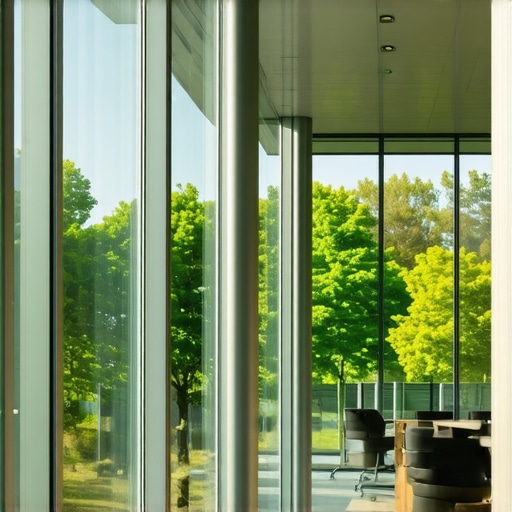
You know that sinking feeling when you walk into a conference room for an important meeting, only to be greeted by stark fluorescent lighting and gloomy walls? I can’t tell you how many times I’ve felt my enthusiasm zap the moment I stepped into a space that felt more like a bunker than a place for collaboration. That realization hit me hard early on: a room’s atmosphere has a direct impact on ideas, energy, and even decision-making.
Why Finding Meeting Rooms with Natural Light Changes the Game
After countless frustrating days hopping from one dull, windowless room to another, I finally understood something crucial: natural light isn’t just a luxury—it’s a productivity booster. Studies show that exposure to daylight can improve mood, increase focus, and even enhance creativity. According to a report from the World Green Building Council, workers in daylight-rich environments are 15% more productive than those in artificially lit spaces. If you’re like me, and you’ve ever experienced that foggy brain during a lengthy video call in a dark room, this fact might just be your new secret weapon.
Early in my journey, I made a costly mistake: I disregarded the importance of natural lighting when booking spaces. I overlooked the cardinal rule that a room should feel inviting and energizing, not draining and claustrophobic. That mistake led me to crowded, windowless conference rooms where focus was fleeting, and small talk replaced meaningful discussion. But over time, I discovered simple strategies—like checking for rooms with ample windows, good air circulation, and access to outdoor views—that transformed how my team met and brainstormed.
Will Natural Light Really Make That Much Difference?
Some skeptics argue that lighting is secondary to content, technology, or seating arrangements. I get it; it sounds like a detail that shouldn’t matter much. But the truth is, neglecting this aspect can seriously undermine your efforts. In fact, incorporating more natural light has been associated with reduced stress and improved overall well-being, leading to better meeting outcomes. Curious? Check out how creative coworking spaces are harnessing this principle to enhance collaboration in co-working environments.
Have you ever struggled to find meeting rooms that feel inspiring and energizing rather than oppressive? If so, you’re not alone. The good news is that with a few adjustments and informed choices, you can turn any space into a beacon of productivity. Up next, I’ll share my step-by-step approach to hunting down those perfect rooms, so your meetings become more than just a necessity—they become a catalyst for your team’s success.
Identify Your Space Needs and Priorities
Start by listing what your team needs: size, equipment, privacy, and access. I once rushed into booking a room without considering capacity, which led to cramped meetings. Clarify whether you need a dedicated conference room or a flexible coworking nook. Knowing these priorities helps filter options efficiently.
Scout Locations Strategically
Map out nearby coworking spaces or office buildings with good natural lighting. Use online platforms like coworking space directories to compare. I once printed a neighborhood map marking daylight levels and found a hidden gem with excellent sunlight—a game changer for my team’s energy.
Check for Window Orientation and Glare
North-facing windows provide consistent light without intense sun. I recommend visiting potential spaces at different times of day. During my first tour, I noticed glare during midday meetings, making screens hard to see. We adapted by repositioning the table closer to the windows and adding blinds, transforming the space into an inspiring environment.
Assess Room Layout and Design
Look for rooms with high ceilings and open layouts that maximize sunlight diffusion. Avoid cubicles or partitioned designs that block light. I once booked a ‘bright’ room only to realize thick curtains and low ceilings subdued the atmosphere. After redesigning with light fabrics and strategic furniture, it felt like stepping into an energizing studio.
Utilize Technology to Optimize Light and Comfort
Install smart blinds or light sensors to control brightness. During remote assessments, I found rooms with automated window treatments allowed us to customize lighting on the fly, boosting focus and mood. Sharing these setups with your facilities team can automate comfort effortlessly.
Build Relationships with Space Providers
Establish contacts with local coworking owners or building managers. When I reached out to a coworking hub, they offered a trial period in a beautifully lit room, which convinced my team. Negotiating regular access or discounts helps secure quality spaces without overextending your budget.
Make the Most of Natural Light Once You Find It
Arrange seating to face windows for eye-opening perspectives. Incorporate light-colored walls and reflective surfaces to bounce daylight. I added mirrors opposite windows, which instantly transformed the room, making it feel larger and brighter. Small adjustments like this can redefine your meeting experience.
Remember, the journey to finding a room that energizes your team hinges on strategic scouting, clear priorities, and creative tweaks. By implementing these steps, your meetings will transcend routine, sparking innovation and collaboration in an environment that fuels your startup’s growth.
When it comes to choosing the perfect meeting room or coworking environment for your startup, many entrepreneurs buy into misconceptions that can hinder productivity and growth. One widespread myth is that a fancy, high-tech conference room automatically guarantees better meetings. The reality is, sophisticated gadgets won’t compensate for poor acoustics, inadequate lighting, or uncomfortable seating. For example, a study published by Harvard Business Review emphasizes that environmental comfort significantly impacts employee focus and decision-making.
Another common trap is overestimating the importance of location without considering layout and usability. Entrepreneurs often flock to spaces with prestigious addresses but neglect to assess whether the room’s design promotes collaboration or fosters creativity. Instead, focusing on practical aspects—like adaptable furniture arrangements and natural light availability—can boost engagement more effectively.
A nuanced mistake many overlook involves the assumption that natural light is enough to create an energizing environment. While sunlight plays a crucial role, shadows, glare, and window orientation are equally important aspects that influence ambiance. For instance, facing windows can cause glare on screens, reducing productivity. Proper window treatments or strategic furniture placement can mitigate these issues. Experts, such as lighting designer Emily Rozment, suggest that combining natural and artificial lighting thoughtfully enhances focus and reduces fatigue.
Have you ever fallen into this trap? Let me know in the comments.
Are Glass Walls and Open Layouts Actually Helpful for Startup Meetings?
Open floor plans and glass partitions are trendy, but do they foster genuine collaboration? Not necessarily. While transparency can promote trust, excessive openness may lead to distractions and noise, diminishing the quality of discussions. In fact, research from the University of Sydney indicates that privacy—either visual or acoustic—substantially improves creative flow and problem-solving capacity. For startups aiming to scale efficiently, investing in versatile spaces that balance openness with private areas can make a significant difference.
The key is designing environments that cater to different meeting styles—some sessions benefit from the freedom of open spaces, while others require confidentiality. This approach aligns with what innovative coworking environments are adopting, turning traditional office layouts into dynamic hubs of productivity and innovation. To learn more about such spaces, explore how top coworking spaces are transforming their environments.
Ultimately, understanding these nuanced aspects can prevent costly mistakes and help your startup build a smart, inspiring workspace. Have you reviewed your meeting spaces lately? Recognize any myths that might be holding you back, and take action to optimize your environment for success.
Tools That Keep Your Meeting Environment Running Smoothly
Maintaining an optimal meeting space requires more than just good furniture; it hinges on reliable technology and effective management practices. As someone who’s managed several startup conference rooms, I’ve found specific tools indispensable for ensuring long-term functionality. One such tool is Robin, a room scheduling system I personally use because it seamlessly integrates with my calendar, reducing double bookings and overcommitments. Its real-time availability feature means my team can instantly see which rooms are free, avoiding frustrating last-minute searches.
Another must-have is Zoom Rooms, which I leverage for high-quality video conferencing. It reduces technical hiccups during remote or hybrid meetings, which are now the norm in startup environments. pairing Zoom Rooms with a dedicated tech stack that includes high-resolution cameras, clear microphones, and reliable internet ensures your meetings aren’t bogged down by tech issues.
To keep a pulse on ongoing room usage and issues, I rely on SwipedOn, a visitor and staff management tool that tracks room occupancy and provides analytics. This data helps identify underused spaces and tells me whether physical infrastructure needs upgrades or reconfigurations. It’s astonishing how data-driven adjustments can dramatically improve space efficiency over time.
How do I maintain meeting room tools over time?
Regular maintenance starts with scheduled software updates to patch security vulnerabilities and add features. In my experience, setting bi-weekly check-ins with the facilities or IT team ensures hardware, like projectors and microphones, stay in top shape. Additionally, fostering open communication channels—like a dedicated Slack or Teams channel—encourages team members to report issues early, preventing small problems from becoming disruptive. The key is consistent review and adaptation; as your team grows or as technology evolves, so should your management practices.
Looking ahead, the trend points toward smarter, AI-integrated space management systems that predict usage patterns and automate reservations. Companies like innovative coworking spaces are already experimenting with AI dashboards that analyze space utilization in real-time, optimizing layout and booking processes accordingly. Trying out one of these advanced tools now can set your startup up for scalable, frictionless growth in the future.
Start by implementing a trusted room scheduling platform like Robin and commit to regular hardware checks. These small but strategic steps will ensure your meeting spaces serve your team’s needs, rather than hinder them.
What I Wish I Knew About Meeting Rooms at the Start
One of the most powerful lessons I learned is that environment truly influences outcomes. It’s tempting to focus solely on technology, but I realized that natural light, room layout, and ambiance are often overlooked yet game-changing elements. Early on, I underestimated how much a well-lit, thoughtfully designed space can spark innovation and focus. Recognizing this shifted my entire approach—it’s not the fancy equipment but the environment that fosters breakthrough ideas.
Next, I discovered the myth that bigger is always better. I used to believe that larger rooms meant better meetings. However, intimate, cozy spaces with good lighting and acoustics often encourage more engaged conversations. Venturing into smaller but well-lit and comfortable rooms led my team to more productive sessions, emphasizing quality over size.
Finally, I learned to listen to my team’s needs. Regularly seeking feedback about the comfort and functionality of our meeting spaces revealed small tweaks—like adjustable blinds or better airflow—that dramatically increased our productivity. This taught me that behind every successful meeting environment lies a willingness to adapt and prioritize the human experience over static design ideas.