

It was a typical Monday morning, and I was seated in our company’s sleek conference room — all glass walls, no curtains, just a transparent boundary between me and the bustling open office. I leaned back, trying to focus on a presentation, but the constant movement outside the glass kept pulling my attention away. Suddenly, I realized: these transparent walls were not just dividing space; they were eroding our team’s ability to concentrate. Have you ever experienced this? Maybe your team feels distracted, or meetings seem less effective despite an open layout.
The Hidden Cost of Transparent Walls on Team Focus
Does Transparency Come at a Price?
Back in the early days of designing our workspace, I bought into the hype of open-plan and glass partitions as symbols of transparency and collaboration. But I overlooked one crucial aspect: visibility often translates to distraction. According to a study published by the Harvard Business Review, open-plan offices can reduce productivity by up to 15% due to constant interruptions and noise. I made the mistake of assuming physical openness would foster focus, but it had the opposite effect. Once I realized this, I started exploring how to create a balance between openness and privacy for my team.
So, what exactly is the problem with glass walls? They might look modern and promote transparency, but they often eliminate the quiet zones necessary for deep work. When everyone can see when you’re busy or free, it creates a subtle pressure to stay always available, which hampers focus. This is especially critical for startups and creative teams that depend on contemplative time for innovation. If this sounds familiar, don’t worry — there are practical ways to fix it, and we’ll cover those soon.
Have you faced similar challenges with your workspace? If so, you’re not alone. Many founders and managers underestimate how much environment impacts productivity. It’s a mistake I made early on, assuming that visibility was always beneficial. The good news? Small adjustments in layout or meeting room design can lead to significant improvements.
Prioritize Soundproofing to Boost Focus
Start by installing acoustic panels or soundproof curtains in your meeting spaces. I once reused old blankets over windows in a makeshift conference area, which surprisingly cut down noise significantly. This prevents distractions from neighboring conversations, allowing your team to dive deep into strategy sessions without interruption.
Choose Flexible Seating for Dynamic Collaboration
Use modular furniture that can be easily reconfigured for different meeting types. During a recent workshop, we moved from a traditional conference style to a U-shape for brainstorming, which sparked more creative ideas. Having adaptable furniture like stackable chairs and movable tables gives your space energy and versatility.
Optimize Lighting for Energy and Clarity
Natural light is ideal, but if unavailable, install adjustable LED lighting that mimics daylight. I replaced harsh fluorescent bulbs with dimmable LEDs in our startup’s conference area, which improved alertness during late meetings. Proper lighting reduces fatigue and keeps participants engaged.
Incorporate Essential Tech for Seamless Meetings
Equip your room with a high-quality whiteboard, a reliable projector or large screens, and excellent audio systems. In my last setup, I connected wireless microphones, which allowed speakers to move freely without losing audio clarity. This setup made remote participants feel more connected and contributed to productive discussions.
Design Privacy Without Sacrificing Openness
Use frosted glass or sliding partitions to create privacy zones that can be opened when collaboration is needed. I experimented with partial dividers, which I could slide open or closed depending on the meeting’s intimacy. This balance prevents the feeling of being trapped while maintaining confidentiality when necessary.
Implement Booking Systems to Prevent Conflicts
Utilize smart scheduling software like Calendly or specialized room management tools. I tested a digital booking system that sent reminders and prevented double-booking, saving us from awkward conflicts. Consistent booking protocols maximize room efficiency and reduce downtime.
Create a Inspiring Atmosphere to Fuel Creativity
Add artwork or motivational quotes that resonate with your startup culture. During my experiment, decorating walls with quotes from successful founders fostered a sense of purpose. An inspiring environment can subtly influence mindset and energize your team during critical meetings.
Many founders believe that simply having a state-of-the-art conference room will automatically boost their startup’s productivity and professionalism. However, this is a misconception rooted in superficial thinking. The real nuance lies in understanding how space design influences team dynamics, decision-making, and innovation. For instance, some teams fall into the trap of overusing large, formal meeting rooms for every discussion, neglecting the power of informal spaces that foster spontaneous collaboration. According to a study by Harvard Business School, serendipitous interactions in casual settings often lead to the most innovative ideas, yet many startups underestimate the importance of flexible, creative environments.
Another common myth is that bigger and more private offices or rooms are always better for sensitive discussions. In reality, excessive privacy can lead to siloed teams and communication breakdowns. Instead, smart startups create semi-private zones that balance confidentiality with openness, enhancing cross-team dialogue. Be cautious of the ‘More is Better’ mentality—believing that larger spaces or more amenities will directly translate into better outcomes. This often leads to inflated costs without tangible returns, especially if the space doesn’t align with team workflows. For advice on choosing the right setup, learn from our [guide on selecting the perfect conference room](https://coworkingcentral.com/how-to-choose-the-perfect-conference-room-for-business-success).
Are open-concept coworking spaces truly optimal for high-performance teams?
This is where many organizations stumble. While open plans promote transparency, they can also increase noise and distractions, harming focus. A report by Steelcase highlights that concentrated work benefits from quieter zones, which many coworking spaces lack. The misconception is that openness equals collaboration, but the reality is that a balanced mix of open and private areas fosters both teamwork and deep work. Failing to design for this balance is a sneaky mistake that hampers startup growth.
Additionally, many startups overlook the importance of integrating technology seamlessly into their meeting spaces. Outdated equipment or poor acoustics turn these areas into sources of frustration rather than assets. For instance, a well-placed [professional tech setup](https://coworkingcentral.com/the-equipment-every-professional-conference-room-needs) can make all the difference in closing deals or impressing investors.
Overall, the secret to maximizing conference room and coworking space effectiveness lies in deliberately designing environments that support specific workflows, encourage spontaneous interactions, and adapt to evolving team sizes. Remember, space is an extension of your startup culture—getting it right requires insight, not just trendy design. Have you ever fallen into this trap? Let me know in the comments!
Mastering Maintenance in Your Meeting Environments
Ensuring your conference rooms and coworking spaces function optimally over time requires deliberate effort and the right tools. Personally, I rely on Robin Powered for room booking management because it seamlessly integrates with our team’s calendar, reducing double bookings and scheduling conflicts. Its intuitive interface ensures everyone knows availability at a glance, minimizing disruptions and maximizing productivity.
For tech upkeep, I recommend using Barco ClickShare for wireless presentation sharing. Regular firmware updates and a dedicated maintenance schedule keep our setup reliable during critical client pitches. I schedule quarterly check-ins to verify all devices are functioning and to update software, preventing unexpected tech failures that can stall important meetings.
Beyond hardware, cultivating a maintenance ritual for cleanliness and organization helps maintain a professional environment. Implementing a weekly inspection checklist — covering lighting, acoustics, and furniture condition — keeps issues at bay. Assigning a dedicated team member or facility manager to oversee these inspections ensures ongoing attention without relying on reactive fixes.
How do I keep conference room tools and space in top shape over time?
In the future, I see a significant shift toward automated environment management systems. Predicted advancements include AI-powered controls that adjust lighting, temperature, and even acoustics based on occupancy and meeting type, leading to a smarter, more efficient workspace. For early adopters, integrating smart sensors now can provide valuable data to optimize your space before these features become mainstream.
Lastly, don’t overlook the importance of training your team on tech use and maintenance protocols. Well-versed team members can troubleshoot minor issues and ensure tools stay in top condition. Remember, a well-maintained conference space not only impresses clients but also fosters a productive, focused atmosphere. Need expert guidance? Reach out via our contact page for tailored advice on your workspace management.
To get started today, try implementing a scheduled check-up routine combined with a room booking tool like Robin. This small step can prevent costly downtimes and ensure your meeting spaces consistently support your startup’s growth journey.
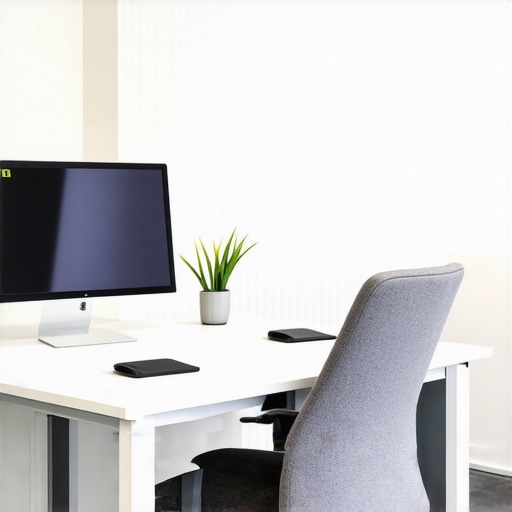
In my journey through designing effective conference and coworking spaces, I stumbled upon a profound insight: spaces don’t just host work—they shape it. A simple rearrangement or thoughtful detail can transform the dynamics of your team, sparking creativity and focus where chaos once reigned. This realization led me to embrace a more nuanced approach—balancing openness with privacy, and technology with atmosphere—to truly empower our startup’s growth.
Lessons from the Trenches Which Changed My Perspective
- Chasing Trendy Spaces Won’t Guarantee Success: I initially believed that adopting the latest design fads would elevate our startup. But I learned that aligning space with team workflows and culture delivers real results.
- Noise and Distraction Are Hidden Killers: Despite open plans seeming collaborative, I discovered that a quiet corner or soundproof zone often boosts productivity more than any open layout could.
- Flexibility Trumps Size: Movable furniture and adaptable rooms created energy and spontaneous collaboration that rigid setups couldn’t match, proving less is more when it comes to functional space.
- Technology Needs to Support, Not Distract: Upgrading to seamless tech integration, like wireless presentation tools, streamlined our meetings and saved valuable time, allowing us to focus on what matters most.
- Balance Privacy and Transparency: Frosted glass partitions and sliding doors offered the privacy needed for sensitive discussions without sacrificing the overall openness that fuels transparency and trust.
Tools and Resources That Changed My Game
- Robin Powered: Their intuitive room management system simplified scheduling and minimized conflicts—something I rely on daily for a smooth flow.
- Barco ClickShare: Wireless sharing made presentations fluid and engaging, especially in hybrid meetings, reducing tech frustrations.
- Designing for Flexibility: I found inspiration in resources like “Creative Coworking: Transforming Meeting Rooms into Collaboration Hubs,” which helped reimagine our space into a dynamic environment. Check out this guide for insights.
- Community Feedback: Participating in forums like Innovative Meeting Rooms discussions provided real-world ideas that I tailored to our needs.
Designing for Growth and Inspiration
Remember, a workspace is more than just four walls; it’s an incubator for your startup’s culture and ambitions. Invest in quiet zones, flexible layouts, and seamless tech—these will pay dividends as your team scales and innovates. Trusted research like The Future of Conference Rooms underscores that adaptability and aesthetics are key to attracting talent and clients alike.
Are You Ready to Rethink Your Space?
If you’ve ever felt that your workspace isn’t quite fueling your startup’s potential, it might be time for a refresh. Small tweaks—soundproofing, tech upgrades, privacy zones—can create a profound impact. The ultimate goal is a space that fosters focus, collaboration, and inspiration in equal measure. So, what small change will you implement today to elevate your conference or coworking space and accelerate your startup journey? Share your plans below and let’s learn together!