

I remember the moment vividly—the chaos of trying to squeeze into a crowded coworking space, papers piling up, colleagues squeezing past my makeshift workspace, and realizing I was losing more time than I cared to admit. That headache was my lightbulb moment; I needed a dedicated space for my team, not just a seat among strangers. Initially, I thought flexible desks and shared spaces would suffice, but as our startup grew, so did the frustration of distractions, noise, and missed opportunities for seamless collaboration.
The Power of a Dedicated Desk in a Growing Business
A dedicated desk isn’t just about having a place to sit—it’s about creating a dedicated zone where productivity, focus, and team cohesion thrive. When each team member has their own space, it fosters accountability, helps maintain a professional mindset, and minimizes the distractions that commonly hamper startup success. I’ve seen firsthand how a simple investment in individual workstations can accelerate project completion and improve overall morale.
Research supports this too—companies that offer dedicated workspaces report higher employee satisfaction and engagement, which are key to scaling effectively. According to a study by Deskmag, 84% of remote workers feel more productive when they have a personal workspace, yet many startups overlook this crucial aspect. For me, the mistake was waiting too long to make that leap. I believed shared environments would save costs, but in reality, they cost us in lost time and missed opportunities.
Is a Private Desk Really Worth the Investment?
This is the big question, isn’t it? Especially when early-stage budgets are tight. I’ve been there, questioning whether paying extra for individual desks is justified. My advice: don’t underestimate the value of a dedicated space for each team member, especially as your team expands. It’s a small expense with outsized benefits—think better focus, fewer interruptions, and a stronger sense of ownership over work. Curious about what to look for? Check out our guide on how to choose the perfect conference room—the principles are similar and can help inform your workspace decisions.
Have you faced the challenge of juggling shared spaces versus dedicated desks? If so, you’re not alone. As we dig deeper, I’ll share practical steps to help you determine if investing in private workspaces makes sense for your startup’s unique journey.
}nat{
Assess Your Team’s Needs with Precision
Begin by gathering data on how your team interacts with current workspaces—notice peak times of noise, collaboration patterns, and individual focus needs.
For example, I once conducted a quick survey during a team meeting, asking members about their ideal meeting environment. The feedback revealed a widespread need for quiet zones and flexible meeting areas, prompting us to consider dedicated conference rooms.
Identify the Perfect Space to Host Your Meetings
Scan Your Community and Beyond
Explore options such as coworking spaces, dedicated conference centers, or even underutilized office corners. Use tools like this guide to evaluate how different spaces match your requirements.
In my experience, visiting several locations on different days helped me spot subtle differences—natural light, background noise, and accessibility—that significantly impacted meeting quality.
Prioritize Flexibility and Tech Readiness
Ensure the chosen space supports your tech needs—reliable Wi-Fi, audio-visual equipment, and adaptable furniture. During one emergency meeting, we discovered our rented room lacked adequate tech support, leading to delays. Since then, we always checked these facilities beforehand, leveraging this checklist.
Design Your Conference Space for Collaboration
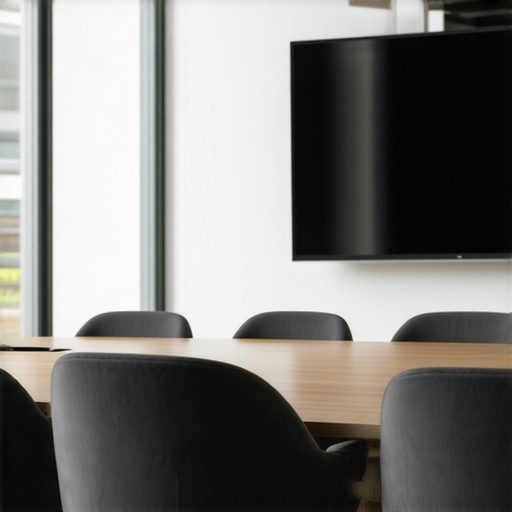
Transform conventional rooms into collaboration hubs by integrating movable whiteboards, flexible seating, and inspiring decor. A redesign of our main conference area encouraged spontaneous brainstorming sessions and boosted creativity—an insight I gained through trial and error.
Schedule with Strategic Precision
Use scheduling tools to book your conference rooms in advance, minimizing conflicts. During a critical product pitch, we underestimated lead times, resulting in last-minute scramble. Now, using shared calendars and clear protocols, we streamline our booking process—saving time and stress.
Train Your Team on Best Practices
Educate employees about room etiquette, tech usage, and the importance of punctuality. During our first few meetings, unclear guidelines led to distractions and wasted time. Establishing simple, written protocols improved efficiency immediately, as shown in this workspace management article.
,While many founders focus on choosing the right location or the latest tech gadgets for their meeting rooms, they often overlook the nuanced pitfalls that can undermine their efforts.
Why Do We Assume Bigger or Fancier Means Better?
It’s a common misconception that high-end conference rooms or sprawling coworking spaces automatically boost productivity. However, in my experience, such assumptions can lead to oversized spaces that breed distraction rather than focus. The key lies in aligning space design with your startup’s actual needs, not just aspirational ideals. According to a report by Harvard Business Review, space utility and layout significantly impact employee engagement and creativity—so don’t just opt for grandeur without purpose.
Beware the Over-Decorated Space
Many startups fall into the trap of over-personalizing their meeting rooms, thinking it fosters creativity. Yet, overly cluttered environments can distract and even cause decision fatigue. Minimalist, thoughtfully designed spaces tend to promote clarity and focus, especially during strategic discussions. In transforming meeting rooms into collaborative hubs, consider the work of creative coworking designs that emphasize simplicity and flexibility.
Advanced Mistake: Ignoring Acoustic Dynamics
One of the most overlooked aspects is acoustic design. Poor soundproofing can turn a promising meeting into a chaotic scramble for quiet. The hidden nuance here is that room acoustics directly influence communication quality, especially in remote or hybrid startups. Investing in sound-absorbing materials or strategic room layout can radically improve outcomes. A study from the Acoustical Society of America found that acoustic comfort enhances information retention and decision-making—so it’s worth paying attention to. For spatial planning tips, check this guide.
Are You Overlooking Connectivity and Flexibility?
Another advanced mistake is neglecting the technical ecosystem. A room equipped with the latest visuals and sound tech is useless if connectivity is unreliable or if furniture isn’t adaptable. Flexibility isn’t just about moveable whiteboards; it means designing spaces that can pivot from brainstorming to formal presentations with ease. The future of conference rooms is in dynamic design, where technology complements collaborative workflows seamlessly. To see how innovative setups can transform your meetings, visit this inspiring collection.
Remember, the real advantage comes from understanding these subtle, often hidden factors. The next time you consider space upgrades, think beyond surface appearances and focus on how the environment fosters true productivity and innovation. Have you ever fallen into this trap? Let me know in the comments.Maintaining an effective workspace in a startup environment requires more than just initial setup; it hinges on the right tools and consistent habits. Personally, I rely heavily on a combination of hardware and software that ensures seamless collaboration and minimizes downtime. At the core, I recommend investing in a high-quality wireless presentation system, such as the ClickShare by Barco, which allows quick connection of multiple devices to display content effortlessly during meetings, saving valuable time and reducing technical friction. Additionally, I use a dedicated transcription service like Otter.ai to take live notes, enabling team members to focus on discussion rather than note-taking, and creating a record that boosts accountability.
On the software front, I advocate for a unified communication platform—Slack integrated with project management tools like Asana or Trello. This keeps conversations contextually linked to tasks and decisions, reducing miscommunications and ensuring everyone stays aligned. These tools, combined with scheduled routine check-ins, foster accountability and help track long-term progress.
Regular maintenance of physical meeting spaces is equally vital. Keeping AV equipment calibrated, furniture maintained, and Wi-Fi robust are static steps with significant impact. Building a habit of weekly room audits, guided by a comprehensive checklist, helps catch issues before they escalate. For example, I follow the guidelines outlined in the workspace management article, which recommends checking for hardware wear, clutter, and tech functionality weekly.
Looking forward, the trend points toward smarter, more integrated environments. IoT devices that monitor room occupancy, light levels, and air quality are becoming more commonplace and affordable, promising to automatically optimize workspace conditions and elevate productivity.
**How do I maintain meeting space effectiveness over time?** My secret is adopting a routine of scheduled reviews and updates—both physically and digitally. This includes regular hardware upgrades, software audits, and space reconfiguration based on evolving team needs.
To get started, I suggest implementing a quarterly review of your main meeting spaces, focusing on both tech functionality and layout. Try upgrading to a smart scheduling system like Robin, which not only helps prevent double bookings but also provides data on room usage patterns, guiding future investments. Plus, incorporating IoT sensors—like occupancy counters—can provide insights that save costs and improve user experience. For more detailed strategies, see the comprehensive guide on maximizing productivity. I challenge you to pick just one of these tools today and integrate it into your routine; the long-term payoff will make your workspace more resilient and effective.
The Hard-Won Truths I Didn’t Expect About Meeting Rooms and Coworking
One of the biggest surprises I encountered was realizing that the physical environment profoundly influences startup culture. Creating a dedicated, well-designed space wasn’t just about aesthetics—it shaped attitudes, collaboration, and innovation in ways I hadn’t anticipated. I learned that investing time and resources into tailored meeting rooms can accelerate trust-building within teams and with clients, turning a simple space into a strategic asset.
Another insight was discovering the subtle power of acoustic design. Without proper soundproofing and layout considerations, even the best technology can be rendered useless by noise distractions. It taught me that the environment’s acoustics often reign supreme in facilitating clear communication and focus, especially in hybrid work models. This realization prompted me to prioritize sound management in every space upgrade, leading to more efficient meetings and happier team members.
Lastly, I found that flexibility is the secret ingredient to future-proofing workspace investments. Rigid spaces become quickly obsolete as teams evolve. Incorporating movable furniture, modular tech setups, and adaptable layouts allowed us to transform spaces on the fly—whether for brainstorming, client pitches, or deep work. Embracing this agility meant our startup could pivot effortlessly, maintaining productivity through constant change.