
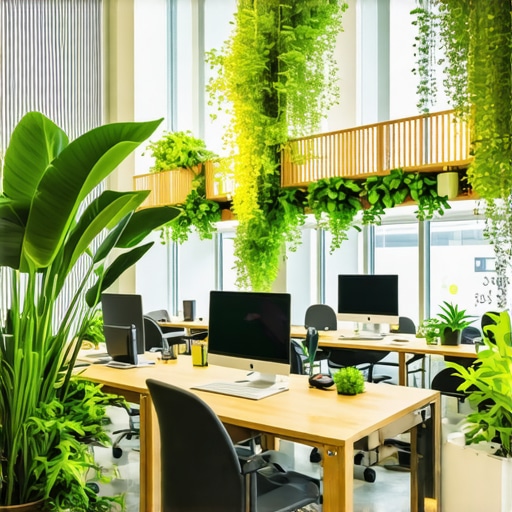
I remember walking into a coworking space years ago for a startup pitch meeting and immediately feeling the disconnect. The stale lighting, cramped rooms, and uninspiring decor didn’t just kill my mood—they made me wonder if this space was sabotaging our chances with investors. It was a lightbulb moment for me. How much does our environment really influence talent attraction and retention?
In today’s competitive market, office space isn’t just about having a roof over your head; it’s a strategic tool. A well-designed office can speak volumes about your brand, instill pride among your team, and even sway potential hires. Yet, so many startups and entrepreneurs underestimate this power. Are you unknowingly driving talent away with a subpar workspace?
Why Your Office Environment Could Be the Secret to Drawing Top Talent
The truth is, office spaces do more than host work—they shape perceptions. Studies show that 90% of employees believe that their physical work environment impacts their productivity and happiness. An inspiring, thoughtfully arranged space signals to recruits that your company values its people and invests in their success. Conversely, outdated or uninviting spaces can give the impression of neglect—and deter ambitious candidates.
Early in my journey, I made the mistake of focusing solely on budget over ambiance. I skimped on quality furniture and overlooked natural light, thinking as long as the space was functional, it was enough. But I learned the hard way that comfort and aesthetics matter. For instance, a conference room lacking adequate lighting can hinder crucial meetings, impacting your ability to close deals or innovate. To see how this impacts startups, check out our post on [the role of professional conference rooms in closing deals](https://coworkingcentral.com/the-role-of-professional-meeting-rooms-in-closing-deals).
Investing in spaces that promote collaboration and well-being doesn’t have to break the bank. There are innovative solutions, like transforming meeting rooms into vibrant collaboration hubs, which can make your office feel alive and inviting—more info on these can be found [here](https://coworkingcentral.com/creative-coworking-transforming-meeting-rooms-into-collaboration-hubs-at-0455-pm). Remember, your workspace is a reflection of your brand. It’s an underrated yet powerful tool in your talent acquisition arsenal.
If you’re wondering whether upgrading your office environment can really make a difference, just think about your current team. Are they engaged and proud? Do new candidates walk in and feel inspired or overwhelmed? These questions matter. And the good news is, small changes can yield big results.
In the following sections, I’ll share practical steps you can take to turn your office into a magnet for top talent, ensuring your space doesn’t just host your team but truly embodies your company’s vision.
Start with a Clear Layout That Promotes Collaboration
Visualize your office as a city grid—each neighborhood has a purpose. Place shared spaces like lounges and collaboration zones in central locations, making them accessible and inviting. During my first renovation attempt, I moved desks randomly, thinking it was efficient. The result? Teams found it hard to interact, slowing down projects. I then restructured the layout based on activity flow, which immediately improved communication. Use design principles to cluster related teams and create open sightlines—this boosts spontaneous interactions and innovation.
Invest in Lighting That Energizes and Inspires
Natural light acts like sunshine for productivity—think of it as your office’s vitamin D. Initially, I overlooked window placement, causing dim corners that demotivated staff. Later, I installed adjustable LED lighting and added small lamps in darker areas, which made a seismic difference. For larger rooms, consider light diffusers to eliminate glare. A well-lit space not only improves mood but also reduces errors, making meetings more effective. Check out this guide for tips on optimizing your lighting.
Upgrade Your Conference Rooms for Impact and Efficiency
Think of your conference room as a stage where your startup performs. It needs to command attention and facilitate seamless meetings. I once held a pitch in a cramped, echoey room that dampened my message. Switching to a soundproof, tech-equipped room transformed our presentations. Incorporate high-quality microphones, large screens, and reliable internet. Make sure the furniture is ergonomic—chairs should support long discussions without discomfort. For innovative ideas on setting up inspiring meeting spaces, see this resource. Also, position the table to promote face-to-face interactions, avoiding glass walls that can isolate or distract.
Add Technology That Streamlines Collaboration
Equip rooms with advanced tech—wireless screens, video conferencing tools, and interactive whiteboards are essentials. I once wasted precious time troubleshooting connectivity, losing focus and credibility. Now, I invest in plug-and-play solutions that integrate smoothly with my team’s devices, ensuring quick starts. Use collaboration software that syncs in real-time, fostering teamwork even across remote and in-office staff. Regularly review your tech setup to identify gaps. This checklist can guide your upgrades.
Personalize to Reflect Your Brand and Culture
Your workspace should tell your company’s story. Use brand colors, logo-themed decor, and message boards that highlight your mission. I painted one wall with inspirational quotes personalized for my team, which sparked pride and engagement. Create communal areas that encourage informal interactions—coffee corners, shared gamification boards, or vegetable gardens. These elements foster a sense of belonging, making talent want to stay and thrive. Think of your office as an extension of your startup’s personality, not just a functional space. For more ideas, explore this post.Many entrepreneurs assume that simply having a coworking space or well-equipped meeting rooms guarantees startup success, but this oversimplifies a complex aspect of business growth. One common misconception is that larger or more modern spaces automatically attract talent; in reality, the nuances of space design, accessibility, and community engagement play a critical role. Overlooking these details can lead to costly mistakes, such as investing heavily in trendy decor without considering functional layout or acoustics, which can hinder productivity and collaboration. Moreover, there’s a trap many fall into by relying solely on flashy amenities instead of fostering meaningful networking opportunities within the space. For example, a recent study by Harvard Business Review highlights that intentional design focusing on interaction zones significantly boosts innovation and team cohesion, yet startups often neglect this in favor of aesthetic appeal. Advanced entrepreneurs ask, “How can I optimize my coworking environment for maximum strategic advantage without falling into superficial trends?” It’s crucial to understand that a well-thought-out workspace goes beyond surface-level investment; it requires aligning physical space with your company’s culture and long-term vision. For detailed insights on creating impactful meeting environments, check out this resource. Remember, the misstep isn’t just in neglecting space design but in underestimating its psychological impact on teams and clients. Avoid the common trap of copying competitor setups without thoughtful adaptation — your workspace should be a reflection of your unique brand and ambitions. Do you often fall into this trap? Let me know in the comments.Maintaining an optimal coworking environment requires the right tools and consistent effort. I personally rely on a combination of project management software like Asana for task tracking and Slack for real-time communication. These tools help my team stay aligned, especially when managing multiple meeting rooms and collaborative projects. To ensure smooth day-to-day operations, I also monitor space usage and scheduling through integrations like Calendly, which minimizes booking conflicts and keeps our conference rooms available for essential meetings. Regularly updating and reviewing these tools is vital; for instance, setting weekly check-ins to assess what’s working or not helps us adapt quickly. Looking ahead, I predict AI-driven scheduling and space optimization tools will become more prevalent, further reducing administrative overhead and enhancing productivity.
Over the years, I’ve learned that the secret to attracting and retaining exceptional talent often lies in the environment you create. Small touches—like thoughtful layout, inspiring decor, and advanced tech—can elevate your coworking space from merely functional to irresistibly inviting. Investing in your workspace is an investment in your company’s future. When your team feels proud and inspired by their surroundings, it translates into higher productivity, better collaboration, and a stronger attraction for ambitious newcomers. Remember, your office should reflect not just your brand but your vision for innovation and community. Take action now, review your space, and consider how subtle improvements could make your coworking environment a true talent magnet—making every square foot work for your startup’s growth.